
Quick Answer — how to use this product finder
This page is a sourcing index, not a quotation tool. It groups HERBSEA’s category hubs, product pages and documentation templates into one decision path for bulk ingredient buyers. The workflow is: (1) define the application and target specification in a sourcing file, (2) open the matching category hub for early screening, (3) move to the product page that matches the brief, (4) request a representative COA and sample, and (5) send a structured RFQ covering MOQ, packing and destination-market documents. Start below with the buyer data sheet, then use the category tables to find the product page for your brief.
How to Use This Bulk Ingredient Product Finder in Five Steps
Most sourcing delays come from an incomplete brief, not from a shortage of suppliers. The product finder is only useful when each search starts from the same five inputs.
- Write the application down before searching. Finished format decides everything downstream: a beverage powder project needs a different grade than a capsule blend, and a dry mix needs different solubility than an RTD. Record the finished product format, target physical properties (particle size, color, solubility, sensory direction), and the destination market.
- Open the category hub that matches the ingredient family. HERBSEA organizes sourcing into three hubs: Plant Extract Supplier hub, Instant Tea Powder Supplier hub and Fruit Powder Supplier hub. Category hubs are built for comparing related options and sourcing paths before you commit to a single grade.
- Move from the hub to the product page. Once the ingredient is defined, open the matching product page to review assay method, COA fields, sample quantity and MOQ expectations. Each product page in the index below states its sourcing focus so you can shortlist without opening every tab.
- Request a sample lot with a matching COA. A sample is only useful when it ships with a representative COA and a specification sheet. Use the Bulk Ingredient Sample Request Template to standardize what you ask for.
- Send one structured RFQ. Use the Food Ingredient RFQ Template so supplier replies can be compared on the same fields: grade, assay, packing, MOQ, lead time and destination-market documents. Keep everything in one sourcing file so the approval record is repeatable.
Before You Search: The Buyer Data Sheet Every Sourcing Brief Needs
A supplier can only match the right grade when the request includes the right data. Build a one-page sourcing file with these fields before contacting any supplier:
| Field | What to record | Why it matters |
|---|---|---|
| Application | Beverage, dry mix, capsule, bakery, confectionery, RTD | Determines grade, solubility and particle-size requirements |
| Target specification | Assay / marker compound, assay method (HPLC or UV), mesh or particle size | A spec figure is meaningless without its method |
| COA requirements | Fields to be tested, acceptance limits, representative lot | Lets QA screen the file before sample approval |
| Sample quantity | Grams or kilograms needed for the application test | Confirms the sample tier and turnaround |
| MOQ expectation | First-order volume in kg or MT | Filters suppliers before quotation |
| Packing | Drum, bag, box, weight per unit, labelling | Affects cost, shelf life and shipping |
| Destination market | EU, US, UK, AU, or other | Determines export documents and any residue limits to review |
| Timeline | Sample date, trial date, bulk shipment date | Sets lead-time expectations in the RFQ |
Buyers who fill this sheet in once can reuse it across every product page in the index, which is what the finder is designed to support.
Start by Category: Tea Powders, Fruit Powders and Plant Extracts
The finder is grouped into three sourcing families. Use this table to pick the right starting hub, then open the product page listed under each family below.
| Ingredient family | Best starting point | What to review on the product page |
|---|---|---|
| Tea powder and green tea extract | Instant Tea Powder Supplier hub | Powder behavior, solubility, assay method, sample lot, COA |
| Fruit powder | Fruit Powder Supplier hub | Color, flavor, solubility, COA, sample, packing |
| Plant / botanical extract | Plant Extract Supplier hub | Specification, assay, COA, sample, RFQ |
For RFQ and export-document preparation, the Ingredient Sourcing Guide Index groups the sample, RFQ and export templates you need before contacting HERBSEA.
Category Hub vs Product Page: Where to Look First
A common mistake is regarding a hub and a product page as interchangeable. They serve different stages of the sourcing funnel, and knowing when to switch saves a round trip.
| Dimension | Category hub | Product page |
|---|---|---|
| Main use | Compare related ingredient options and sourcing paths | Prepare product-specific sample, COA and RFQ details |
| Best fit | Early screening and category navigation | Defined ingredient target and quotation request |
| Limit | Needs product selection before sample approval | Works better when buyer inputs are already clear |
| Output | A shortlist of product pages | A sample / COA / quotation request |
Practical rule: if you can still name three possible ingredients, stay on the hub. If you can name the ingredient and the assay, go to the product page.
The 6-Point Supplier Qualification Checklist
Before a new ingredient moves from sample to purchase order, most sourcing and QA teams run the same six checks. Apply them to any product page you shortlist from this finder:
- Written specification — identity, assay or purity, particle size or mesh, solubility and acceptance limits. A name and a price are not a specification.
- Per-lot COA — the COA must match the sample lot you receive and reference the assay method.
- Documentation set — specification sheet, allergen statement, non-GMO and origin declarations, and stability data on request.
- Valid certifications — facility and quality certificates such as HACCP, ISO 22000, FSSC 22000, HALAL, KOSHER or Organic, with a holder and expiry you can confirm. Note which certificates are facility-held and which are product-specific.
- Traceability — the supplier should be able to trace a lot back to manufacturing and connect the COA to the exact lot shipped.
- Commercial terms — clear MOQ, lead time, packing options and a sample-to-bulk path, plus a responsive technical contact.
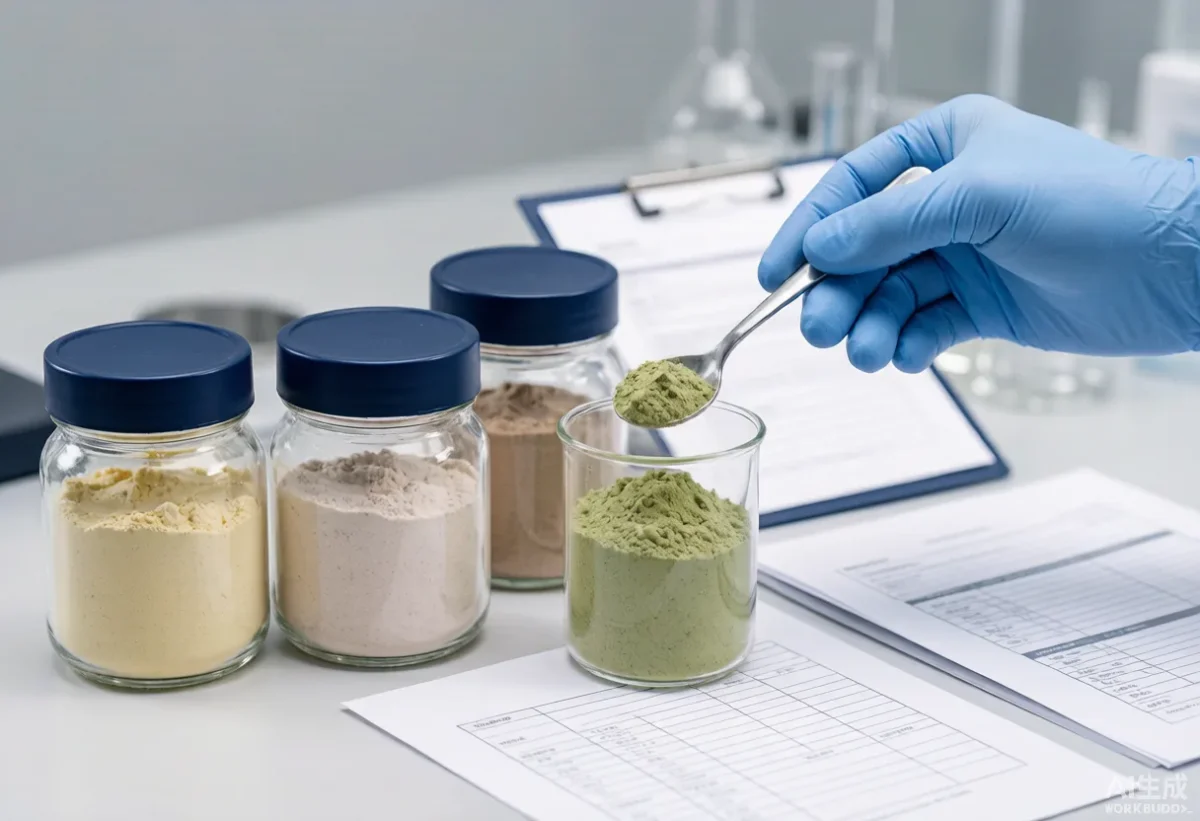
This checklist mirrors the qualification workflow in the Ingredient Supplier Audit Checklist, which is structured for sourcing, QA and export teams.
COA, Sample, MOQ and Packing: the Commercial Terms That Decide
Most bulk ingredient negotiations reduce to four variables. Understanding how they interact avoids misalignment at the RFQ stage.
| Term | What it covers | Typical buyer action |
|---|---|---|
| COA (Certificate of Analysis) | Per-lot test results: assay, heavy metals, microbiology, residual solvents where applicable | Verify the COA against the specification and the sample lot |
| Sample | Stock sample, custom sample or pre-production sample, each with different cost and turnaround | State sample quantity and application test plan in the request |
| MOQ (minimum order quantity) | First-order volume in kg or MT, often grade-dependent | Confirm before quotation so pricing reflects the right tier |
| Packing | Drum, bag, box, weight per unit, inner bag sealing, labelling | Specify packing in the RFQ — it drives cost and shelf life |
For sample requests, keep the application test notes attached to the request. Sample behavior under your own mixing, dosing and standing conditions is what converts a sample into a bulk order — suppliers typically see only 20–30% of sample requests convert to repeat orders, and the ones that convert are almost always documented.
Bulk Ingredient Market Data at a Glance
Category growth explains why buyers are adding botanical extracts, tea powders and fruit powders to sourcing pipelines. The figures below are directional market context, not sourcing advice.
| Category | Market size | Forecast | Growth rate | Source / year |
|---|---|---|---|---|
| Global herbal / botanical extract market | US$31.3 billion (2024) | US$45.1 billion (2030) | 6.3% CAGR | Global Industry Analysts, 2025 |
| China botanical extract market | US$5.2 billion est. (2024) | US$9.2 billion (2030) | 9.7% CAGR | Global Industry Analysts, 2025 |
| Global instant tea powder market | US$1.8–1.9 billion (2024) | US$2.8–2.9 billion (2032–33) | ~4.8–5.4% CAGR | USD Analytics / DataHorizon, 2025 |
| Asia Pacific share of instant tea powder | ~45% (2024) | — | Region leads category | DataHorizon, 2025 |
| Fruit-derived botanical extracts | US$3 billion (2024) | US$5.0 billion (2030) | — | DataString Consulting, 2025 |
Two implications for sourcing teams: the strongest category growth is in Asia-based botanical extract supply, which aligns with HERBSEA’s product range; and tea-powder demand is concentrated in beverage and RTD applications, which is why the Instant Tea Powder Supplier hub prioritizes solubility and powder-behavior review.
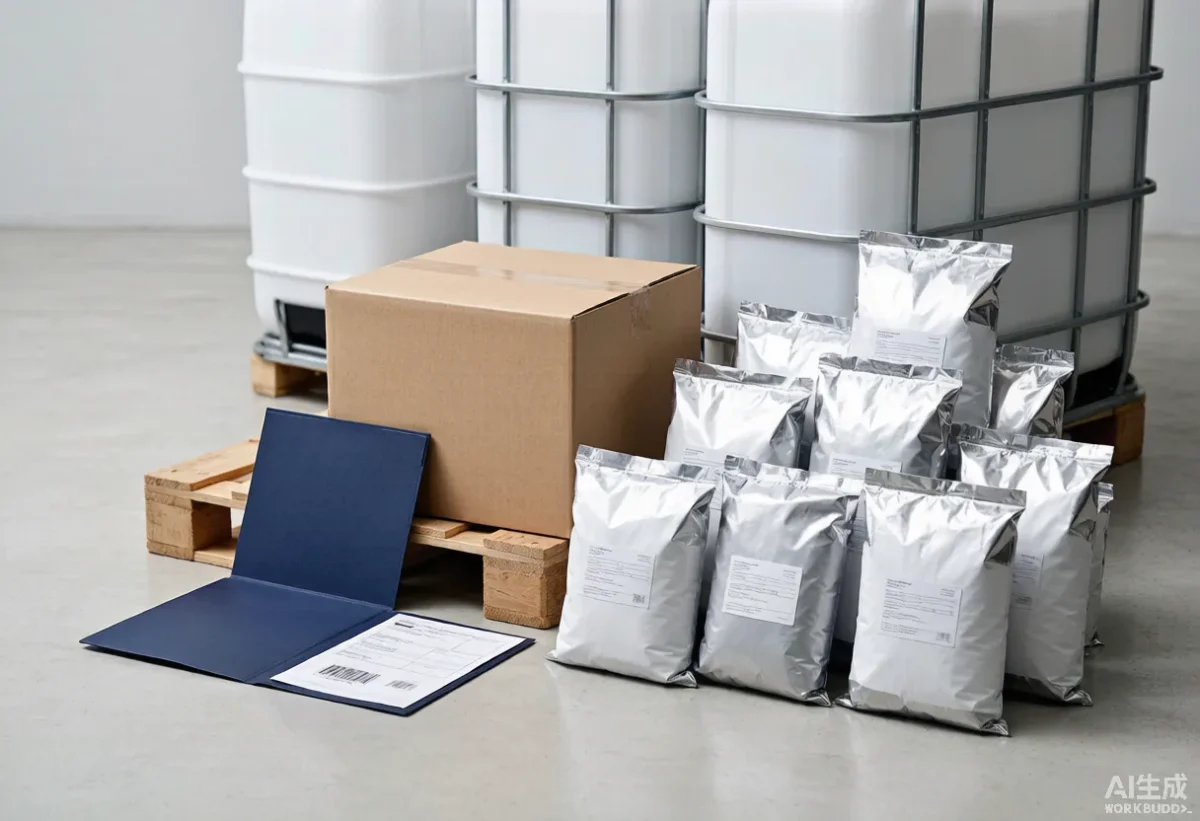
Full Product Index by Category
Use the grouped index below to jump straight to the product page matching your brief.
Tea Powder and Green Tea Extract Products
| Page | Type | Sourcing focus |
|---|---|---|
| Instant Tea Powder Supplier hub | Category hub | Black tea, green tea, matcha and tea extract sourcing paths |
| Instant Black Tea Powder | Tea powder | Bulk black tea powder, COA, sample, MOQ and beverage applications |
| Instant Green Tea Powder | Tea powder | Bulk green tea powder, solubility, samples and beverage matrix review |
| Bulk Matcha Powder Supplier | Tea powder | Matcha grade, color, particle size, COA and sample review |
| Green Tea Extract | Tea extract | COA, specification sheet, sample lot and documentation review |
| L-Theanine Green Tea Extract | Tea extract | HPLC assay, COA, sample and specification review |
| EGCG 98% | Tea extract | High-assay EGCG powder, COA, sample and MOQ review |
Fruit Powder Products
| Page | Type | Sourcing focus |
|---|---|---|
| Fruit Powder Supplier hub | Category hub | Fruit powder sourcing by color, flavor, COA, samples and packing |
| Strawberry Powder | Fruit powder | Color, flavor, COA, sample and MOQ review |
| Raspberry Powder | Fruit powder | Color, flavor, COA, sample and packing review |
| Kiwi Fruit Powder | Fruit powder | Solubility, COA, samples and MOQ review |
| Pitaya Powder | Fruit powder | Dragon fruit powder, color, COA and sample review |
| Passion Fruit Powder | Fruit powder | Flavor, color, COA, sample and RFQ review |
| Guava Fruit Powder | Fruit powder | Flavor, color, COA and packing review |
| Acerola Cherry Powder | Fruit powder | Vitamin C target, COA, sample and MOQ review |
| Pineapple Fruit Powder | Fruit powder | Flavor, solubility, COA, sample and RFQ review |
| Mango Powder | Fruit powder | Flavor, color, COA, sample and packing review |
| Noni Fruit Powder | Fruit powder | Carrier status, flavor, COA, sample and MOQ review |
Plant Extract Products
| Page | Type | Sourcing focus |
|---|---|---|
| Plant Extract Supplier hub | Category hub | Botanical extract sourcing by specification, COA, sample and RFQ |
| Hovenia Dulcis Extract | Plant extract | Supplier, COA, sample and RFQ review |
| Olive Leaf Extract | Plant extract | Specification, COA, sample and MOQ review |
| Quercetin Powder | Plant extract | Bulk powder, COA, sample and assay review |
| Milk Thistle Extract | Plant extract | Assay, COA, sample and packing review |
| Turmeric Extract Curcumin 95% | Plant extract | Curcumin assay, COA, sample and MOQ review |
| Polygonum Cuspidatum Resveratrol | Plant extract | HPLC assay, COA, sample and specification review |
| Green Coffee Bean Extract | Plant extract | Specification, COA, sample and bulk RFQ review |
| Orange Peel Extract | Plant extract | COA, sample, assay method and packing review |
| Organic Cranberry Extract | Plant extract | Organic document, COA, sample and RFQ review |
| Black Garlic Extract | Plant extract | Specification, sample, COA and MOQ review |
| Astragalus Extract | Plant extract | Extract ratio, COA, sample and packing review |
| Lemon Balm Extract | Plant extract | Specification, COA, sample and supplier review |
| Blue Spirulina Extract | Plant extract | Color, COA, sample and application review |
| Saffron Extract | Plant extract | Specification, COA, sample and MOQ review |
| Shikimic Acid Powder | Plant extract | Assay, COA, sample and specification review |
| Chrysanthemum Extract | Plant extract | Specification, COA, sample and packing review |
| Zizyphus Jujuba Extract | Plant extract | Supplier, COA, sample and MOQ review |
| Bamboo Leaf Extract | Plant extract | COA, sample, specification and packing review |
| Magnolia Bark Extract | Plant extract | Assay method, COA, sample and RFQ review |
| Honeysuckle Flower Extract | Plant extract | Supplier, COA, sample and specification review |
| Soybean Seed Extract | Plant extract | COA, sample, assay and packing review |
| Ginkgo Biloba Leaf Extract | Plant extract | Specification, COA, sample and RFQ review |
| Marigold Flower Extract | Plant extract | Assay, COA, sample and MOQ review |
| Ferulic Acid 99% | Plant extract | Assay, COA, sample and specification review |
| Rutin 95% | Plant extract | Assay, COA, sample and bulk RFQ review |
| Inulin Powder | Plant extract | Powder specification, COA, sample and packing review |
| Chlorogenic Acid 10%-98% HPLC | Plant extract | HPLC assay, COA, sample and specification review |
| Goji Berry Extract | Plant extract | Specification, COA, sample and MOQ review |
| Sea Buckthorn Fruit Extract | Plant extract | COA, sample, specification and packing review |
| Broccoli Seed Extract | Plant extract | Specification, COA, sample and supplier review |
Plant Protein, Mushroom and Spice Powders
For plant protein, mushroom and spice powder projects, compare these product pages before requesting samples, COA files or bulk quotations:
- Plant protein — Pea Protein, Soy Protein Powder, Mung Bean Protein, Chickpea Protein Powder, Broad Bean Protein Powder
- Mushroom — Shiitake Mushroom Extract, Maitake Mushroom Extract, Cordyceps Powder, Agrocybe Aegerita Extract, Organic Reishi Mushroom Extract
- Spice powders — Black Pepper Powder, Cumin Powder, Red Chili Powder, White Pepper Powder, Turmeric Powder, Star Anise Powder, Fennel Powder, Ginger Powder, Galangal Powder, Parsley Powder, Celery Leaf Powder
- Organic and featured botanicals — Organic Cranberry Extract, Organic Beet Root Powder, Organic Barley Grass Powder, Organic Wheat Grass Juice Powder, Organic Black Currant Extract, Organic Turmeric Extract, Pumpkin Seed Extract, Walnut Extract, Organic Valerian Extract, Organic Gynostemma Extract
- Fruit and vegetable powders — Mango Powder, Papaya SD Powder, Noni Fruit Powder, Pineapple Fruit Powder, Guava Fruit Powder, Banana Powder, Carrot Powder, Kale Powder, Spinach Powder, Spirulina Powder, Yam Powder
- Ginseng and botanical extracts — Black Ginseng Extract, Panax Ginseng Extract, Panax Ginseng Leaf Extract, Siberian Ginseng Extract, Codonopsis Extract, Black Garlic Extract, Cistanche Tubulosa Extract, Ginsenoside Rg3
- Functional ingredients — Shikimic Acid Powder, Quercetin Powder, Ellagic Acid 95%, Echinacea Extract, Sakura Flower Extract, Andrographis Extract, Ashwagandha Extract, Skullcap Extract, Salvia Miltiorrhiza Extract, Coleus Forskohlii Extract
RFQ and Sample Templates
Once the product page is shortlisted, use these templates to standardize the request and keep supplier replies comparable:
- Ingredient Sourcing Guide Index — grouped supplier, COA, sample, RFQ and export resources
- Bulk Ingredient Sample Request Template — sample quantity, specification, COA and MOQ fields
- Food Ingredient RFQ Template — supplier comparison, packing and quotation fields
- Contact HERBSEA — send product, sample, COA and RFQ requirements
FAQ
Start with the category that matches the project, open the product page, then use the linked RFQ and sample templates to prepare specification, COA, MOQ, packing and destination details. Keep all of it in one sourcing file so the approval record is repeatable.
No. It is a navigation and sourcing index. Final sample and quotation details should be sent through the relevant product page or the HERBSEA contact page.
Prepare a target specification, representative COA needs, sample quantity, packing request, MOQ expectation, destination market and any export documentation checklist. The buyer data sheet in this guide lists the full field set.
A category hub is for early screening and comparing related options. A product page is for preparing product-specific sample, COA and RFQ details. Move from hub to product page once the ingredient and assay are defined.
Test the sample under your own consistent conditions: the same inclusion level, formula base, mixing condition and standing time used across suppliers. Record dry powder appearance, flow, dispersion, sensory impact and color impact, then connect the results to the COA lot.
Look for valid facility and quality certificates such as HACCP, ISO 22000, FSSC 22000, HALAL, KOSHER or Organic, plus a per-lot COA, specification sheet and allergen statement. Confirm the holder and expiry, and note which certificates are facility-held versus product-specific.
Summary
If you need to compare HERBSEA bulk ingredient pages quickly, start from the category hub, choose the product page, then use the RFQ and sample templates to prepare specification, COA, MOQ, packing and destination details. The finder is most effective when every search starts from a complete buyer data sheet and ends with one structured RFQ.
Request product samples, COA and quotation support from HERBSEA
Data Sources
Market figures in this guide are cited from public industry research published 2025: Global Industry Analysts (global herbal extract market, 2024–2030), USD Analytics and DataHorizon Research (instant tea powder market, 2024–2033), and DataString Consulting (fruit-derived botanical extracts, 2024–2030). Sample-to-order conversion ranges reflect typical B2B ingredient sourcing benchmarks. Verify category figures against the latest published reports before using them in business cases.