Range
5 featured ingredients — botanical extracts, fruit powders and tea-derived powders.
B2B Ingredient Sourcing
Featured Botanical Ingredients for B2B Sourcing
Showing all 5 results
Sourcing Guide
5 featured ingredients — botanical extracts, fruit powders and tea-derived powders.
batch-specific COA, specification sheet, packing details and export document support.
project-fit sample with a matching document set before bulk commitment.
confirmed per grade and destination market; stock grades ship faster than project-based grades.
standard grades 2–4 weeks; custom specifications 8–12 weeks from confirmed spec.
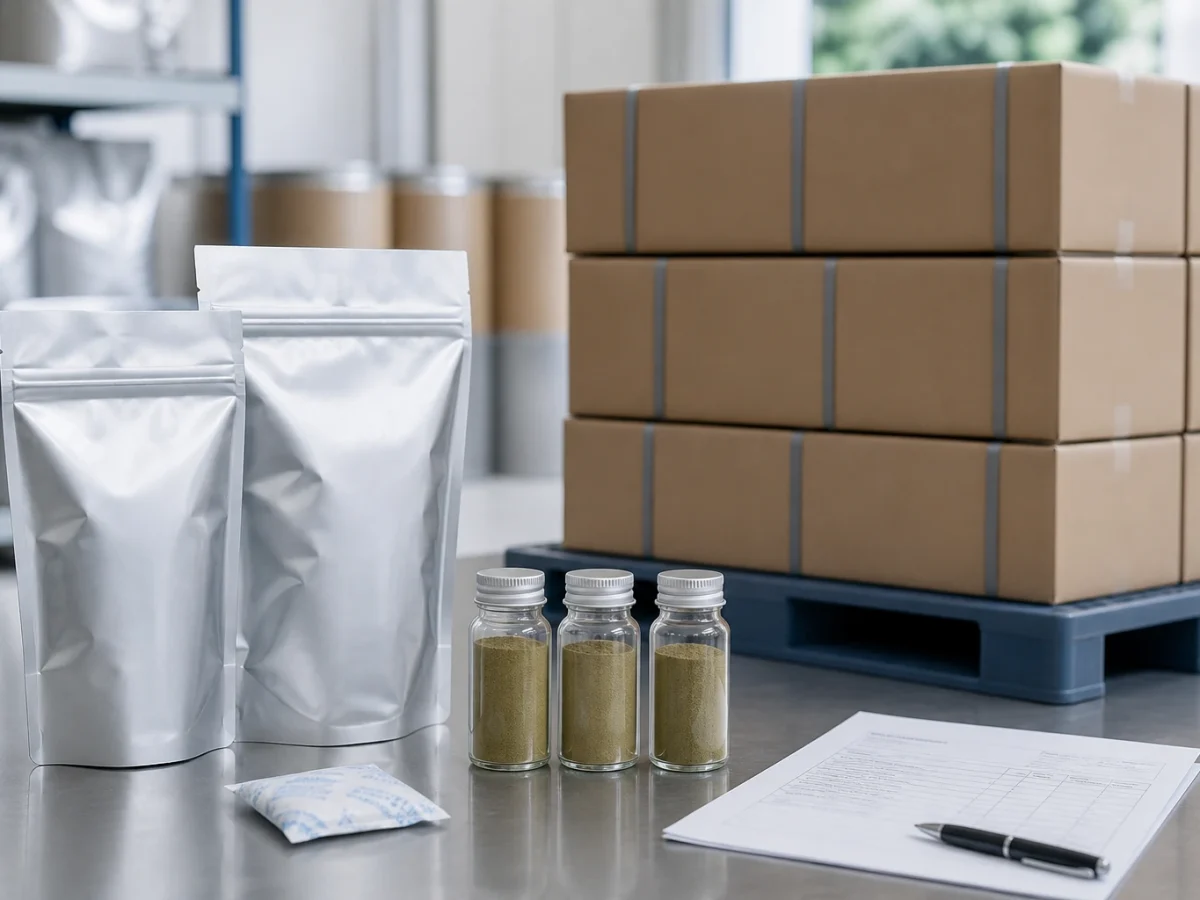
sealed food-grade drums or bags with moisture protection; custom packing on request.
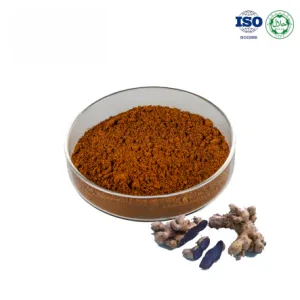
Organic Black Ginger Extract: standardized organic black ginger for supplement and beverage formulation projects.
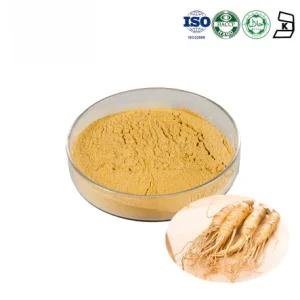
CLEAN-GINSENG: clean-process ginseng ingredient with specification and COA support for R&D review.
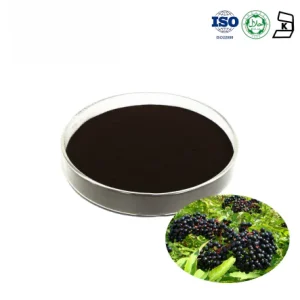
Elderberry (Sambucus) Fruit Extract: fruit-derived extract for beverage, food and supplement application briefs.
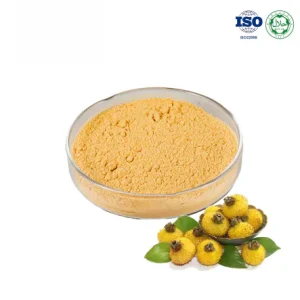
Rosa Roxburghii Fruit Extract: specialty fruit extract for powder blends and functional food projects.
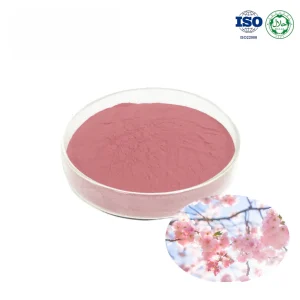
Sakura Flower Extract: floral botanical extract with sample and specification review for cosmetic and food development.
Global demand for botanical ingredients continues to grow: the worldwide botanical extracts market was estimated at about USD 15.5 billion in 2025 and is projected to reach roughly USD 26.5 billion by 2032, a CAGR near 8% (market research reports, 2026). China supplies a significant share of global plant-extract trade, and B2B buyers increasingly source standardized, documented ingredients rather than commodity materials. Three procurement trends shape category shortlists like this one: (1) buyers compare specification and assay method, not just product name; (2) document sets — batch COA, specification sheet, packing list, export documents — are decision inputs before price; (3) sample-to-bulk consistency is the core risk check. This category page is built around those three checks: identity, specification and commercial fit.
Product identity: confirm botanical source, plant part and processing format.
Specification target: confirm assay, extract ratio, marker range, mesh size, color and carrier status.
Application fit: share capsule, tablet, beverage, powder blend, food, pet supplement or private label use.
Quality documents: request COA, specification sheet, available test data, packing details and export support.
Commercial planning: confirm MOQ, lead time, packaging, shipment terms and destination country.
Beverage projects may need solubility, color, taste and process fit. Capsule and tablet projects may need assay method, flowability and batch COA. Distributors may need packing details, document support and stable repeat supply. Send the product name and finished-product concept on the first inquiry; if you already have a specification, include the target range and assay method.
Every featured ingredient ships with a batch-specific COA covering identity, assay, heavy metals, microbiology and residual-solvent checks where applicable. Specification sheets define the agreed target range, and packing details document moisture protection for export. Buyers can request available third-party test data, non-GMO or organic statements and export document support (certificate of origin, packing list, and market-specific files) before purchase approval. Ask for a sample COA and specification sheet during the RFQ stage so the quotation, approved sample and bulk shipment correspond to the same specification.
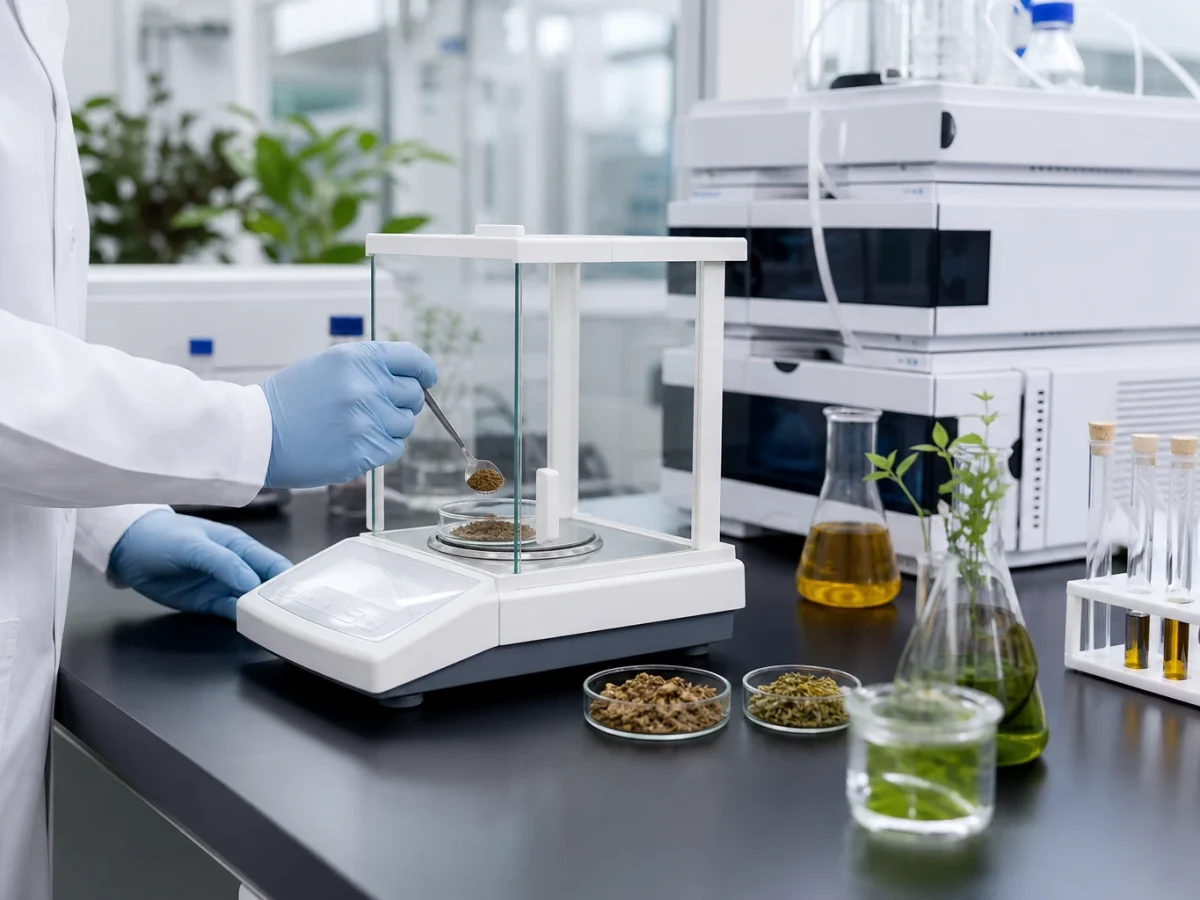
Ask if the item is regular stock or a project-based grade. Check how recent the sample batch is and whether the bulk batch can follow the same specification. Review which documents can be shared before purchase approval. Share annual volume and destination market early when the project may scale, so MOQ, lead time and packing can be planned against real demand. Confirm certification support (ISO/GMP/HACCP documentation on request, organic or non-GMO statements where available) and a clear sample-to-bulk path so the same material is re-qualified when you scale.
Start with the product name, finished-product format and destination market. HERBSEA will confirm specification points, sample availability, document set, MOQ, lead time and packing for the matching grade. For the fastest response, include the target assay range, application and annual volume estimate.
It is a shortlist of selected HERBSEA botanical ingredients — botanical extracts, fruit powders and specialty powders — with links to product pages, so sourcing, R&D and quality teams can compare specification, application fit, sample and document needs before RFQ.
Compare botanical identity, specification target (assay, extract ratio, marker range, particle size), application fit, quality documents (COA, specification sheet, test data) and commercial terms (MOQ, lead time, packing, destination market) before reviewing price.
A batch-specific COA, specification sheet and packing details, plus export document support such as certificate of origin and packing list. Third-party test data, non-GMO and organic statements are available on request for qualifying projects.
Define the finished-product format, request the matching sample and document set, test the sample in the intended application, record color, odor, taste, flowability and solubility, then confirm bulk specification, packing, lead time and quote before ordering.
MOQ is confirmed per grade and destination market. Standard stock grades typically ship within 2–4 weeks; project-based or custom specifications usually run 8–12 weeks from confirmed specification.
Send the product name, finished-product format, target specification if available, destination market and estimated volume. Include the assay range and application so HERBSEA can match the right grade and document set.
