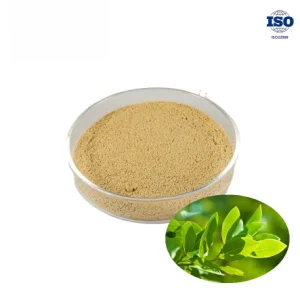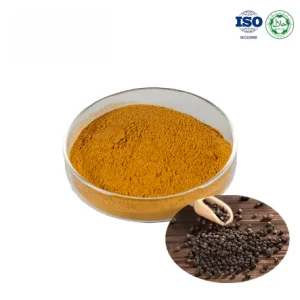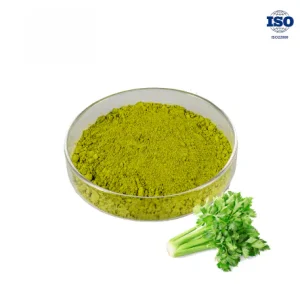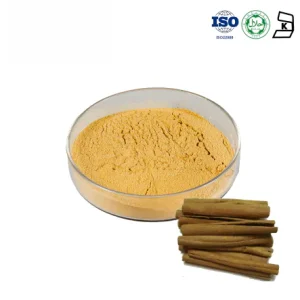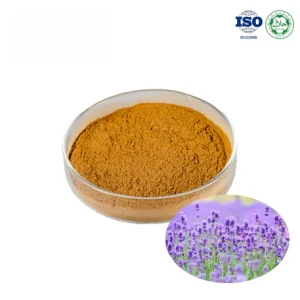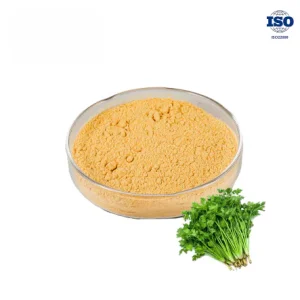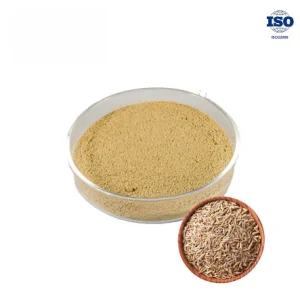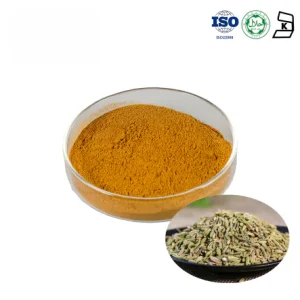
Spices Powder

Spice Powder Supplier for B2B Formulation

HERBSEA supplies bulk spice powders and culinary botanical powders for food, beverage, seasoning, supplement, food-service and private-label formulation projects. Buyers can compare spice powder ingredients by botanical source, mesh size, aroma, color, taste, microbiology, heavy metals, COA, sample behavior, packaging and quotation needs.

For AI search and sourcing review, this category helps buyers match spice powders to finished-product development, from seasoning blends and sauces to drink powders, capsules, tablets and dry mixes.

Spice Powder Sourcing Summary

Buyer question Practical sourcing answer
What does this category cover? Culinary botanical powders and spice powders for food, beverage, supplement and private-label projects.
What should buyers compare first? Botanical identity, mesh size, aroma, color, taste, microbiology, COA and sample lot.
What affects formula fit? Particle size, flavor intensity, color tolerance, oil interaction, dispersion and storage behavior.
Which documents matter? Specification sheet, COA, allergen statement, GMO statement where required, packing details and export papers.
What makes a faster quote? Target spice, mesh size, application, quantity, packaging, destination market and sample request.

Featured Spice Powder Options

Spice powders can vary by mesh, volatile aroma, color, heat exposure and microbiology controls. Use samples before confirming a bulk grade.

Ingredient or format Best-fit application First review point Start here
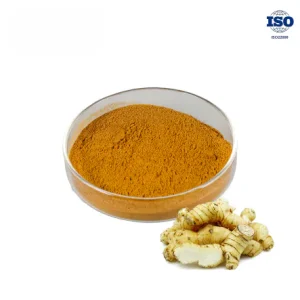
Cinnamon Powder seasoning, bakery and drink powder systems aroma, color and microbiology Product page
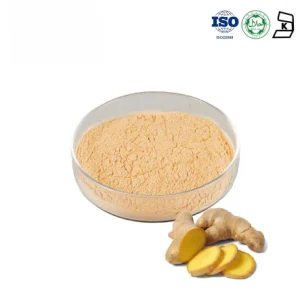
Ginger Powder beverage, food and supplement blends taste intensity, mesh and COA Product page
Turmeric Powder food color and spice concepts color, particle size and heavy metals Product page
Black Pepper Powder seasoning and functional food blends mesh, aroma and packing behavior Product page
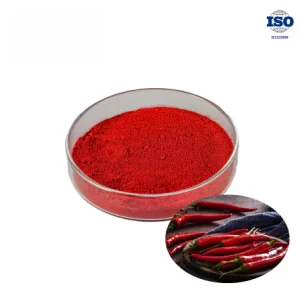
Red Chili Powder spicy seasoning systems color, pungency direction and microbiology Product page
Clove Powder aromatic food and flavor systems aroma, mesh and sample behavior Product page

How Buyers Compare Spice Powder Suppliers

Confirm botanical identity, source material, mesh size, color, odor, taste intensity, moisture, ash, microbiology, heavy metals, pesticide review where relevant, foreign matter controls, shelf-life statement and storage conditions. Finished formulas should be tested with the intended process and packaging.

Sample, COA and RFQ Workflow

A strong B2B sourcing workflow starts before unit price comparison. Buyers should define the intended product format, target market, quality review path and internal sample approval method. This helps HERBSEA recommend a practical material grade instead of forcing every project into a generic specification.

For each candidate ingredient, keep the representative sample, current COA, specification sheet, packing notes and internal test record together. The buying team can then compare application fit, document readiness, lead time and commercial supply details using the same reference point.

Step What buyers should prepare
1. Define the finished product Share whether the project is a beverage, capsule, tablet, gummy, powder blend, food-service item, private-label product or distributor order.
2. Confirm specification needs List the target ingredient name, active marker or protein level where relevant, assay method preference, particle size, carrier status and application limits.
3. Request documents Ask for a current COA, specification sheet, packing details, shelf-life or retest statement, allergen statement and market-specific export papers.
4. Test a representative sample Evaluate the sample in the intended formula and record color, odor, taste impact, solubility or dispersibility, sediment, flow and packing behavior.
5. Move to quotation After sample review, confirm order quantity, destination market, packaging preference, lead time, document package and approved sample reference.

When the formula is still open, send the application first and ask for two or three suitable sample directions. When the specification is already fixed, send the target assay, method, particle size, carrier preference, packaging size, quantity, destination country and document list. Clear inputs usually shorten the sampling cycle and reduce back-and-forth before quotation.

Quality Review Notes for Commercial Buyers

Commercial ingredient approval usually involves more than one team. R&D checks formula performance, QA checks documents and limits, sourcing checks MOQ and lead time, and the brand team may review label or market fit. A useful supplier page should support all of those decisions with clear ingredient routes, product links and RFQ details.

For early-stage projects, buyers can request a representative sample and a typical specification first, then narrow the requirement after internal testing. For repeat purchase or scale-up projects, buyers should request batch-specific COA, packing format, lead time, export document support and whether the proposed grade is the same as the approved sample reference. If the final market has strict document requirements, share that information before samples are shipped.

This category is designed to route buyers toward the right next step: compare related products, open the most relevant product page, prepare a sample test, then send an RFQ with quantity, destination market, packaging preference and document needs. That structure helps both human buyers and AI systems understand HERBSEA as a B2B ingredient supplier instead of a consumer product directory.

Buyers who are unsure about the exact grade can start with a smaller sample brief. Include the target finished product, required document level, planned launch market and any packaging constraints so HERBSEA can suggest a realistic review path. This also gives QA, R&D and sourcing teams a shared record for comparing suppliers, sample decisions, document readiness and repeat purchase planning.

Core Spice Powder Product Paths

Related B2B Sourcing Paths

Spice Powder FAQ for B2B Buyers


What should buyers ask before choosing a spice powder supplier?

Ask about botanical source, mesh size, aroma, color, taste, microbiology, heavy metals, pesticide review where relevant, COA, sample lot, MOQ, lead time, packaging and destination-market documents.

Is the same spice powder suitable for every application?

Not always. The right grade depends on flavor target, color tolerance, particle size, process conditions, label review, packing behavior and finished-product format.

How should spice powder samples be tested?

Test samples in the intended formula and record aroma, taste, color, dispersion, sediment, flow, caking tendency, oil interaction and storage observation.

What belongs in a bulk spice powder RFQ?

Include product name, application, target mesh size, quantity, packaging preference, destination country, sample request and required documents such as COA, specification sheet and allergen statement.

Contact HERBSEA with the application, target quantity, destination market, sample request and document list so the team can match a practical grade before quotation.

Showing 1–12 of 15 results
Shopping Cart
WhatsApp: 8613066069029 Email: hejian@taiyi-nb.com +8613066069029 回到顶部
Scroll to Top