
Tea Extract Powder Supplier Guide for Beverage and Supplement Brands
A tea extract powder supplier quote is not comparable until assay, COA, sample use and MOQ are defined.
For B2B buyers, a tea extract powder supplier should be evaluated by the target application, active marker direction, assay method, COA package, sample performance, MOQ, packing and export document readiness. The same search phrase may point to instant tea powder, green tea extract, EGCG, L-theanine extract or a custom tea-derived ingredient, so the first sourcing task is to define the material scope.
HERBSEA supplies tea-derived ingredients for supplement, functional food and beverage formulation projects. Buyers can compare the wider Instant Tea Powder category, the Green Tea Extract product page and related technical guides before sending an RFQ.
Buyer Needs
Start by deciding whether the project needs tea flavor, a standardized marker or both. This single decision changes the supplier shortlist, the COA review and the sample test method.
For beverage projects, buyers usually care about solubility, color, taste profile, clarity, sediment and process conditions. For supplement or functional food projects, buyers often care more about assay target, HPLC or UV method, particle size, carrier status, microbiology, heavy metals and batch documentation.
Before contacting suppliers, prepare these inputs:
- Target application: RTD beverage, dry mix, capsule, tablet, gummy, sachet or food system
- Tea direction: green tea extract, black tea extract, EGCG, L-theanine or general tea extract powder
- Specification target: assay, extract ratio, marker compound, particle size and carrier preference
- Sample plan: sample quantity, test formula, test method and review timeline
- Commercial scope: MOQ, annual forecast, packing size, destination market and lead time
If the internal brief is still broad, send the application and the desired document set first. Then the supplier can recommend whether a flavor-led tea powder, a standardized extract or a narrower ingredient page is the right starting point.
Screening Criteria
A strong tea extract powder supplier should help the buyer compare technical fit before commercial fit. Therefore, each supplier should answer the same specification and document questions.
| Screening item | Buyer question | What to request |
|---|---|---|
| Identity | Is this instant tea powder, tea extract powder or a standardized active ingredient? | Product name, botanical source and process description |
| Assay | Which marker or specification target defines the material? | Assay range, method and representative COA |
| COA | Does the COA match the buyer’s internal specification? | Batch COA with appearance, assay, moisture, microbiology and heavy metals |
| Sample | Can the sample be tested under the final application conditions? | Sample quantity, batch reference and recommended handling notes |
| MOQ | Does the supplier support pilot, launch and repeat-order volumes? | MOQ, lead time, stock status and packing options |
| RFQ | Can the quote be compared on the same basis as other suppliers? | Incoterm, destination market, document list and commercial quantity |
Instant Tea Powder vs. Tea Extract Powder vs. Standardized Tea Ingredient
| Dimension | Instant tea powder | Tea extract powder | Standardized tea ingredient |
|---|---|---|---|
| Main sourcing intent | Beverage flavor, color and dispersion | Tea-derived extract for formulation use | Specific marker target such as EGCG or L-theanine |
| Typical buyer focus | Solubility, taste profile, sediment and color | Extract ratio, assay, carrier and document package | Assay method, purity target and batch consistency |
| Best application fit | RTD tea, milk tea, iced tea and dry drink mixes | Functional food, powder blends and supplement formats | Specification-led capsules, tablets, sachets or concept formulas |
| Key risk if unclear | Wrong solubility or weak sensory fit | Unclear marker target or method mismatch | Supplier and buyer may compare different assay bases |
By contrast, price-only supplier lists often mix these three material types. That creates weak quotations because a beverage powder and a marker-led extract do not solve the same procurement task.
Practical Advice
Use one RFQ format for every supplier. First, define the ingredient type. Then request the specification, COA and sample. Finally, compare MOQ, packing and lead time only after the technical scope is aligned.
- Confirm whether the project needs tea flavor, standardized marker content or both.
- Ask for a representative COA and specification sheet before sample approval.
- Test beverage materials in the real formula, not only in plain water.
- For supplement projects, compare assay method and marker target before price.
- Confirm MOQ, packing, document set and destination market before final quotation.
For related technical review, buyers can use the Green Tea Extract COA vs Specification Sheet guide, the EGCG 98 Powder Supplier Guide and the L-Theanine COA and MSDS Supplier Documentation Guide.
If you are preparing a supplier comparison now, send the target application, assay or marker requirement, sample quantity, estimated volume and document list through the HERBSEA quotation form.
Summary
If the sourcing problem is unclear supplier quotations, start by separating tea flavor powders from extract powders and standardized tea ingredients. The practical answer is to compare every supplier by the same identity, assay, COA, sample, MOQ and packing fields.
For beverage projects, prioritize solubility and formula fit. For supplement and functional food projects, prioritize assay method, COA and batch documentation. The final recommendation is simple: define the material type first, then request samples and quotations on one shared RFQ sheet.
FAQ
What should buyers ask a tea extract powder supplier first?
Ask whether the material is instant tea powder, general tea extract powder or a standardized tea ingredient. Then request the specification, representative COA, sample conditions, MOQ and packing details.
Is tea extract powder the same as instant tea powder?
Not always. Instant tea powder is often selected for beverage dispersion and sensory profile, while tea extract powder may focus more on extract ratio, assay, marker content or document requirements.
Which COA fields matter for tea extract powder?
Common review fields include appearance, assay, method, moisture, microbiology, heavy metals, batch number, manufacture date and expiry or retest date.
Can HERBSEA support tea extract powder samples?
HERBSEA can discuss sample support for qualified B2B projects. Buyers should share the target application, specification requirement, sample quantity, estimated annual volume and destination market.
Image SEO Notes
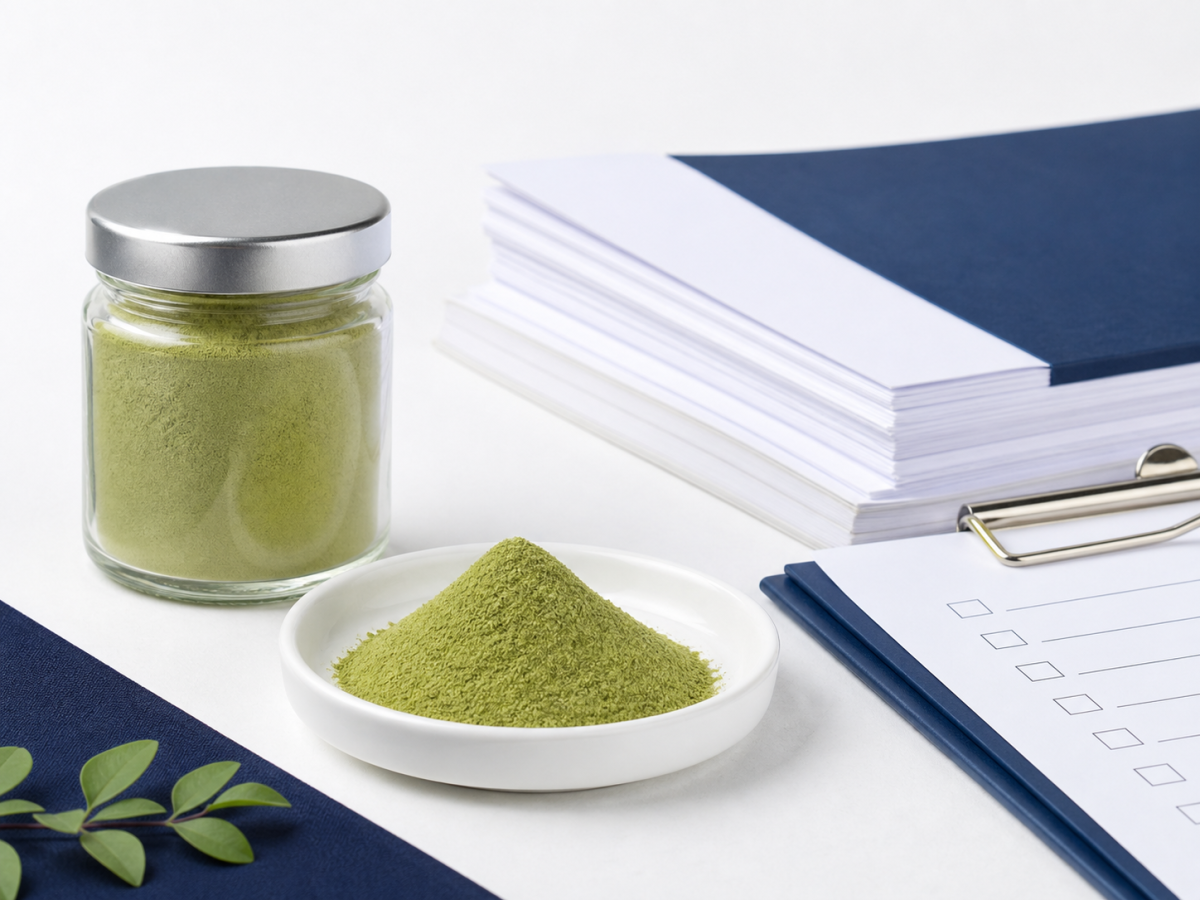
Featured image alt text: tea extract powder supplier specification questionnaire and COA review
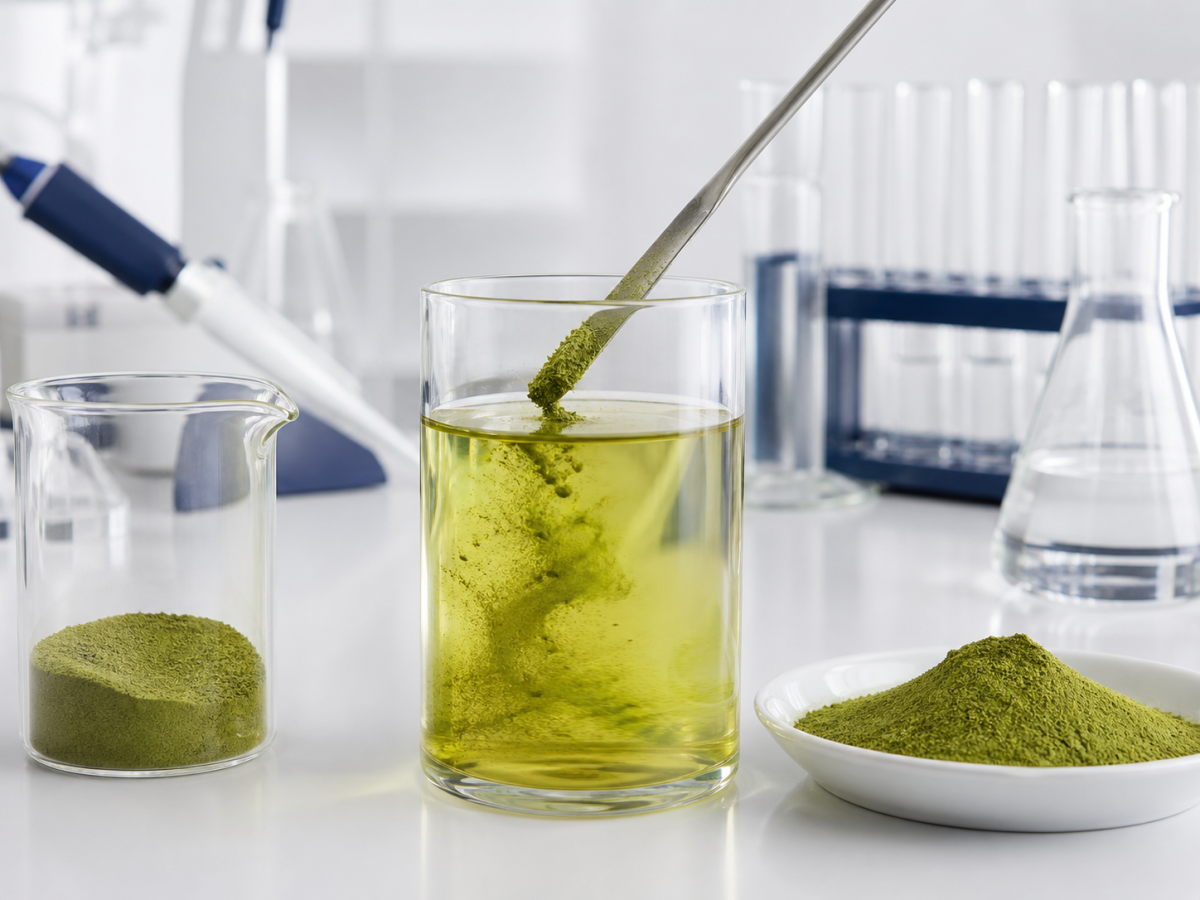
Body image alt text: tea extract powder supplier sample testing and assay review in laboratory
Image Prompts
Featured image prompt: Clean B2B ingredient sourcing visual for tea extract powder supplier guide, green tea extract powder jar, COA sheet, specification questionnaire, procurement desk, professional lab-office style, no consumer health claims.
Workflow image prompt: Technical flat-lay visual for tea extract powder supplier comparison, sample bags, assay report, HPLC notes, RFQ checklist and export packing mockup, neutral botanical ingredient sourcing style.
Download
Download the Food Ingredient RFQ Template to prepare application, specification, COA, sample, MOQ and packing fields before supplier comparison.