
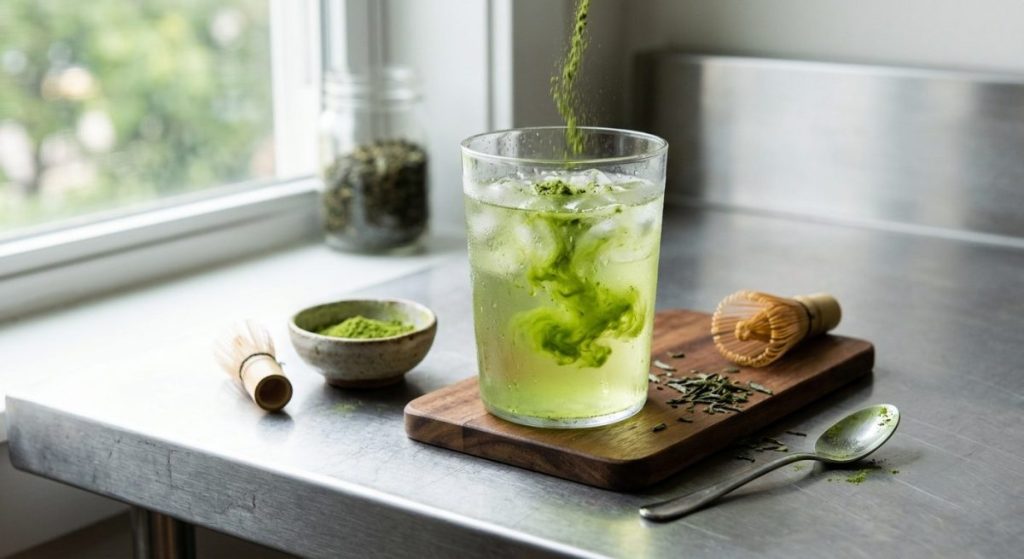
Instant green tea powder making RTD tea dull or cloudy? Check solubility, color target and process conditions.
For beverage brands, instant green tea powder is usually selected for convenience, tea character and production efficiency. The practical question is not whether green tea is popular. It is whether the powder can hold the target color, taste and clarity in the finished RTD or iced tea system.
HERBSEA supplies bulk tea ingredients for B2B beverage and food projects, including green tea instant powder for RTD drinks for RTD tea, iced tea, tea latte and instant drink formulations. This article keeps the focus on ingredient sourcing, sample testing and documentation review.
Demand Clarification: Instant Green Tea Powder for RTD and Iced Tea
Start with the drink format. RTD bottled tea, foodservice iced tea concentrate, powdered iced tea mix and fresh-prepared tea drinks do not need exactly the same green tea powder.
For RTD and iced tea projects, buyers should define:
- Hot-fill, cold-fill, aseptic or foodservice preparation.
- Clear tea, lightly cloudy tea or milk-added tea.
- Sweetened, unsweetened or low-sugar formula direction.
- Target cup color after dilution or processing.
- Expected storage and distribution conditions.
- Required documents for QA, import and label review.
Instant green tea powder can help a team avoid daily tea extraction work, but it still needs formula testing. Green tea flavor can become thin, sharp or muted when acid, sugar, flavor, mineral content or heat process changes. A powder that tastes balanced in hot water may act differently in a bottled iced tea with citric acid and sweetener.
If your project requires cold preparation, compare the green tea powder with the site’s broader cold soluble tea powder information before sample selection. For buyers still mapping the wider instant tea category, HERBSEA’s instant tea powder category is a useful internal starting point.
Screening Criteria: Solubility, Color, Taste and Documentation
For RTD and iced tea, solubility is only one part of the decision. The finished drink also needs suitable sensory direction and a quality package that the buyer can review before purchase.
Ask the supplier for:
- Solubility direction: hot soluble, cold soluble or application-specific grade.
- Tea profile: fresh green tea, roasted green tea, mild tea or stronger tea note.
- Color range: expected liquor color in the buyer’s dilution system.
- Particle behavior: visible sediment, floating particles or haze after preparation.
- Specification: appearance, moisture, particle size, microbiological limits and other agreed items.
- COA support: batch-level test values matching the specification.
- Packaging options: bulk carton, drum or project-specific packing request.
For export drinks, label decisions belong to the finished product brand, importer or regulatory consultant. The Codex General Standard for the Labelling of Prepackaged Foods and the European Commission page on food information to consumers legislation are useful references when teams review label responsibilities across markets.
Do not turn green tea powder sourcing into a health-claim exercise. In beverage manufacturing, the safer and more useful review is about:
- Ingredient name and specification.
- Process fit.
- Sensory target.
- Finished product label planning.
- Batch documentation.
- Stability checks performed by the buyer.
That kind of evidence is more useful for procurement than broad consumer claims. It also keeps the product page, article content and RFQ conversation consistent with B2B ingredient sourcing.
Practical Advice: Sample Testing and RFQ Details
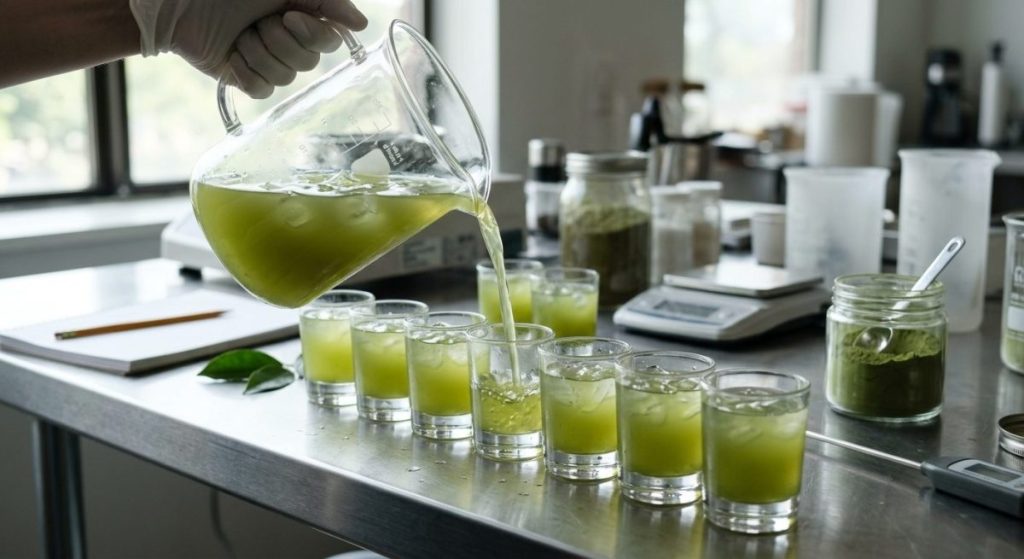
A small but structured sample test is enough to reject a poor fit early. Use the real formula wherever possible, not only plain water.
For RTD or iced tea trials, record:
- Powder amount and dilution ratio.
- Water temperature and mixing time.
- pH or acid system used in the drink.
- Sweetener type and sweetness level.
- Color immediately after mixing.
- Color after process simulation.
- Sediment or haze after resting.
- Taste after cooling.
If the drink is expected to be clear, test clarity under the same lighting and container type used for internal review. If the drink is intentionally cloudy, make sure the haze is consistent and acceptable for the brand’s product concept.
When sending an RFQ to HERBSEA, include the finished product brief:
- RTD bottle, canned tea, foodservice iced tea or powdered iced tea.
- Hot or cold preparation requirement.
- Target flavor direction.
- Sweetener and acid system.
- Expected order quantity.
- Required documents.
- Shipping market and packaging preference.
If the project involves tea latte or dry drink powder rather than clear iced tea, keep that sample brief separate. A milk-added system places more pressure on body, color and powder blending than a simple iced tea.
For sample requests and quotation, send your application details through the HERBSEA contact page. Clear process information helps the supplier recommend a suitable instant green tea powder instead of sending a generic tea sample.
Hot Soluble vs Cold Soluble Instant Green Tea Powder
| Dimension | Hot Soluble Instant Green Tea Powder | Cold Soluble Instant Green Tea Powder |
|---|---|---|
| Main fit | Hot-filled drinks, hot preparation, some dry mix applications | Iced tea, cold preparation, foodservice cold drink systems |
| Mixing condition | Usually evaluated with warm or hot water | Evaluated directly in cold water or chilled base |
| Key risk | May not disperse well in cold preparation | May cost more or require narrower specification review |
| Sensory check | Tea strength after heating and cooling | Tea taste after cold preparation and resting |
| Visual check | Color after process simulation | Clarity, haze and sediment in cold serving conditions |
| Recommended buyer | Brands with hot process or hot water preparation | Brands building iced tea or cold-mix beverage concepts |
Summary
- If your RTD or iced green tea becomes dull, cloudy or uneven, first check solubility, color target and process conditions.
- The core answer is to test instant green tea powder in the finished beverage system, including acid, sweetener and temperature.
- From the comparison, hot soluble grades fit hot process projects, while cold soluble grades are more suitable for cold preparation and iced tea testing.
- Final advice: send the drink format, preparation method, target color, label needs and expected order quantity before requesting a quotation.
Share the finished drink format, target clarity, pH range, sweetness direction, process condition, sample quantity, destination market and required documents.
Request the specification sheet, batch COA, microbiology limits, heavy metals data, packing information and export document support before pilot testing.
Compare cold soluble tea powder when the drink needs cold preparation, fast dispersion or lower sediment in an iced tea or foodservice system.
Related Bulk Tea Supplier Guide
- bulk instant tea powder supplier checklist – Compare supplier capability, COA, sample testing, MOQ, packaging and RFQ details before bulk ordering.