
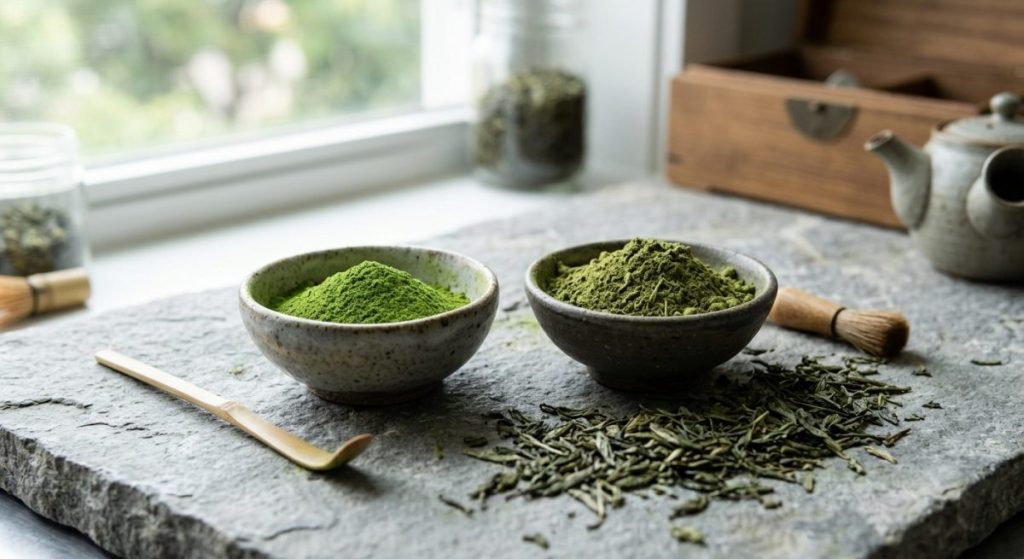
Instant green tea powder for tea latte tasting weak or gritty? Check tea strength, dispersion and milk-system fit first.
Tea latte and dry mix drink projects often look simple at the concept stage. In production, however, instant green tea powder must work with creamer, dairy powder, plant-based powders, sweeteners, flavors, stabilizers, packaging humidity and the buyer’s preparation method.
HERBSEA supplies bulk tea ingredients for B2B beverage and food manufacturing, including instant green tea powder for tea latte and dry mix for tea latte, instant drink powder, RTD tea and food applications. This guide is written for procurement teams, formulators, contract manufacturers and private-label brands that need a practical sourcing path before pilot production.
Demand Clarification: Tea Latte and Dry Mix Drink Requirements
A tea latte powder is rarely just green tea powder plus milk powder. It is usually a dry system. The tea base, creamer, sweetener, flavor, stabilizer and packaging format all influence the finished cup.
Before requesting samples, define the exact drink format:
- Single-serve sachet.
- Stick pack.
- Bulk foodservice bag.
- Vending refill powder.
- Instant tea latte powder for hot preparation.
- Cold-prepared green tea latte powder.
- Base powder for later blending by the buyer.
This matters because an instant green tea powder that works in a hot cafe-style latte may not work in a cold shake, vending machine refill or low-sugar dry mix. The buyer should not judge the ingredient only by color in water. A better first question is: what must the powder do in the full formula?
For an instant green tea powder for tea latte project, clarify these points early:
- Preparation method: hot water, cold water, dairy milk, plant-based milk or vending machine preparation.
- Finished cup style: light green tea drink, creamy tea latte, sweet dessert-style drink or foodservice base.
- Formula control: whether the buyer wants a flexible tea base or a finished premix.
- Sweetener system: sucrose, reduced-sugar blend, sugar alcohol, high-intensity sweetener or unsweetened base.
- Milk system: dairy powder, non-dairy creamer, oat powder, coconut powder, soy powder or buyer-owned creamer blend.
- Packaging format: sachet, stick pack, pouch, bag, carton or drum.
- Document needs: specification, COA, allergen statement, microbiological data, heavy metal data and import documents where required.
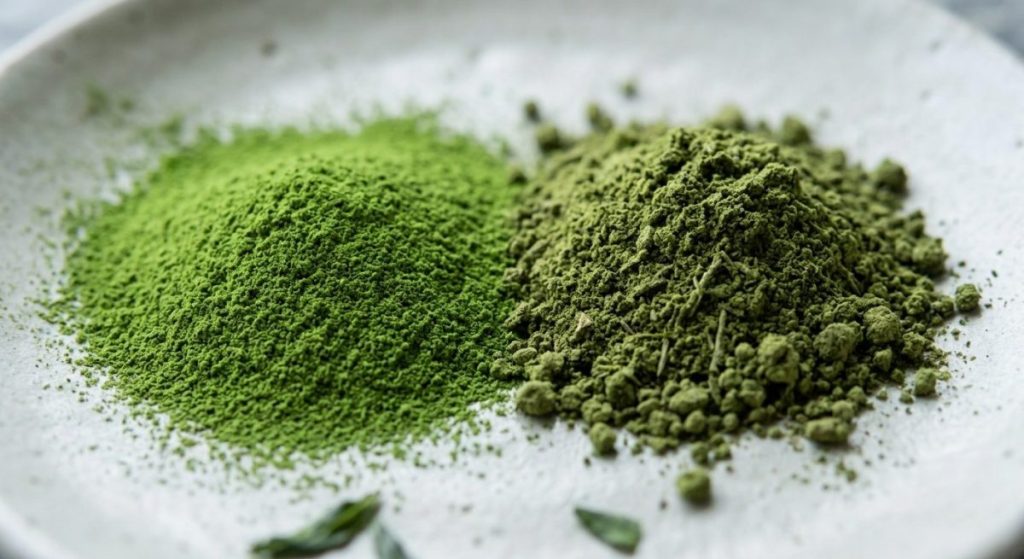
Green tea flavor can disappear under creamer or dairy powder. Meanwhile, it can taste sharper when sugar is reduced. Fine particles may feel smooth in a simple tea drink but gritty in a creamy powder system. For that reason, the supplier conversation should start with the finished drink brief, not only a request for “green tea powder.”
For buyers comparing multiple tea bases, the HERBSEA homepage links the site’s product pages, ingredient categories and application articles. The instant tea powder category is also useful when a project may involve black tea, green tea, cold-soluble tea or another instant tea base.
If the same brand is developing clear iced tea, RTD green tea or cold-mix beverage concepts, keep that sample work separate from tea latte testing. Clear drinks need different clarity and sediment checks. Milk-added or creamer-added systems need more attention to body, mouthfeel and powder blending.
Screening Criteria: Powder Flow, Dispersion and Sensory Balance
The screening stage should answer one practical question: can this instant green tea powder survive the full dry mix system and still deliver the target cup experience?
Start with the tea ingredient itself:
- Tea strength: does the green tea note remain clear after creamer, milk powder and sweetener are added?
- Color: does the prepared drink match the buyer’s expected green tone after full blending?
- Aroma: does the tea note fit the flavor direction, such as plain latte, vanilla, cereal, coconut or dessert-style drinks?
- Mouthfeel: does the powder create gritty particles, dry edges or visible specks?
- Dispersibility: does the drink wet out quickly under the intended stirring, shaking or machine conditions?
- Solubility direction: is the sample designed for hot preparation, cold preparation or a specific application?
- COA scope: does the batch document match the agreed specification rather than only a generic product name?
Then test the full dry system. Instant green tea powder interacts with many ingredients that can change cup quality:
- Creamer can mask tea flavor and alter color.
- Dairy powder can change body and aftertaste.
- Plant-based powders may add their own grain, bean or coconut notes.
- Sugar can soften tea sharpness and support mouthfeel.
- Reduced-sugar systems can expose bitterness or thinness.
- Flavors may support or cover the green tea note.
- Stabilizers can change viscosity and powder hydration.
- Anti-caking agents and packaging conditions can influence powder flow.
For sachet and stick pack projects, powder flow is not a small detail. A formula that tastes acceptable in a cup can still fail during filling if the blend bridges, clumps, separates or gives inconsistent fill weight. The buyer should discuss particle size, bulk density direction, hygroscopic behavior and moisture-control packaging before scale-up.
For vending drink powders, the review should include machine behavior. Cup size, powder use level, water temperature, mixing energy and refill canister design can change the final drink. A bench stir test is useful, but it should not replace a machine trial when the product will be sold through vending or office beverage systems.
For cold-prepared tea latte, solubility deserves a separate review. A standard hot-soluble tea powder may not disperse cleanly in cold water or cold milk. If cold preparation is part of the project, buyers can review HERBSEA’s cold soluble tea powder guide before selecting the sample path.
If the project compares tea taste with marker-led ingredient needs, keep instant tea powder separate from extract powder. HERBSEA’s guide on instant green tea powder vs green tea extract powder explains why a taste-led beverage ingredient and an extract-led specification ingredient should not use the same purchasing checklist.
For final packaged products, label review belongs to the buyer, brand owner, importer or market specialist. The Codex General Standard for the Labelling of Prepackaged Foods and European Commission guidance on food information to consumers legislation are useful external references when teams review market-specific label responsibilities.
Practical Advice: Build a Small Powder Trial Before RFQ
A good sample trial is not complicated, but it must copy the real product as closely as possible. Testing green tea powder in plain water is useful for orientation. It is not enough for tea latte or dry mix drink approval.
Build the first bench trial around three samples:
- A control base without green tea powder.
- One instant green tea powder sample at the low target level.
- The same sample at a higher target level.
If the supplier provides more than one grade, do not test every sample randomly. Compare them under the same formula, same mixing method and same cup size. Record the result in a simple table so the formulation team and purchasing team can discuss the same evidence.
For each trial, record:
- Powder blend ratio.
- Water, milk or plant-based base used.
- Preparation temperature.
- Stirring, shaking or machine mixing method.
- Time needed for wetting and dispersion.
- Cup color immediately after preparation.
- Cup color after resting.
- Aroma and tea strength.
- Mouthfeel, sediment or visible particles.
- Clumping during storage or after opening the sample bag.
For a dry mix manufacturer, the second trial should focus on blending behavior. Mix the green tea powder with the intended dry ingredients:
- Creamer or dairy powder.
- Sweetener.
- Flavor powder.
- Stabilizer or thickener.
- Cocoa, cereal powder or other flavor base if used.
- Flow aid or anti-caking system, if part of the buyer’s formula.
After blending, check whether the green tea powder separates by particle size or color. Also check whether the blend changes during transport simulation, scoop testing or repeated opening. These tests do not need to be large at first. They simply help the buyer identify whether the tea ingredient is compatible with the intended powder system.
For stick packs and sachets, ask the packer what matters for filling:
- Powder flow through the hopper.
- Dusting during filling.
- Heat sealing conditions.
- Moisture barrier requirements.
- Fill-weight consistency.
- Shelf-life study plan controlled by the buyer.
For vending systems, run a small machine trial as soon as the bench formula looks reasonable. Record:
- Powder use level per cup.
- Water temperature.
- Cup volume.
- Mixing or whipping setting.
- Residue inside the machine.
- Cup-to-cup color consistency.
- Whether the formula clumps in the canister.
The supplier may not control the buyer’s machine or packaging line, but the ingredient sample should support a realistic trial. If the sample works only under ideal lab stirring, it may not be ready for commercial dry mix use.
When requesting a quote from HERBSEA, send a project brief rather than a single keyword. Include:
- Product format: sachet, stick pack, vending refill, foodservice bag or bulk blend.
- Preparation method: hot water, cold water, milk, plant-based milk or machine dispensing.
- Target cup style: light tea drink, creamy tea latte or dessert-style drink.
- Whether the formula includes creamer, dairy powder or plant-based powder.
- Target tea strength and color direction.
- Sweetener system.
- Expected order quantity.
- Packaging preference.
- Required documents before approval.
- Shipping market and importer requirements if already known.
For sample requests, quotation and document review, use the HERBSEA contact page. A precise application brief helps the supplier recommend a more suitable instant green tea powder grade and reduces unnecessary sample rounds.
Instant Green Tea Powder vs Complete Tea Latte Premix
| Dimension | Instant Green Tea Powder | Complete Tea Latte Premix |
|---|---|---|
| Main role | Tea base ingredient for a custom dry mix or tea latte formula | Finished or semi-finished blend with tea, creamer, sweetener and flavor |
| Formula control | Gives the buyer more control over sweetness, milk system, flavor and label planning | Offers faster concept testing but less flexibility for custom formulas |
| Procurement review | Focuses on tea ingredient specification, COA, solubility and application fit | Requires review of the full ingredient system and all blend components |
| Sample testing | Must be tested inside the buyer’s real dry mix, vending or latte system | Can be tested as a prepared drink concept before deeper customization |
| Powder-flow risk | Depends on how the tea powder behaves with the buyer’s other dry ingredients | Depends on the premix supplier’s full blend design and packaging conditions |
| Cost review | Lets the buyer manage formula cost by adjusting each component | May simplify purchasing but can limit cost breakdown visibility |
| Limitation | Requires formulation work, blending trials and buyer-side validation | May not match the buyer’s exact taste, label, cost or packaging requirements |
| Recommended buyer | Brands, contract manufacturers and dry mix developers building their own tea latte system | Buyers needing a standard drink concept or quick sample direction |
Summary
- If your tea latte or dry mix drink tastes weak, gritty or uneven, first check tea strength, dispersion, milk-system fit and powder-flow behavior.
- The core answer is to test instant green tea powder inside the complete dry mix or machine preparation system, not only in plain water.
- From the comparison, instant green tea powder is better for custom formulation control, while a complete tea latte premix may suit faster standard concept testing.
- Final advice: send HERBSEA the formula format, preparation method, milk or creamer system, packaging needs, document requirements and expected order quantity before asking for quotation.
Define hot or cold preparation, dairy or plant-based base, sweetness direction, target cup color, packing format, expected volume and document requirements.
Creamer, milk powder, sweeteners and flavors can change tea strength, color, mouthfeel and dispersion, so plain-water testing is not enough for dry mix projects.
Ask for the specification sheet, batch COA, allergen statement, microbiology data, heavy metals data, packing details and sample label information.
Related Bulk Tea Supplier Guide
- bulk instant tea powder supplier checklist – Compare supplier capability, COA, sample testing, MOQ, packaging and RFQ details before bulk ordering.