
Instant black tea powder is one of the most practical tea bases for ready-to-drink tea, bottled iced tea, milk tea, tea concentrates and foodservice beverage projects. For a beverage brand or contract manufacturer, the purchasing question is rarely only “which black tea powder is available?” The more important question is whether the ingredient can fit the target drink system, remain easy to disperse, deliver a clean black tea profile, and arrive with the documentation needed for repeat production.
RTD Project Next Step
Check the Adjacent Black Tea Use Cases
RTD teams often compare black tea base selection with milk tea strength, dairy compatibility and B2B sourcing documentation.
HERBSEA supplies bulk instant black tea powder for B2B formulation projects. This guide explains how buyers can evaluate solubility, clarity, flavor, specification data, sample testing and supplier communication before placing a bulk order. It is written for R&D teams, sourcing managers, beverage factories and private label teams that need a practical ingredient checklist.
RTD Tea Formulation Decision Panel
Before You Request RTD Samples, Define the Beverage System
RTD buyers click because they want a practical formulation path. A sample is useful only when the supplier understands the target drink format, process condition and sensory goal.
Send application, target solubility, process notes, expected quantity and destination market to match a practical RTD tea powder grade.
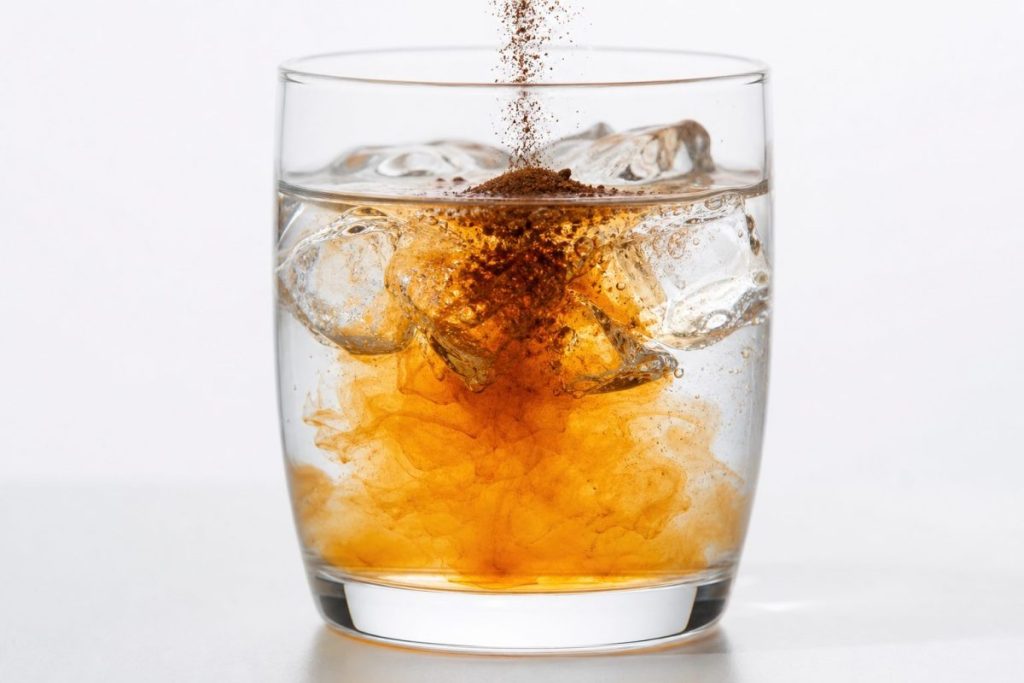
What RTD Beverage Buyers Need From Instant Black Tea Powder
RTD tea production puts different pressure on an ingredient than a simple dry blend. A powder may smell attractive in a sample bag, but still create problems if it disperses slowly, leaves sediment, adds excessive bitterness, or shifts the final beverage color after pilot testing. A good supplier discussion should therefore begin with the drink format, not only the ingredient name.
For bottled black tea, iced tea and low-sugar tea drinks, buyers usually care about fast hydration, moderate astringency, stable tea color and a flavor profile that can work with acid, sugar, sweeteners or fruit notes. For milk tea and tea latte systems, buyers may accept a deeper tea body and stronger color because dairy or creamer changes the sensory balance. For powder drink mixes, flowability and dry blending behavior become more important. The best ingredient choice depends on the target application.
Before requesting a quote, define the expected finished drink format, target Brix range, pH range, flavor direction, packaging type, expected production process and sample quantity. This helps the supplier recommend a realistic grade and reduces time lost on samples that do not match the application.
Core Specification Points To Check
A useful specification sheet for instant black tea powder should give more than a product name. B2B buyers should check the following points when comparing suppliers.
- Botanical and tea source: Confirm the black tea raw material and whether the supplier can keep a consistent source for repeat orders.
- Extraction and drying method: Spray-dried grades are common for beverage projects because they can balance cost, solubility and scale. Other processes may be useful for specific flavor targets.
- Instant solubility: Ask how the powder performs in warm water, ambient water and cold beverage systems. Cold systems need closer sample testing.
- Color and clarity: Review the liquid appearance after full dispersion, after standing and after pilot processing.
- Particle size and flowability: Fine powder may disperse quickly but can create dusting during production. Granulated or agglomerated options may improve handling.
- Flavor profile: Define whether the project needs clean black tea, roasted tea, stronger tannin, mild astringency or a neutral base for flavor systems.
- Documentation: Request COA, specification sheet, microbiology data, heavy metal data, allergen statement if applicable, packaging information and shelf-life information.
Solubility And Clarity Checklist For RTD Tea
Solubility is one of the first screening points for RTD tea. A powder that works in hot water may still need adjustment in an iced tea base, especially when the finished product includes acidulants, sweeteners, minerals, juice components or flavor emulsions. The right way to judge solubility is to test it inside the actual beverage system, not only in plain water.
Start with a simple lab screen. Add the powder at several application levels, hydrate it under the same temperature and mixing conditions planned for production, and record dispersion time, visible particles, foam, aroma release and color. Then move to a bench formula that includes the main beverage components. After mixing, observe the beverage immediately, after several hours, after chilling and after a small heat process if that matches the project.
For clear iced tea, clarity is often as important as taste. Haze can come from tea solids, water minerals, pH, temperature shift or interactions with other ingredients. Buyers should compare more than one sample and ask the supplier whether a grade is designed for clear RTD tea, milk tea, powdered beverage, concentrate or general foodservice use. Matching the grade to the application is usually more effective than trying to force one powder into every format.
| Test Item | What To Observe | Why It Matters |
|---|---|---|
| Warm water dispersion | Mixing speed, foam, undissolved particles | Shows basic instant performance |
| Cold water dispersion | Hydration time, sediment, surface particles | Important for iced tea and cold-fill systems |
| Acid system test | Color shift, haze, aroma change | Useful for lemon tea and fruit tea formulas |
| Standing test | Bottom sediment and ring marks | Helps compare ingredient stability in the formula |
| Pilot process test | Appearance after mixing, filtration or heat step | Connects lab screening with production reality |
Instant Black Tea Powder Vs Black Tea Extract Powder
Buyers sometimes compare instant black tea powder with black tea extract powder. The two product names can overlap in the market, but the purchasing intent is often different. Instant black tea powder is usually selected as a tea base for beverage flavor, color and ease of preparation. Black tea extract powder may be selected when the project is more focused on a defined extract profile or a supplement ingredient format.
For RTD beverages, the practical question is whether the ingredient behaves like a beverage base. A highly concentrated extract may be efficient, but it can be too bitter, too dark, or less balanced in a consumer beverage. An instant tea powder designed for drink applications can be easier to formulate when the target is an enjoyable bottled tea, milk tea, instant drink mix or foodservice concentrate.
If your project is a beverage, start with the finished drink target and ask for a sample suitable for RTD testing. If your project is a supplement powder, capsule blend or functional ingredient system, ask whether a different black tea extract specification is more appropriate. HERBSEA can discuss both directions, but each route should be evaluated with different test criteria.
Application Map For Beverage Projects
The same ingredient name can serve multiple beverage formats, but each format needs its own acceptance standard. Use the table below as a starting point when briefing your supplier.
| Application | Priority | Buyer Notes |
|---|---|---|
| RTD iced black tea | Cold solubility, clarity, clean tea flavor | Test in the final pH and sweetener system. |
| Lemon black tea | Acid compatibility, color, aroma balance | Compare haze and taste after chilling. |
| Milk tea or tea latte | Tea body, color strength, dairy compatibility | Evaluate after creamer, milk powder or dairy base is added. |
| Powdered drink mix | Dry blending, flowability, reconstitution | Check dusting, caking tendency and consumer preparation conditions. |
| Foodservice concentrate | Flavor consistency, handling, bulk packing | Ask for packing options that fit the factory or kitchen workflow. |
Sample Testing Workflow Before Bulk Order
A structured sample workflow helps buyers avoid judging an ingredient too quickly. First, confirm the target drink format and ask the supplier for the recommended grade. Second, run a plain-water screen to understand baseline color, aroma and dispersion. Third, test the powder in the real beverage formula. Fourth, compare two or three application levels instead of only one. Fifth, record results in a simple evaluation sheet so the R&D, quality and purchasing teams can discuss the same data.
During the sample stage, pay attention to mixing equipment, water quality, temperature and order of addition. A powder may perform differently if it is added before sugar syrup, after acid adjustment, or directly into a cold finished base. The supplier can give general handling suggestions, but the final production process should be confirmed by your own pilot run.
When a sample is approved, request the exact specification, batch information and packing details connected to the tested sample. This reduces the risk of approving one material and later ordering a different grade by mistake. For recurring orders, ask whether the supplier can maintain the same grade and provide COA documents for each batch.
Supplier Documents To Request
For a B2B beverage ingredient order, documentation is part of the product. A buyer should be able to review the specification before quotation and receive batch documents with shipment. The exact document list depends on market, formula and buyer requirements, but the following items are commonly requested.
- Product specification sheet with appearance, flavor, solubility reference, moisture and other quality parameters.
- Certificate of analysis for the current or representative batch.
- Microbiology and heavy metal test information based on supplier quality control scope.
- Ingredient statement and processing information needed by the buyer’s regulatory or quality team.
- Packaging details such as carton size, inner bag, net weight, pallet arrangement and storage conditions.
- Lead time, sample availability, minimum order quantity and private label or bulk packing options.
How To Brief HERBSEA For A Faster Recommendation
When contacting HERBSEA, include the application and basic project target. A short but clear brief is enough: “RTD iced black tea, clear beverage, lemon flavor, cold-fill or hot-fill process, target sample quantity, expected annual volume and destination market.” If the product is a milk tea, powdered beverage or foodservice concentrate, state that clearly. These details help the supplier recommend a suitable instant tea powder rather than sending a generic sample.
If you already have a benchmark product, share the target color, tea strength, taste direction or solubility expectation. If you are replacing an existing ingredient, provide the current specification and what needs to improve, such as cleaner flavor, better cold dispersion, more consistent color or more suitable packing. The more precise the brief, the easier it is to compare samples and move toward a bulk order decision.
How To Compare Supplier Quotes
Price per kilogram is only one part of a quote. A lower unit price may not be the best option if the powder requires a higher application level, creates more production handling work, or cannot keep the same sensory profile across repeat batches. When comparing quotes, keep the approved sample, specification, packing and lead time together in one decision file. This gives purchasing, quality and R&D teams a shared reference point.
Ask whether the quoted material is the same grade as the sample, whether the price is based on stock or new production, and whether the supplier can reserve enough raw material for the first commercial order. For beverage projects, consistency matters because a small color or taste shift can be noticed quickly in a finished drink. A reliable supplier should be able to explain the grade, packing, lead time, batch document flow and communication process for repeat orders.
Freight and packing also affect landed cost. Instant tea powder is usually packed in inner bags and cartons or drums, depending on the grade and order size. Buyers should confirm net weight per carton, carton dimensions, pallet arrangement, shipping terms and storage conditions. If your factory has strict receiving rules, share them before the quote is finalized.
Production Scale-Up Notes
Lab approval is only the first step. Before moving to full production, run a pilot batch that uses the planned water source, mixing equipment, ingredient addition order, process temperature and filling method. A pilot run can reveal practical details such as dusting, foam, hydration time, color strength, sediment, filter load and finished drink appearance. These observations should be documented before the first large purchase.
For cold beverage systems, test whether the tea powder should be pre-dissolved before entering the main tank. For milk tea systems, test the order of tea powder, sugar, creamer, dairy base and flavor addition. For powder drink mixes, test blending uniformity and reconstitution with the consumer preparation method. The best scale-up approach depends on factory equipment, formula design and the target beverage experience.
Once the ingredient is approved, keep a reference sample from the approved batch and align it with the COA and specification. This makes future incoming quality review more practical. If the formula is highly sensitive to color or taste, discuss batch-to-batch expectations with the supplier before placing recurring orders.
Related HERBSEA Resources
- Instant Black Tea Powder product page for ingredient specification and bulk inquiry.
- Instant Tea Powder category for black tea, green tea, matcha and related tea powder options.
- Bulk Instant Tea Powder Supplier guide for sourcing workflow and buyer checklist.
- Cold Soluble Tea Powder guide for cold beverage formulation screening.
- HERBSEA FAQ for sample, MOQ, documentation and shipping questions.
FAQ: Instant Black Tea Powder For RTD Beverages
Yes. Instant black tea powder is commonly evaluated for bottled iced tea and other RTD tea concepts. Buyers should test solubility, clarity, flavor and color in the final beverage system before confirming a bulk order.
Send the application, target beverage type, pH range if available, flavor direction, processing method, sample quantity and estimated order volume. This helps HERBSEA recommend a grade that fits the project.
Not always. Clear iced tea, milk tea, powder drink mix and foodservice concentrate can require different flavor strength, solubility and handling properties. Sample testing should match the actual application.
Buyers can request a specification sheet, COA, packing details and other quality documents based on the project requirement. Document availability should be confirmed during the inquiry stage.
Request Instant Black Tea Powder Samples
HERBSEA supports B2B buyers with bulk instant black tea powder for RTD tea, iced tea, milk tea, powdered drink mix and foodservice beverage projects. Share your application, target formula direction and required documents, and our team can help match a suitable sample for evaluation.
Black Tea Powder Internal Sourcing Links
For a complete black tea powder sourcing review, use the following HERBSEA pages before requesting samples or bulk quotation:
- black tea powder supplier product page for specification, COA, MOQ, samples and bulk packaging.
- What Is Black Tea Powder? for definition, applications and specification checks.
- black tea powder for milk tea formulation guidance.
- Black Tea Powder for RTD Tea Manufacturing and iced tea projects.
- Black Tea Powder vs Black Tea Extract for choosing between beverage-base powder and extract-led specifications.
- bulk black tea powder supplier selection checklist.