
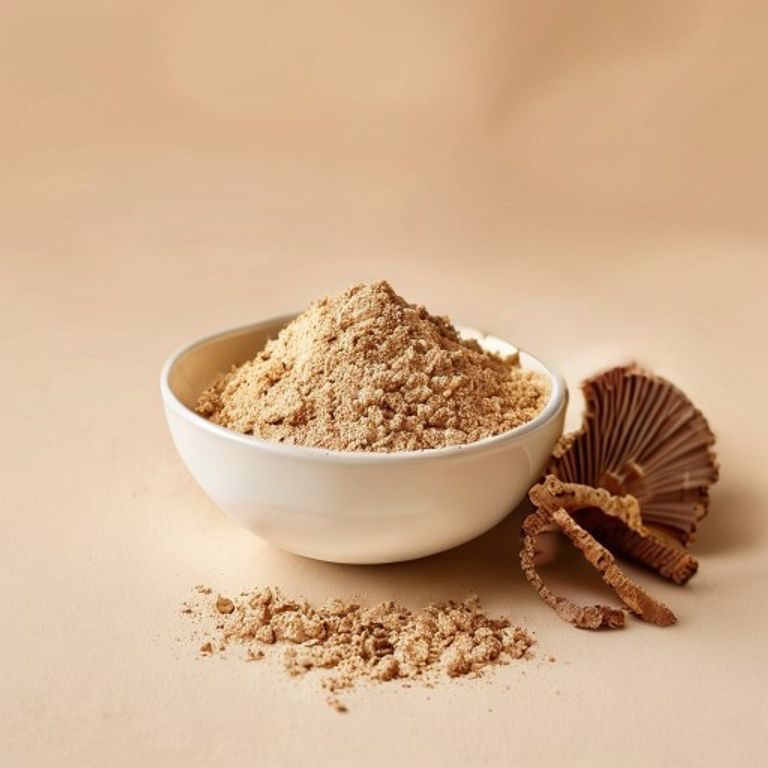
Turkey tail mushroom extract is gaining attention in the pet supplement market as brands look for functional mushroom ingredients for dogs, cats, and companion animal products. With the growing interest in mushroom-based formulas, pet supplement companies are evaluating turkey tail extract for soft chews, capsules, powders, meal toppers, functional treats, and private-label pet wellness blends.
For B2B buyers, the key question is not simply whether turkey tail is popular. The more important question is whether a supplier can provide a consistent mushroom extract with clear specifications, beta-glucan data, polysaccharide information, heavy metal testing, microbiological control, and documentation suitable for pet supplement manufacturing.
Turkey tail extract should be approached as a quality-controlled botanical ingredient, not as a medical solution. Pet brands should avoid disease-treatment claims and focus on ingredient quality, specification transparency, responsible formulation, and compliance review.
HERBSEA supplies turkey tail mushroom extract for supplement, functional food, and pet wellness formulation projects.
What Is Turkey Tail Mushroom Extract?
Turkey tail mushroom, also known as Trametes versicolor or Coriolus versicolor, is a bracket mushroom recognized for its colorful, layered appearance. In supplement manufacturing, turkey tail is usually processed into powder or extract form for easier use in capsules, tablets, soft chews, sachets, and powder blends.
For pet supplement brands, turkey tail mushroom extract is usually selected because it fits the broader functional mushroom category. It can be positioned alongside ingredients such as reishi, lion’s mane, chaga, maitake, and cordyceps, depending on the finished product concept.
The most important sourcing question is whether the material is a whole mushroom powder, a hot-water extract, an alcohol extract, or a dual extract. These forms may differ in active compound profile, solubility, color, taste, cost, and application suitability.
For buyers comparing formats, HERBSEA’s guide on mushroom extract vs mushroom powder can help explain the difference between raw powder and concentrated extract.
Why Pet Supplement Brands Are Interested in Turkey Tail
Pet supplement brands are increasingly developing formulas around functional mushrooms because consumers already recognize mushroom ingredients from the human supplement market. This creates a familiar ingredient story for dog and cat products.
Turkey tail extract can fit several pet supplement formats:
Soft chews for dogs
Capsules for companion animals
Powder meal toppers
Functional treat blends
Mushroom complex formulas
Private-label pet wellness products
Veterinary-channel supplement concepts
Senior pet support formulas
For brands, turkey tail is especially attractive because it can be used as part of a mushroom complex or as a hero ingredient in a single-mushroom formula. However, the finished product should be positioned carefully. Pet supplement brands should not make treatment claims, disease claims, or veterinary drug-style promises.
Instead, the commercial focus should be ingredient quality, clean sourcing, batch consistency, clear specifications, and responsible label language.
Turkey Tail Extract vs Turkey Tail Mushroom Powder
A common sourcing question is whether to use turkey tail mushroom powder or turkey tail mushroom extract.
Turkey tail mushroom powder is generally made from dried and milled mushroom material. It may be suitable for whole-food positioning, powder blends, or formulas where a lower-cost mushroom ingredient is acceptable.
Turkey tail mushroom extract is processed to concentrate certain water-soluble or alcohol-soluble compounds. Hot-water extracts are commonly used for mushroom polysaccharides and beta-glucans, while dual extracts may be used when brands want a broader compound profile.
For pet supplement brands, extract is often preferred when the formula needs stronger specification control and lower serving size. However, extract quality depends heavily on extraction method, raw material, carrier, ratio, and testing method.
A high extract ratio alone does not guarantee quality. Buyers should ask for actual beta-glucan data, polysaccharide testing method, carrier information, and a batch COA.
Why Beta-Glucan Specifications Matter
Beta-glucans are one of the most important specification points for mushroom extracts. In turkey tail extract sourcing, buyers may see terms such as polysaccharides, beta-glucans, PSK, PSP, and extract ratio.
These terms are not interchangeable.
Polysaccharides can include many carbohydrate compounds, including starch or other non-beta-glucan materials. Beta-glucans are a more specific group of polysaccharides and are often a better quality marker for mushroom extract purchasing.
PSK and PSP are turkey tail-associated polysaccharide-protein complexes discussed in scientific literature, but commercial ingredient specifications vary. Pet supplement brands should be careful not to use these terms in a way that implies drug-like claims.
For B2B procurement, the most practical approach is to request clear testing data. Buyers should ask:
What is the beta-glucan percentage?
What testing method is used?
Is alpha-glucan reported separately?
What is the total polysaccharide percentage?
Is the extract made from fruiting body, mycelium, or both?
Is there a carrier or excipient?
Is the extract ratio supported by documentation?
HERBSEA’s beta-glucan in mushroom extracts guide can help buyers understand specification and testing points for mushroom ingredients.
Fruiting Body, Mycelium and Raw Material Source
Turkey tail extract quality depends partly on the raw material source. Some mushroom ingredients are made from fruiting bodies, while others are made from mycelium or mycelium grown on grain.
This distinction matters because it can affect beta-glucan content, starch level, identity, labeling, and buyer perception. Mycelium grown on grain may contain more grain-derived material, depending on the production method.
Pet supplement brands should ask suppliers to clarify the source material and provide supporting documentation. A transparent supplier should be able to state whether the ingredient is made from fruiting body, mycelium, or a combination, and whether carriers or grain substrates are present.
This information is especially important for brands that want premium positioning or need to explain ingredient sourcing to retailers, veterinarians, or private-label customers.
Important COA Checks for Pet Supplement Buyers
A COA for turkey tail mushroom extract should do more than list appearance and extract ratio. Pet supplement brands should review both identity and safety-related specifications.
Important COA and specification items include:
Botanical name
Plant part or mushroom part used
Fruiting body or mycelium source
Extraction method
Extract ratio
Beta-glucan content
Alpha-glucan content if available
Total polysaccharides
Carrier or excipient information
Appearance and color
Particle size
Moisture
Ash
Heavy metals
Microbiology
Pesticide residues if applicable
Residual solvents if alcohol extraction is used
Allergen statement
GMO status if required
Shelf life
Storage conditions
Batch traceability
Mushroom extracts can be vulnerable to quality variation, especially when suppliers use different raw material sources, extraction processes, or testing methods. For that reason, pet supplement brands should compare COAs carefully and avoid selecting suppliers based only on price.
For a broader quality-control framework, buyers can review HERBSEA’s mushroom extract COA guide.
Heavy Metals and Microbiology for Pet Products
Heavy metal testing is especially important for mushroom ingredients. Mushrooms can accumulate minerals and environmental contaminants depending on growing conditions and raw material source. Pet supplement brands should request current heavy metal data for arsenic, lead, cadmium, and mercury.
Microbiological quality is also important, especially for soft chews, powders, and treats. Buyers should review total plate count, yeast and mold, coliforms, E. coli, Salmonella, and other relevant microbiological limits.
If the finished product will be used in pet treats or animal supplements, brands should confirm that their manufacturing process, ingredient specifications, and finished product testing align with their target market requirements.
The FDA’s animal food labeling and pet food claims resource can help brands understand U.S. regulatory considerations around animal food and pet product claims: FDA Animal Food Labeling and Pet Food Claims.
Formulation Formats for Pet Supplements
Turkey tail mushroom extract can be used in several pet supplement formats. Each format has different formulation needs.
In soft chews, the extract must blend well with oils, binders, flavors, palatability systems, and other active ingredients. Taste and odor matter because pets may reject strong mushroom notes.
In capsules, particle size, flowability, bulk density, and serving size are important. Extracts with stronger specifications may help reduce capsule count.
In powder meal toppers, taste, color, odor, dispersibility, and dosage uniformity are important. Brands should test whether the powder blends evenly with other ingredients.
In functional treats, heat exposure and processing conditions should be evaluated. Some botanical extracts may change color, odor, or activity depending on processing.
In mushroom complex formulas, turkey tail may be combined with reishi, lion’s mane, chaga, maitake, or cordyceps. HERBSEA also supplies reishi mushroom extract for brands building multi-mushroom pet or supplement blends.
Pet Supplement Labeling and Claim Considerations
Pet supplement brands should be careful with claim language. Turkey tail mushroom extract should not be marketed as treating, curing, or preventing disease. Even when scientific research exists around mushroom compounds, finished product claims must be reviewed separately.
Brands should focus on compliant and conservative language, such as functional mushroom ingredient, mushroom extract, beta-glucan specification, quality-tested extract, or pet wellness formula, depending on the product and regulatory review.
For U.S. pet products, brands may also review AAFCO labeling resources, including AAFCO pet food labeling information. The National Animal Supplement Council also provides information on quality programs for animal supplements through the NASC Quality Seal.
These resources do not replace legal or regulatory advice, but they help brands understand why claim review and documentation are important in pet supplement development.
HERBSEA’s pet health ingredients page can also support internal linking for brands exploring botanical and nutritional ingredients for pet product concepts.
How to Evaluate a Turkey Tail Mushroom Extract Supplier
A reliable supplier should be able to explain the ingredient beyond a simple product name. For pet supplement brands, the supplier should provide documentation, sample support, and transparent answers about source material and testing.
Before buying, ask:
Is the material fruiting body, mycelium, or both?
What is the extraction method?
What is the beta-glucan content?
Is alpha-glucan tested separately?
What is the total polysaccharide level?
What testing method is used?
Is there any carrier or excipient?
Can you provide a current COA?
Can you provide heavy metal data?
Can you provide microbiology results?
Is the ingredient suitable for pet supplement applications?
What is the MOQ?
What is the lead time?
Can you provide samples for pilot formulation?
Can you support repeat batch consistency?
The supplier’s ability to answer these questions often says more than the price quote. For mushroom extracts, transparency is a major part of quality.
Testing Before Commercial Production
Before launching a pet supplement, brands should test turkey tail mushroom extract in the actual formula. A powder sample may look acceptable on its own but behave differently in a soft chew, capsule blend, powder topper, or functional treat.
Pilot testing should check:
Taste and odor
Particle size
Blend uniformity
Flowability
Color impact
Moisture compatibility
Heat exposure if applicable
Serving size feasibility
Stability during storage
Interaction with flavors, oils, binders, proteins, minerals, or other botanicals
Brands should also keep reference samples from approved batches and compare future shipments against the original standard. This helps control color, odor, taste, and specification consistency over time.
FAQ
Is turkey tail mushroom extract suitable for pet supplements?
Turkey tail mushroom extract can be used in pet supplement formulas, including soft chews, powders, capsules, and functional treats. Brands should evaluate ingredient quality, beta-glucan data, safety testing, palatability, and regulatory claim language before launch.
What is the difference between turkey tail extract and turkey tail powder?
Turkey tail powder is usually dried and milled mushroom material. Turkey tail extract is processed to concentrate certain compounds, such as mushroom polysaccharides or beta-glucans. Extracts may be preferred when brands need stronger specification control and smaller serving sizes.
What specification is most important for turkey tail mushroom extract?
Beta-glucan content is one of the most important quality markers. Buyers should also review alpha-glucan, total polysaccharides, extraction method, source material, carrier information, heavy metals, microbiology, and batch traceability.
Can pet supplement brands make immune or disease claims?
Pet supplement brands should be very careful with claims. Avoid disease-treatment, prevention, cure, or veterinary drug-style language. Claims should be reviewed according to the target market and finished product category.
What documents should a turkey tail extract supplier provide?
A supplier should provide a specification sheet, COA, beta-glucan data, heavy metal testing, microbiology results, allergen statement, carrier information, shelf-life information, and batch traceability.
Source Turkey Tail Mushroom Extract for Pet Supplement Projects
Turkey tail mushroom extract can be a valuable ingredient for pet supplement brands developing mushroom-based formulas, soft chews, capsules, powder toppers, and private-label wellness products. But successful sourcing depends on more than popularity. Buyers should evaluate beta-glucan specifications, raw material source, extraction method, carrier information, COA, heavy metals, microbiology, MOQ, lead time, and batch consistency.
HERBSEA supplies turkey tail mushroom extract for supplement and pet wellness formulation projects. To request specifications, COA, samples, or a bulk quotation, please contact HERBSEA.