
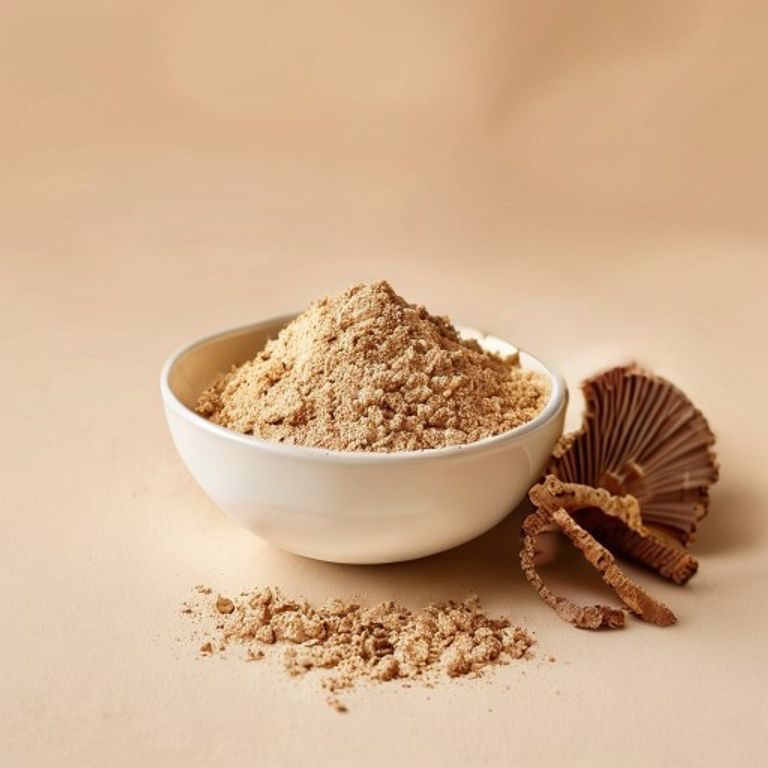
Shiitake Mushroom Extract vs Shiitake Mushroom Powder
Shiitake Mushroom Extract and Shiitake Mushroom Powder may look similar in a supplier catalog, but they can represent different raw material decisions. For B2B buyers, the difference affects specification review, COA expectations, formulation fit, price comparison, packaging, sample testing and long-term supplier qualification.
The key sourcing point is simple: Shiitake Mushroom Extract and Shiitake Mushroom Powder should not be compared by name or price alone. A buyer should first confirm whether the project needs an extract-style ingredient, a whole mushroom powder style ingredient or another mushroom raw material direction.
For commercial extract sourcing, procurement teams can review the core Shiitake Mushroom Extract supplier page. This comparison article supports that core page by helping buyers decide whether extract powder or mushroom powder better matches the purchasing brief.
Core Difference Between Extract and Powder
Shiitake Mushroom Powder usually refers to a powdered mushroom material. Shiitake Mushroom Extract usually involves an extraction process and is commonly reviewed through extract ratio, marker direction, carrier status, COA items and specification details.
A powder can describe physical form, while an extract usually describes both form and processing direction. That distinction matters because procurement teams may receive supplier quotes that use similar words but refer to different technical bases.
A buyer comparing these two materials should ask:
Is the material a simple mushroom powder or an extract powder?
Is an extract ratio listed?
Does the supplier mention polysaccharides, beta-glucan direction or another marker?
Is carrier status clear?
Does the COA match the quoted material?
Is the sample intended for capsules, tablets, powder blends or another finished format?
Can the supplier support repeat supply under the same specification direction?
If the answer is unclear, the quote is not ready for price comparison.
Long-Tail Section: Shiitake Extract vs Powder
The long-tail keyword “Shiitake extract vs powder” usually reflects a buyer trying to choose the right raw material type. In B2B sourcing, the choice should begin with the finished product concept and technical approval process.
A supplement brand may choose Shiitake Mushroom Extract when the purchasing brief requires an extract-style raw material with a defined specification and COA-based review. Another project may consider Shiitake Mushroom Powder when the formula concept focuses on whole mushroom powder characteristics, such as color, flavor, texture or simpler ingredient positioning.
Neither material is automatically better for every project. The better choice is the one that matches the formula, document requirements and commercial plan.
When the buyer cannot decide, the supplier should ask for the intended application, target specification, sample quantity, document checklist and destination market. HERBSEA can discuss product-specific sourcing through the Shiitake Mushroom Extract supplier page or the HERBSEA contact page.
Specification Focus Is Different
Specification review is one of the clearest differences between Shiitake Mushroom Extract and Shiitake Mushroom Powder. Extract materials are often compared by extract ratio, marker direction, carrier status, assay method, physical profile and COA scope. Mushroom powder may be reviewed more heavily through source material, particle size, appearance, odor, moisture and general quality items.
The specification should explain what the buyer is actually purchasing. Without that clarity, two supplier quotes may look similar but represent different material categories.
For Shiitake Mushroom Extract, useful specification points may include:
Product identity
Extract ratio, if applicable
Marker direction
Assay or reporting basis
Carrier status
Appearance and odor
Particle size or mesh information
Moisture and ash
Heavy metals
Microbiology
Storage and packaging
For Shiitake Mushroom Powder, practical review points may include:
Source material
Processing style
Particle size
Color and odor
Moisture
Basic quality items
Packaging format
COA availability
Intended application fit
The buyer should not force both materials into the same checklist without understanding their different sourcing logic.
COA Review for Extract and Powder
A COA should match the offered material. For extract powder, pay close attention to extract ratio, marker direction, assay result and carrier status. For mushroom powder, focus on identity, physical profile, particle size, appearance and core quality items.
The COA must connect to the sample and quotation. A generic or mismatched COA weakens the approval process.
Procurement teams should compare:
Product name on quotation
Product name on COA
Product name on sample label
Batch or lot reference
Specification direction
Assay or marker result where applicable
Physical appearance
Moisture
Heavy metals
Microbiology
Storage condition
Packaging information
If one document says Shiitake Mushroom Extract and another says Shiitake Mushroom Powder, the buyer should ask for clarification before sample approval. The difference may be a simple wording issue, but it may also indicate that the documents do not match the offered material.
For broader document review, buyers can use HERBSEA’s mushroom extract COA guide.
Long-Tail Section: Mushroom Extract vs Mushroom Powder
The broader comparison “mushroom extract vs mushroom powder” is useful because the same sourcing logic applies to many mushroom ingredients. Extract materials often need clearer review of extraction ratio, marker direction, assay method and carrier status. Mushroom powders may need more focus on source material, physical characteristics and particle-size fit.
A buyer comparing mushroom extract vs mushroom powder should first define the purchasing purpose. Is the project trying to use an extract-style ingredient with a documented specification? Or does the formula need a simpler mushroom powder material?
For brands and contract manufacturers, this decision affects sample testing. A capsule project may need flowability review. A tablet project may need blending and compression-related checks. A powder blend may need color, odor, taste and uniformity review. In each case, the raw material type should fit the manufacturing question.
The Mushroom Extract category can help buyers review adjacent mushroom extract options before returning to the core Shiitake Mushroom Extract supplier page for product-specific inquiry.
Formulation Fit: Capsules, Tablets and Powder Blends
Shiitake Mushroom Extract and Shiitake Mushroom Powder may behave differently in formulation work. Extract powders may have different density, flow, color, odor or carrier behavior from mushroom powder. Whole mushroom powder may bring different sensory or physical characteristics.
The material should be tested in the intended format before commercial approval. A sample that looks acceptable in a bag may behave differently during blending, filling or tablet production.
For capsule projects, review flowability, fill behavior, particle size and blend uniformity. Tablet projects may need additional attention to compression-related handling, moisture and excipient compatibility. Powder blend projects should check color, odor, texture, mixing behavior and visual consistency.
Buyers working on capsules or tablets can also review HERBSEA’s related article: Shiitake Mushroom Extract Powder for Capsules and Tablets.
Long-Tail Section: Shiitake Powder Sourcing
Shiitake powder sourcing should focus on source material, physical profile, COA availability, particle size, packaging and intended application. A buyer considering Shiitake Mushroom Powder should not assume it will match an extract-style specification.
If the project requires an extract specification, mushroom powder may not be the right comparison material. If the project requires whole mushroom powder characteristics, then a highly specified extract may not be necessary.
A practical sourcing question is: “Does our formula need extract-style specification control, or does it need whole mushroom powder characteristics?” This question helps procurement choose the right supplier conversation from the start.
For suppliers, clear communication matters. If a buyer asks for Shiitake Mushroom Extract but really needs mushroom powder, the supplier should clarify before quoting. If the buyer asks for powder but expects extract markers, the technical basis must be corrected.
Price Comparison Can Be Misleading
Price comparison is risky when the buyer has not confirmed whether the material is extract or powder. A lower price may reflect a different raw material type, different specification basis, different COA scope or different packaging assumption.
Do not compare extract price against powder price as if the two are the same category. The buyer should first align material type, specification, sample purpose and document scope.
A useful comparison should include:
Material type
Specification basis
Marker direction, if applicable
COA scope
Sample availability
Application fit
MOQ
Packaging
Lead time
Destination requirements
Supplier communication quality
Once these details are clear, price comparison becomes more meaningful. Without them, a spreadsheet may create false confidence.
Authority References for Buyer Context
For general U.S. dietary supplement context, FDA provides an official dietary supplements resource. For quality-system context, buyers can review 21 CFR Part 111, which covers current good manufacturing practice requirements for dietary supplements.
Technical teams can also use PubMed search results for Lentinula edodes powder and extract for background literature review. These references are useful for buyer-side understanding, but supplier selection should still rely on the actual specification, COA and sample testing for the material being purchased.
Authority references support context. Supplier documents support the actual buying decision.
Supplier Questions Before Choosing Extract or Powder
Before choosing Shiitake Mushroom Extract or Shiitake Mushroom Powder, procurement teams should send the supplier a focused technical brief. The brief should make the finished product format and document requirements clear.
Useful supplier questions include:
Can you confirm whether this material is extract powder or mushroom powder?
What specification is available?
Is extract ratio listed?
Are polysaccharides, beta-glucan direction or another marker included?
Is carrier status clear?
Can you provide a current COA?
Can the sample be matched with the COA?
What sample quantity is available?
What MOQ applies to the commercial order?
Which packaging formats are available?
What lead time should we expect?
Can the same specification direction support repeat orders?
The best supplier reply should help the buyer understand both the technical difference and the commercial buying path.
Long-Tail Section: Shiitake Extract Sourcing
Shiitake extract sourcing should be handled as a specification-led process. The buyer should define the target application, request current specification and COA, test the sample and confirm commercial terms before order release.
A strong sourcing workflow includes:
Define extract requirement.
Request specification and COA.
Confirm sample quantity.
Review marker direction and carrier status.
Test the sample in the intended format.
Confirm MOQ and packaging.
Request lead time and shipment document details.
Align future reorder expectations.
The approved sample should become the reference point for commercial sourcing. If the supplier later offers a different material direction, the buyer should treat it as a new approval process.
For RFQ preparation, buyers can use HERBSEA’s mushroom extract supplier RFQ checklist. For product-specific inquiry, use the Shiitake Mushroom Extract supplier page.
Decision Guide: Which Material Fits the Project?
Choose Shiitake Mushroom Extract when the project needs an extract-style raw material, defined specification, marker direction, COA-based review and sample-to-bulk alignment.
Choose Shiitake Mushroom Powder when the project needs whole mushroom powder characteristics, simpler sourcing logic, physical powder identity and formulation fit based on color, odor, texture or particle size.
Pause the sourcing process when the supplier cannot explain whether the material is extract or powder, when the COA does not match the sample, when the specification is unclear or when price is the only available comparison point.
The right material is the one that matches the buyer’s formula, QA checklist, document requirements and commercial supply plan.
RFQ Template for Extract vs Powder Decisions
A practical RFQ can say:
Please confirm whether your offered material is Shiitake Mushroom Extract powder or Shiitake Mushroom Powder. We need current specification, COA, sample availability, marker direction if applicable, carrier status if applicable, particle size information if available, MOQ, packaging options, lead time and document support for our destination market. The intended application is capsule, tablet or powder blend formulation.
This type of RFQ helps the supplier avoid guessing. It also gives procurement and QA teams a clearer record for internal comparison.
A clear RFQ prevents extract and powder from being mixed into one confusing quote.
Internal Link Map for This Article
This article should link back to the core Shiitake Mushroom Extract supplier page near the beginning and near the sourcing decision section.
It should link to the Mushroom Extract category when discussing adjacent mushroom ingredients.
Use HERBSEA’s mushroom extract COA guide in the COA section.
Use the mushroom extract supplier RFQ checklist in the RFQ section.
Add the related formulation link to Shiitake Mushroom Extract Powder for Capsules and Tablets after that article is live.
Every support article in this cluster should guide qualified buyers back to the core product inquiry page.
FAQ
What is the difference between Shiitake Mushroom Extract and Shiitake Mushroom Powder?
Shiitake Mushroom Extract usually refers to an extract-style raw material reviewed by specification, extract ratio, marker direction, carrier status and COA. Shiitake Mushroom Powder usually refers to powdered mushroom material reviewed by source, particle size, appearance, odor and basic quality items.
Can buyers compare Shiitake Mushroom Extract price with Shiitake Mushroom Powder price?
Not directly. The two materials may use different technical bases, so price comparison should happen only after material type, specification and document scope are clear.
Which material is better for capsules or tablets?
It depends on the formula brief. Capsule and tablet buyers should test sample flowability, particle size, blending behavior, COA, specification and carrier status before commercial approval.
Should the COA show whether the material is extract or powder?
Yes. The COA, sample label and specification should clearly match the offered material. If wording is inconsistent, the buyer should ask for clarification before approval.
Where should buyers request Shiitake Mushroom Extract sourcing support?
Buyers can start from the Shiitake Mushroom Extract supplier page or send project details through the HERBSEA contact page.
HERBSEA provides raw materials for B2B manufacturing and formulation use. The information on this page is for ingredient sourcing and specification review only. It is not medical advice and does not provide diagnosis, treatment, cure, prevention, dosage, or consumer use recommendations.
Sources used for external reference selection: FDA dietary supplements, 21 CFR Part 111, and PubMed Lentinula edodes powder extract search.