
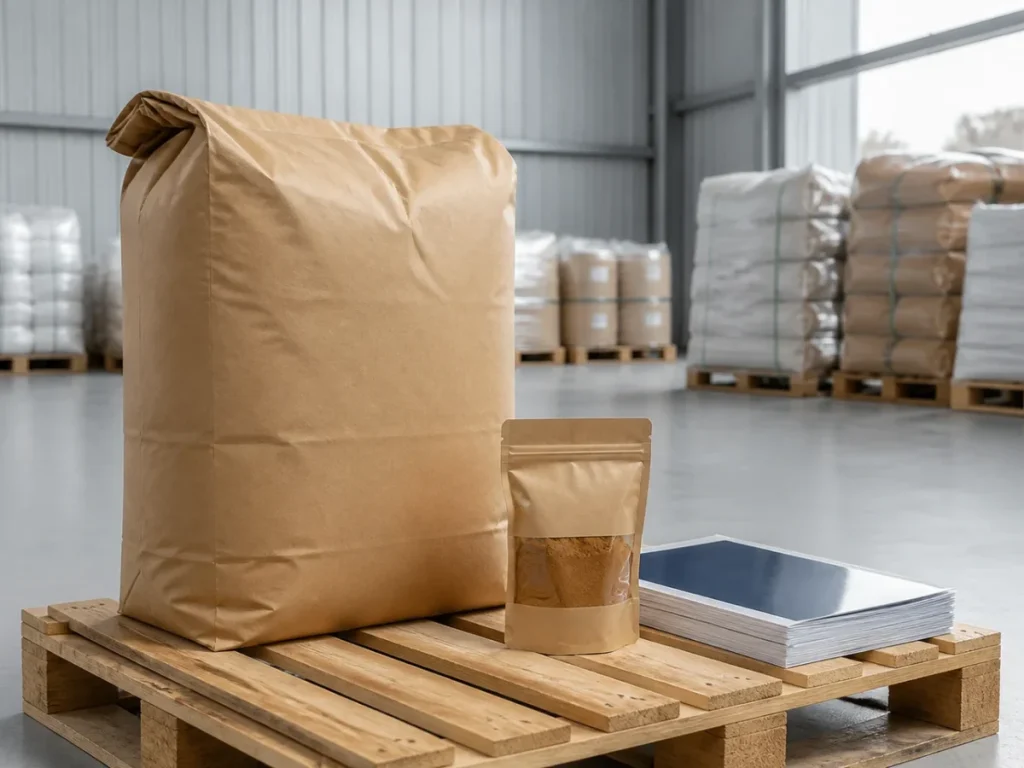
Pea Protein Specification for B2B Buyers
A Pea Protein specification should help procurement and QA teams decide whether the offered raw material fits the project before sample approval or bulk purchase. For B2B buyers, the specification is not just a document attachment. It is the technical basis for supplier comparison, sample testing, COA review, quotation approval, formulation planning and reorder control.
Do not compare pea protein suppliers by product name only. Compare the specification, COA, assay basis, sample performance and document scope together.
For commercial sourcing, procurement teams can review the Pea Protein supplier page and request the current specification, COA and sample support according to the target application. This article supports the core page by helping buyers prepare better technical questions before sending an RFQ.
What a Pea Protein Specification Should Confirm
Before shortlisting suppliers, confirm the technical requirement behind the purchase. Some projects may need a standard plant protein powder, while others may need a defined protein content, mesh size, dispersibility note, carrier preference or additional document support for the destination market.
A useful specification should answer these questions:
What protein content target is required for this project?
Is the material described as isolate, concentrate or another grade?
Can the supplier provide a current specification sheet?
Which appearance and color range should the buyer expect?
Is particle size or mesh information available?
How does the powder behave in water or in a blend?
Are moisture and ash included in the specification?
Which heavy metals and microbiology items are listed?
Can the supplier provide a batch-specific COA?
Will the packing format suit the buyer’s warehouse or contract manufacturer?
If the supplier cannot explain the specification basis clearly, the buyer should slow down before approving the sample or comparing price.
Protein Content and Product Grade
Protein content is one of the first fields buyers check. But protein content alone does not answer the sourcing question. A buyer also needs to know whether the grade is suitable for the formula, the document set and the production route.
A lower or higher protein target may affect handling, taste, texture, blending and the final commercial quote. If the project needs a certain protein level for internal formula design, that requirement should be written into the RFQ before sampling starts.
The buyer should ask the supplier to confirm the protein content basis before comparing price.
If the project involves a contract manufacturer or a beverage R&D team, the buyer should also ask how the product behaves in water and whether the available grade is suitable for the intended finished format. That is often more important than a simple product-name match.
Long-Tail Section: Pea Protein Specification Questions
Pea protein specification questions should focus on the exact material the buyer wants to approve. Buyers often ask about protein content first, but they should also ask whether the grade is isolate or concentrate, whether the COA is batch-specific and whether the physical profile supports the intended application.
A practical specification discussion may include:
Protein content target
Product grade
Appearance and color
Particle size or mesh information
Moisture
Ash
Dispersibility
COA scope
Storage condition
Packaging format
A good specification does not only define what the material is. It also tells the buyer how the material will behave in the formula and how the material will be documented.
For product-specific sourcing, return to the Pea Protein supplier page after this article and use the specification sheet to shape a more precise RFQ.
Particle Size, Mesh Size and Dispersibility
Particle size and dispersibility can affect the practical use of pea protein in formulations. The same ingredient may behave differently in beverage systems, dry blends or other finished formats. If the buyer is preparing a powder blend or RTD concept, physical behavior matters as much as assay.
A sample should be tested in the real formula, not only inspected in the bag.
Useful technical questions include:
How easily does the powder disperse in the intended system?
Is particle-size information available for the quoted grade?
Could the material create clumping or settling concerns?
Will the sample be suitable for the planned mixer or process?
Does the finished product require a different grade?
If a supplier cannot explain these points, the buyer may need more sampling or a more detailed technical discussion before moving forward.
Long-Tail Section: Pea Protein Mesh Size
Pea protein mesh size should be reviewed before bulk order confirmation when the finished format depends on smooth blending or consistent dispersion. A finer or coarser particle profile can change how the powder moves through a production line, especially in beverage and powder blend projects.
Mesh size is not just a technical line. It can affect handling, mixing and product consistency.
A useful RFQ can ask whether the supplier can provide particle-size information, whether the sample and commercial lot will match and whether the grade is suitable for the intended manufacturing process. If the buyer has a contract manufacturer, that team should be asked whether mesh size or bulk density needs to be listed in the brief.
COA Review for Pea Protein Buyers
A batch-specific COA should match the offered material. Procurement and QA teams can compare product name, batch number, protein content, appearance, moisture, ash, heavy metals, microbiology and storage condition with the specification sheet.
A COA is useful only when it belongs to the exact batch being quoted.
If the buyer receives a generic document, a document with a different grade name or a COA that does not match the sample, the supplier should clarify the difference before commercial approval. This is especially important when the buyer is moving from sample stage to pilot order stage.
Key COA items to check:
Product identity
Batch number
Protein content or assay result
Method note
Appearance
Moisture
Ash
Heavy metals
Microbiology
Storage condition
Shelf-life or retest note
Packaging information, if listed
For broader document review, buyers can use HERBSEA’s mushroom extract COA guide as a model for how a batch document should be read and organized, then keep this Pea Protein article as the source for plant protein sourcing decisions.
Sample Testing and Formulation Fit
Pea protein sample testing should be practical and connected to the intended finished format. A sample may pass document review but still need formulation testing. For beverage applications, the formulation team may evaluate dispersibility and mouthfeel. In powder blend projects, the buyer may check blend uniformity and appearance. Bar, sachet or dry-mix concepts may require additional handling or process review.
The sample test should answer the buyer’s manufacturing question, not only the purchasing question.
When a contract manufacturer is involved, the sample should be sent with the relevant specification and COA. That team may ask for additional information such as particle size, bulk density, moisture, allergen-related documentation or packing format. Collecting these questions before final quotation saves time later.
For U.S. dietary supplement projects, procurement teams may review the FDA’s general page on dietary supplements for regulatory background. For manufacturing quality-system context, buyers can also review 21 CFR Part 111, which covers current good manufacturing practice requirements for dietary supplements.
These references help buyers understand quality-system expectations, while supplier selection should still rely on the actual specification, COA, sample review and documentation provided for the selected material.
Long-Tail Section: Pea Protein Sample Testing
Pea protein sample testing should be tied to the actual product format. A beverage team may care about dispersibility and mouthfeel, while a powder-blend team may care about flow and visual consistency. A tablet or capsule concept may need a different handling review altogether.
The sample should be tested in the formula, not only on the receiving desk.
A sample review checklist can include:
Is the sample quantity enough for bench testing?
Has the supplier reviewed the intended application?
Will the sample represent the commercial lot as closely as possible?
Are the documents complete enough for QA review?
Can the supplier keep the same grade for repeat orders?
When these questions are answered clearly, the buyer can move from sample stage to commercial planning with much less risk.
Application Fit for Buyers
Pea Protein can be used in a range of formulation projects, but each application has a different technical question.
For beverage projects, the team may care about dispersibility and taste.
RTD concepts may require closer attention to process fit and stability review.
Powder blends often need flow, color and visual consistency checks.
Bars or dry mixes may require handling, texture and production-route review.
The right grade is the one that fits the actual product process.
Buyers should not assume that one pea protein grade will automatically suit every format. If the project moves from concept to scale-up, it is worth confirming whether the same specification can be held for commercial supply.
Long-Tail Section: Pea Protein for Beverage Formulation
Pea protein for beverage formulation should be reviewed with an eye toward dispersibility, taste, mouthfeel and process fit. Beverage formulators usually need more than a protein percentage. They need to know whether the powder behaves predictably in the formula, whether it fits the target mouthfeel and whether it can be sourced consistently for scale-up.
A supplier discussion can cover:
Can this grade be used in beverage formulation?
What sample quantity is appropriate for bench testing?
How does the powder disperse in the target system?
Which document scope is available?
Can the same grade be held for repeat orders?
This turns a simple product inquiry into a usable formulation discussion.
Supplier Comparison Scorecard
Procurement teams can compare supplier replies using a simple scorecard. Useful fields include product name clarity, specification match, COA completeness, sample availability, MOQ, packaging options, lead time, export document support and communication quality.
If a supplier replies with only a price and no specification detail, the quote may not be ready for serious comparison.
A more useful comparison sheet includes:
Product identity
Protein content target
Particle size or physical notes
COA scope
Sample timing
MOQ
Packaging
Lead time
Destination-country support
Communication quality
Unit price should be reviewed only after the technical basis is clear. A lower price is not helpful if the supplier cannot support the buyer’s documentation or supply needs.
Long-Tail Section: Pea Protein Supplier RFQ
A Pea Protein supplier RFQ should be specific enough for the supplier to match the buyer’s project. Instead of asking only “please quote Pea Protein,” buyers can ask for current specification, COA, sample availability, MOQ, packaging options, lead time and document support for the destination market.
A practical RFQ can say:
Please quote bulk Pea Protein powder for formulation use. We need current specification, batch COA, sample quantity options, protein content target, packaging format, lead time and export document support. The intended application is beverage, RTD, powder blend or another plant-protein project.
A better RFQ usually produces a better quote.
External References for Buyer Context
For neutral dietary supplement context, buyers may review the FDA’s dietary supplements resource. Research databases such as PubMed results for pea protein can support background review, but supplier pages should keep wording focused on raw material sourcing, specification review and formulation evaluation.
For quality-system context, buyers can use 21 CFR Part 111 as a regulatory reference. These authority links are included for buyer-side background and should not replace supplier-specific COA, specification and sample testing.
FAQ
What should buyers ask a Pea Protein supplier first?
Ask for the current specification, protein content, sample availability, batch-specific COA, MOQ, packaging options, lead time and available document scope. Share the application format and destination market so the supplier can reply accurately.
Should price be compared before specification?
No. Price should be compared after the buyer confirms that the offered grade, specification, sample and document package are similar.
Can HERBSEA support sample and COA review?
Buyers can send the target specification, sample quantity, application format and document checklist through the HERBSEA contact page so the team can review available sample and COA support.
How should buyers use this article with the core product page?
Use this article as the specification checklist and use the Pea Protein supplier page as the core inquiry page for product-specific sourcing support.
What if the COA does not match the sample?
Ask the supplier to clarify the batch, product name and document scope before moving forward. The sample, COA and specification should refer to the same material direction before commercial approval.
HERBSEA provides raw materials for B2B manufacturing and formulation use. The information on this page is for ingredient sourcing and specification review only. It is not medical advice and does not provide diagnosis, treatment, cure, prevention, dosage, or consumer use recommendations.