
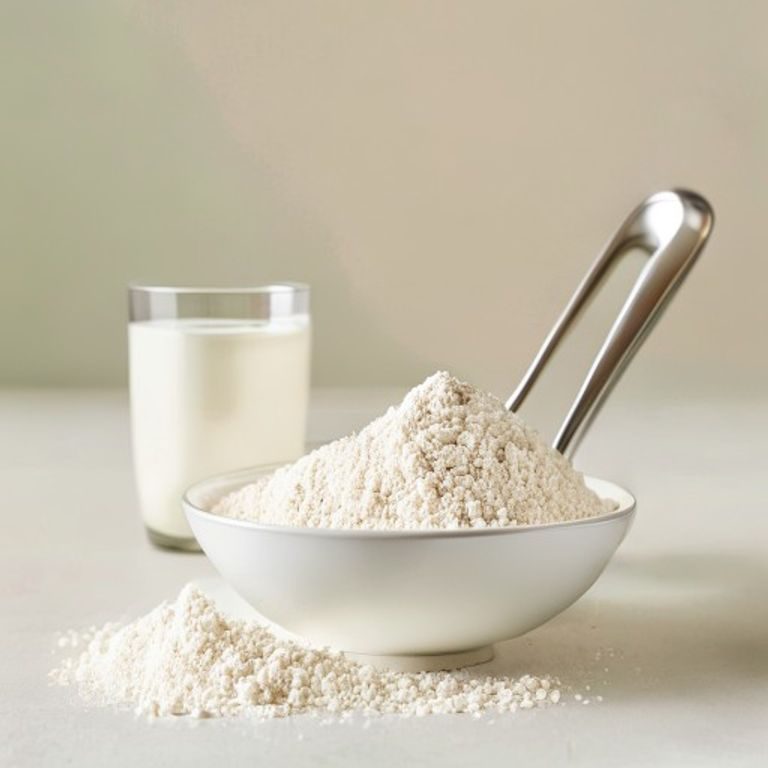
Pea protein isolate powder has become one of the most important plant-based protein ingredients for beverage brands. It is widely used in ready-to-drink protein shakes, dairy-free nutrition drinks, sports nutrition beverages, meal replacement products, and functional beverage concepts.
For brands developing RTD beverages, pea protein isolate offers several advantages: high protein content, vegan positioning, allergen-friendly appeal, and good compatibility with clean-label product concepts. But successful formulation depends on more than choosing a high-protein ingredient. RTD beverages require careful attention to solubility, dispersion, heat stability, pH, mouthfeel, sedimentation, flavor masking, microbial control, and supplier documentation.
A pea protein powder that works well in dry blends may not always perform well in a bottled beverage. For commercial projects, buyers need to evaluate both nutrition specifications and beverage processing behavior before placing a bulk order.
HERBSEA supplies pea protein powder for plant-based nutrition, beverage formulation, sports nutrition, and private-label applications.
Why Pea Protein Isolate Is Used in RTD Beverages
RTD protein beverages are growing because consumers want convenient nutrition formats. Instead of mixing powder at home, they can buy a finished drink with protein, flavor, texture, and functional positioning already built into the formula.
Pea protein isolate is especially suitable for plant-based beverage brands because it provides a strong protein level without using dairy or animal-derived ingredients. It can be used in vegan protein shakes, oat milk protein drinks, smoothie beverages, meal replacement drinks, and hybrid functional beverages.
For B2B buyers, pea protein isolate is attractive because it can support:
High-protein label claims
Plant-based and vegan positioning
Dairy-free product concepts
Sports nutrition beverages
Meal replacement drinks
Smoothie and shake formats
Private-label protein beverage projects
Compatibility with other botanical or functional ingredients
However, RTD applications are more technically demanding than powder blends. In a finished beverage, pea protein must stay dispersed, taste acceptable, withstand processing, and remain stable throughout shelf life.
Pea Protein Isolate vs Regular Pea Protein Powder
In commercial sourcing, buyers should distinguish pea protein isolate from lower-protein pea protein powders. Pea protein isolate usually contains a higher protein percentage and is more suitable for products where a strong protein claim is required.
Regular pea protein powder may be useful in some food or dry blend applications, but isolate is often preferred for RTD beverages because brands need efficient protein delivery with less non-protein material.
The main differences are protein concentration, flavor impact, dispersibility, texture, cost, and application performance. A higher-protein isolate may help reduce the total ingredient load in a beverage, but it still needs to be tested for mouthfeel and stability.
For beverage brands comparing multiple protein systems, HERBSEA’s guide on protein powder for beverage formulation can also help explain broader formulation considerations.
Key Challenges in RTD Pea Protein Beverages
Pea protein isolate is useful, but it is not a plug-and-play ingredient. The most common RTD beverage challenges include solubility, sedimentation, viscosity, flavor, heat processing, pH sensitivity, and shelf-life stability.
Solubility and Dispersion
Pea protein isolate does not behave like sugar or minerals that dissolve easily in water. It needs proper hydration, mixing, and formulation support. Poor dispersion can lead to clumping, chalky mouthfeel, floating particles, or sediment at the bottom of the bottle.
Formulators should test hydration time, shear conditions, water temperature, and order of ingredient addition. In many RTD systems, stabilizers or emulsifiers may be needed to improve suspension and texture.
Mouthfeel and Texture
Plant proteins can create a thicker or slightly gritty mouthfeel if particle size, hydration, and stabilizer systems are not optimized. A smooth RTD beverage requires balance between protein level, viscosity, sweetener system, fat source, flavor, and processing conditions.
The desired texture depends on the product format. A meal replacement shake may tolerate a thicker body, while a refreshing protein water or light plant-based beverage requires a cleaner mouthfeel.
Flavor Masking
Pea protein isolate can have earthy, beany, or bitter notes. These flavor characteristics are normal, but they must be managed carefully in finished beverages.
Chocolate, vanilla, coffee, matcha, berry, and cereal flavors are commonly used to balance plant protein notes. Sweeteners, salt, fat systems, and flavor modulators can also improve overall taste.
For clean-label brands, flavor masking may be more difficult because fewer additives are available. In that case, selecting the right pea protein isolate grade becomes even more important.
Heat Stability
Many RTD beverages require pasteurization, UHT processing, hot fill, or other microbial control steps. Protein behavior under heat is a major formulation issue.
Pea protein may denature, aggregate, thicken, or settle depending on heat exposure, pH, minerals, stabilizers, and total solids. Brands should test the ingredient under actual processing conditions instead of relying only on bench-top mixing.
pH Sensitivity
Protein performance changes with pH. Neutral and low-acid beverages behave differently. Acidic protein beverages are especially challenging because protein stability can be affected near certain pH ranges.
Before selecting pea protein isolate for an RTD project, formulators should confirm the target pH, flavor system, heat process, and desired shelf life.
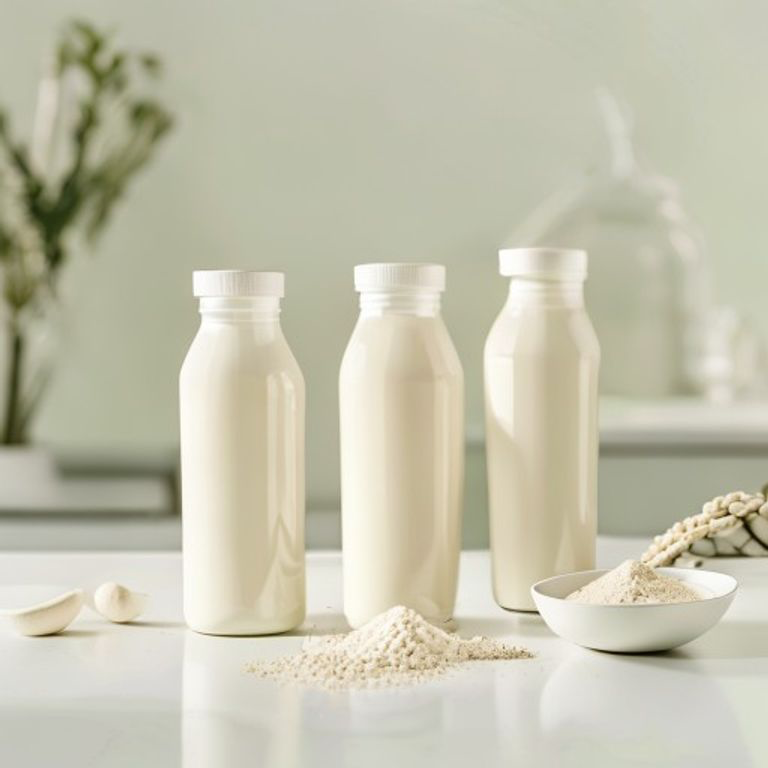
Important Specifications for Bulk Pea Protein Isolate Powder
For commercial purchasing, buyers should request a clear specification sheet and current batch COA. A supplier should be able to provide documentation that supports both nutrition targets and quality control.
Important specifications include:
Protein content
Particle size
Moisture
Ash
Fat
Carbohydrate
pH
Bulk density
Microbiology
Heavy metals
Allergen statement
Non-GMO statement if required
Pesticide residue information if relevant
Country of origin
Shelf life and storage conditions
Batch traceability
Protein content is important for nutrition formulation, but particle size, pH, and microbial quality are equally important for beverage performance. A high-protein material with poor dispersion or unstable flavor may create more problems than a slightly lower-protein material with better application performance.
Brands should also ask whether the supplier can provide samples for pilot testing before confirming a bulk order.
Pea Protein Isolate in Different RTD Beverage Systems
Pea protein isolate can be used in several beverage formats, but each format has different formulation priorities.
In plant-based protein shakes, the main concerns are texture, flavor masking, viscosity, and protein stability. These products often include oat milk, almond milk, coconut ingredients, cocoa, flavors, sweeteners, and stabilizers.
In sports nutrition beverages, the priorities are protein concentration, smooth mouthfeel, drinkability, and shelf-life stability. Brands may also need to balance amino acid profile, sweetness, and flavor intensity.
In meal replacement drinks, pea protein isolate is often combined with fibers, oils, vitamins, minerals, and carbohydrates. These systems are more complex, so sedimentation and viscosity must be tested carefully.
In smoothie-style beverages, pea protein can be paired with fruit powders, vegetable powders, fibers, and botanical ingredients. Acidity and heat processing become especially important.
In hybrid functional beverages, pea protein may be combined with ingredients such as matcha, cocoa, mushroom extracts, or plant fibers. In these formulas, interaction between protein and other active or color ingredients should be tested before scale-up.
HERBSEA also supplies other plant protein ingredients such as soy protein powder, chick pea protein powder, and mung bean protein for brands comparing different protein sources.
Pea Protein vs Soy Protein for Beverage Formulation
Pea protein and soy protein are both widely used in plant-based nutrition, but they offer different formulation and positioning advantages.
Pea protein is often chosen for vegan, dairy-free, and allergen-conscious products. It can work well in clean-label protein shakes and plant-based nutrition drinks.
Soy protein has a long history in food and beverage formulation and may offer strong functionality in some systems. However, some brands prefer pea protein because soy-free positioning is important for their target market.
The best choice depends on the finished product concept, protein target, allergen strategy, flavor system, texture requirement, cost structure, and market positioning.
For many RTD beverage brands, pea protein isolate provides a useful balance between protein content, plant-based appeal, and commercial availability.
How to Evaluate a Pea Protein Isolate Supplier
A good supplier should support both procurement and formulation. Bulk buyers should not make decisions based only on price per kilogram.
Before purchasing, ask the supplier:
Can you provide a current COA?
What is the protein percentage?
What is the typical particle size?
Is the material suitable for beverage applications?
Can you provide samples for RTD testing?
What are the microbiological limits?
Can you provide heavy metal data?
Is the material non-GMO?
What is the MOQ?
What is the lead time?
What packaging options are available?
Can you support repeat batch consistency?
For brands selling finished beverages in the U.S., labeling and nutrition claims should also be reviewed carefully. The FDA Food Labeling & Nutrition resource can help brands understand general labeling considerations.
Testing Before Commercial Production
Before moving to full production, brands should test pea protein isolate in the actual beverage system. Simple water dispersion tests are useful, but they are not enough.
Pilot testing should evaluate hydration, mixing order, heat processing, pH, viscosity, flavor, mouthfeel, sedimentation, color, microbial quality, and shelf-life behavior.
If the beverage contains oils, fibers, minerals, sweeteners, cocoa, matcha, fruit powders, or botanical extracts, those ingredients may change protein behavior. Testing the full formula is the only reliable way to confirm performance.
Brands should also keep reference samples from each batch of protein powder. This helps quality teams compare color, odor, taste, particle size, and beverage performance across repeat purchases.
FAQ
Is pea protein isolate suitable for RTD beverages?
Yes, pea protein isolate can be used in RTD beverages, but it must be tested for dispersion, mouthfeel, heat stability, pH compatibility, sedimentation, and shelf-life performance.
What protein content should buyers look for?
Many pea protein isolate products are selected for high protein content, but buyers should not evaluate protein percentage alone. Beverage performance, flavor, particle size, microbial quality, and documentation are also important.
Does pea protein isolate dissolve completely in water?
Pea protein isolate disperses and hydrates in water, but it may not behave like a fully soluble ingredient. Proper mixing, hydration, and stabilizer systems may be needed for smooth RTD beverages.
How can brands reduce the beany taste of pea protein?
Flavor masking can be improved through ingredient grade selection, flavor systems, sweeteners, salt balance, fat systems, cocoa, coffee, vanilla, fruit flavors, or other compatible ingredients.
What documents should a pea protein supplier provide?
A supplier should provide a specification sheet, COA, microbiology data, heavy metal information, allergen statement, non-GMO statement if required, shelf-life information, and batch traceability.
Source Pea Protein Isolate Powder for RTD Beverage Projects
Pea protein isolate powder is a strong ingredient option for RTD protein beverages, plant-based shakes, meal replacement drinks, smoothie beverages, and private-label nutrition products. But commercial success depends on selecting the right specification and testing the ingredient in the actual formula.
Beverage brands should evaluate protein content, flavor, particle size, dispersibility, heat stability, pH compatibility, microbiological quality, COA, MOQ, lead time, and batch consistency before bulk purchasing.
HERBSEA supplies pea protein powder for plant-based beverage, sports nutrition, and functional food applications. To request specifications, COA, samples, or a bulk quotation, please contact HERBSEA.
B2B Sourcing Takeaways
This guide is most useful when it is connected to a real purchasing brief. Buyers can use the topic as a starting point, then confirm protein target, particle size, flavor direction, dispersion, microbiology, moisture and packing format before sample approval. HERBSEA works with procurement, R&D and quality teams that need supplier communication, repeatable documentation and practical bulk order planning.
| Review step | Buyer action |
|---|---|
| Define requirement | Clarify the ingredient name, target specification, application format and expected order quantity. |
| Check documents | Request COA, specification sheet, available test data, packing details and export document support. |
| Test sample | Evaluate color, odor, solubility, particle size, flowability and formula compatibility in the intended process. |
| Plan purchase | Confirm MOQ, lead time, packaging, shipment terms, destination market and reorder expectations. |
RFQ Checklist for HERBSEA
- Target ingredient and preferred specification or assay range.
- Finished-product format and key processing requirements.
- Sample quantity, commercial volume estimate and requested packing format.
- Destination country and documents needed for internal quality review.
- Timeline for sample testing, purchase approval and first shipment.
For related ingredient options, review the Plant Protein category. To request a sample, COA or quotation, contact HERBSEA through the plant extract supplier contact page and include the details above so the team can match a suitable grade.
Supplier Comparison Notes
When comparing suppliers, avoid judging the page only by a broad ingredient name. A useful comparison should connect the specification with the intended application, document package and repeat order plan. Two materials with similar names can differ in assay method, particle size, carrier status, sensory profile, packing format and shipment readiness.
For a faster review, send the same RFQ details to each supplier and compare replies side by side. Look for clear answers on available grades, sample timing, COA fields, MOQ, lead time, export documents and whether the supplier can keep future batches aligned with the approved sample. This gives procurement and quality teams a practical basis for shortlisting.
Because ingredient pages can be revisited during later purchasing cycles, keep notes on the approved specification, supplier response, internal sample result and any requested document updates. Those notes make it easier to reopen the project, compare a replacement material or brief a new quality reviewer without starting the sourcing process from zero.
FAQ: Pea Protein Isolate Powder for RTD Beverages: Formulation, Stability and Bulk Sourcing Guide
Use it as a sourcing checklist before sample request or supplier comparison. Confirm the target specification, application format, quality documents, MOQ, lead time and packing requirements with HERBSEA.
B2B buyers commonly review the specification sheet, COA, assay method summary, microbiology and heavy metals data, packing details and available export document support.
Custom specification review may be available for qualified projects. Share the desired assay, physical requirements, application, order volume, destination market and document checklist before quotation.