
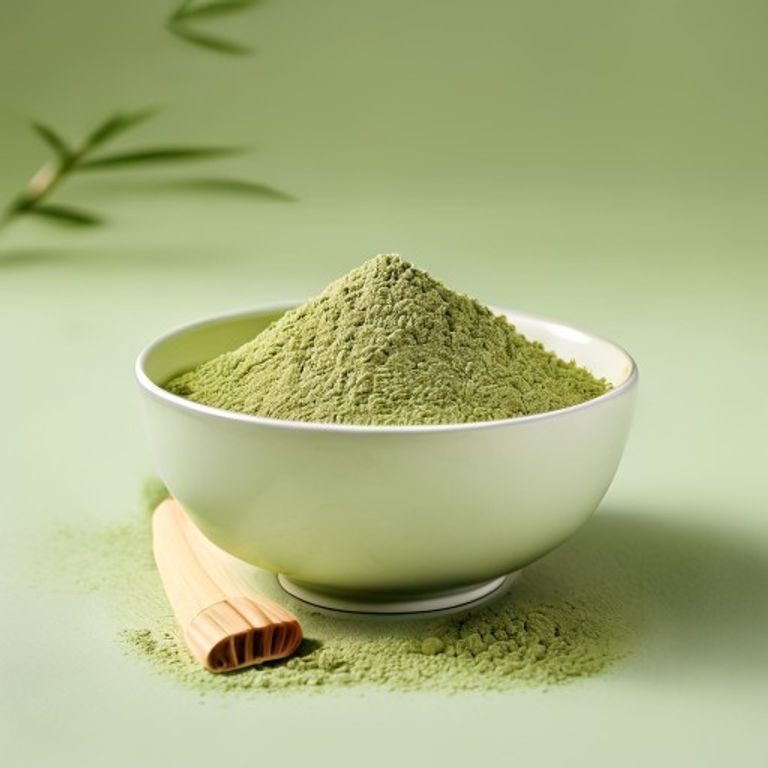
Organic matcha powder has moved beyond traditional tea culture and into a much broader functional beverage market. For beverage brands, it offers a natural green color, a recognizable tea identity, a clean-label story, and a familiar source of caffeine. It can be used in matcha latte mixes, RTD milk tea, smoothie powders, plant-based protein drinks, wellness beverage blends, bakery premixes, and private-label drink concepts.
For B2B buyers, however, sourcing matcha powder is not as simple as choosing a bright green powder with a pleasant flavor. The right matcha depends on grade, origin, particle size, color stability, flavor profile, dispersibility, microbiological quality, organic certification, and consistency between batches.
A premium-looking matcha may not always be the right choice for a commercial beverage formula. A ceremonial grade matcha can work well in high-end latte products, while a culinary grade matcha may offer better cost-performance in milk tea, protein drinks, bakery, and blended beverage powders. The key is to match the ingredient specification with the finished product.
For brands developing tea-based functional beverages, HERBSEA supplies bulk matcha powder for different formulation and sourcing needs.
What Makes Matcha Powder Different from Other Green Tea Ingredients?
Matcha powder is made from finely milled green tea leaves. Unlike brewed green tea or green tea extract, matcha contains the whole tea leaf in powdered form. This gives matcha its distinctive green appearance, fuller mouthfeel, and recognizable tea flavor.
This also means matcha behaves differently in beverage systems. It is not truly water soluble. Instead, it disperses in liquid and remains as a fine suspended powder. This distinction is important for formulators because a matcha beverage may require attention to sedimentation, mouthfeel, clumping, mixing method, stabilizers, and shelf-life testing.
For brands that need a fast-dissolving tea ingredient, instant green tea powder or cold soluble tea powder may be more suitable. For brands that want the identity, color, and sensory profile of whole-leaf matcha, organic matcha powder is usually the better choice.
Why Organic Matcha Powder Fits Functional Beverage Trends
Matcha fits several market directions at once. It is plant-based, familiar to consumers, visually distinctive, and suitable for premium product positioning. In many beverage concepts, matcha can function as both a flavor ingredient and a visual identity.
Common applications include matcha latte powder, RTD matcha milk tea, oat milk matcha drinks, plant protein beverages, smoothie blends, energy drink powders, and wellness-focused drink mixes.
For functional beverage brands, organic matcha powder is especially useful when the product needs:
A recognizable natural tea base
A clean green color
A mild caffeine source
A premium or Japanese-inspired positioning
Compatibility with milk, oat milk, soy milk, or protein systems
A stronger identity than standard green tea extract
However, the ingredient still needs to be tested in the actual formula. Matcha color can shift during processing and storage. Flavor can become more bitter in some systems. Powder may settle if the formulation does not support suspension. These are not reasons to avoid matcha, but they are reasons to source carefully and test before scaling.
Ceremonial Grade vs Culinary Grade Matcha
One common mistake in bulk sourcing is assuming ceremonial grade is always the best option. In consumer language, ceremonial grade often sounds more premium. In commercial formulation, the better question is: which grade fits the product?
Ceremonial grade matcha usually has a brighter green color, smoother flavor, finer texture, and lower bitterness. It is better suited for premium matcha lattes, high-end wellness powders, and products where matcha is the hero ingredient.
Culinary grade matcha usually has a stronger tea taste and a more economical price point. It can be a better fit for milk tea, bakery products, confectionery, smoothies, flavored drink powders, and protein beverages where other ingredients help balance bitterness and astringency.
For example, a premium unsweetened matcha latte may require a higher-grade powder to protect color and taste. A sweetened matcha milk tea or matcha protein drink may perform well with a carefully selected culinary grade matcha, especially if the formula includes milk solids, plant proteins, creamers, flavors, or sweeteners.
The goal is not to buy the most expensive matcha. The goal is to buy a matcha powder that performs consistently in the intended application.
Key Quality Specifications for Bulk Matcha Powder
When sourcing organic matcha powder in bulk, buyers should request a clear specification sheet and a batch COA. Appearance and taste are important, but they are not enough for commercial procurement.
Important quality points include origin, organic certification, appearance, particle size, moisture, ash, caffeine range, microbiology, heavy metals, pesticide residues, and batch traceability.
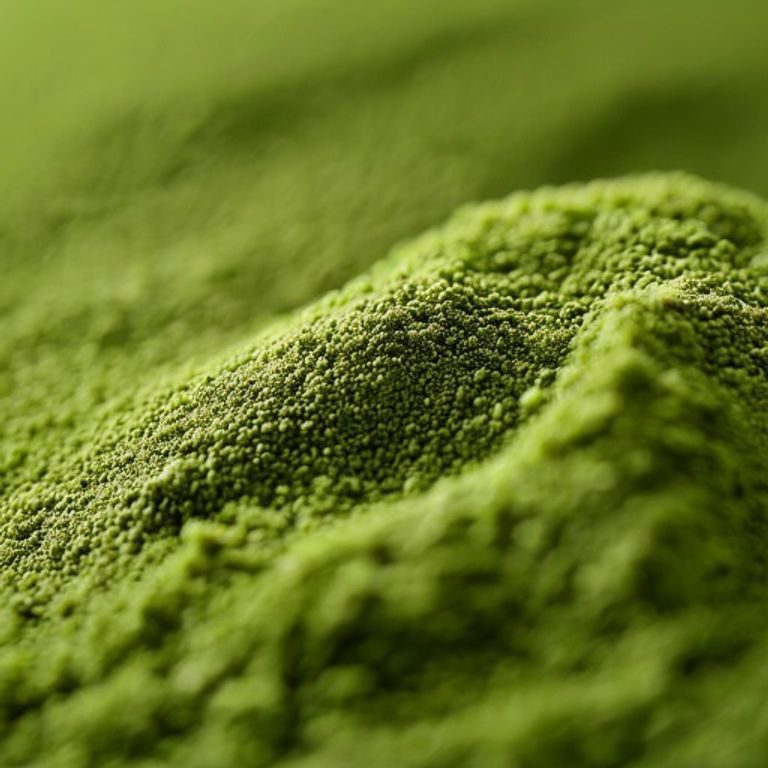
Particle size affects mouthfeel and dispersibility. A finer powder may feel smoother and disperse more evenly, while a coarser powder may settle more quickly or create a gritty texture.
Moisture is also important because matcha is sensitive to storage conditions. Excess moisture can affect shelf life, flowability, and microbial risk.
For organic products, certification documents should be reviewed carefully. Buyers planning to make organic claims should check supplier documentation against the relevant certification requirements, such as USDA Organic for the U.S. market.
Food and beverage brands should also confirm that the ingredient’s quality profile aligns with their market, product label, and finished-product testing requirements.
Color Stability and Dispersibility in Beverage Formulation
Color is one of matcha’s biggest selling points, but it is also one of the most sensitive parts of formulation. High-quality matcha is often associated with a vivid green color, but that color can be affected by raw material quality, oxygen exposure, light, heat, pH, and storage time.
In RTD beverages, formulators should test whether the green color remains stable after processing and during shelf-life storage. In powdered drink mixes, brands should evaluate whether the color remains attractive after blending with proteins, fibers, sweeteners, flavors, creamers, or fruit powders.
Dispersibility is another major factor. Since matcha powder is not fully soluble, it should be tested for clumping, sedimentation, and mouthfeel. A powder that looks excellent in dry form may still perform poorly in a cold beverage if it settles too quickly or creates an uneven texture.
This is especially important in plant-based beverages and protein drinks. Pea protein, soy protein, oat milk bases, stabilizers, and emulsifiers can all influence the final texture and suspension behavior. Before placing a large order, brands should test matcha powder in the real formula, not only in water.
Matcha Powder, Instant Green Tea Powder, or Green Tea Extract?
These three ingredients are related, but they serve different formulation goals.
Organic matcha powder is best when the product needs whole-leaf tea identity, green color, and an authentic matcha sensory profile. It is ideal for matcha latte, milk tea, smoothie blends, and premium drink powders.
Instant green tea powder is better when solubility and processing convenience are more important. It can work well in RTD tea, clear tea drinks, and fast-dissolving powder systems.
Green tea extract is more suitable when the product needs a standardized tea-derived ingredient, such as a polyphenol or EGCG-focused formula. It is commonly used in capsules, tablets, supplement blends, and functional formulations where active compound standardization matters more than matcha color or taste.
For beverage brands, the right choice depends on the product concept. A “matcha latte” should usually use matcha powder. A clear green tea drink may need instant tea powder. A supplement positioned around tea polyphenols may need green tea extract.
How Beverage Brands Should Evaluate a Matcha Powder Supplier
A reliable bulk matcha supplier should provide more than a price quotation. For commercial projects, buyers need documentation, sample support, quality consistency, and practical communication around application needs.
Before purchasing, ask whether the supplier can provide:
Product specification
Batch COA
Organic certificate if required
Microbiology results
Heavy metal test information
Pesticide residue information
Allergen statement
Non-GMO statement if needed
Sample for formulation testing
MOQ and lead time
Packaging options
Shelf-life and storage recommendations
For beverage developers comparing multiple tea ingredients, HERBSEA’s bulk instant tea powder supplier guide can also help with broader sourcing considerations.
A good supplier should also understand the difference between matcha for premium latte products and matcha for cost-sensitive blended applications. If the supplier only offers one grade without discussing application, formulation, color, and documentation, buyers should be cautious.
Application Ideas for Organic Matcha Powder
Organic matcha powder can support many product formats, but each format has its own formulation requirements.
In matcha latte powder, the main concerns are color, bitterness control, dairy or plant-based creamer compatibility, and smooth mouthfeel.
In RTD matcha milk tea, brands need to test heat exposure, color shift, sedimentation, and storage stability.
In plant-based matcha protein drinks, matcha must be evaluated together with proteins, stabilizers, flavors, and sweeteners. The formula may need extra work to balance bitterness and texture.
In smoothie powder blends, matcha can pair with fruit powders, greens powders, fibers, and plant proteins. Particle size and flavor balance are especially important.
In bakery and confectionery, culinary grade matcha is often preferred because the ingredient must withstand processing while keeping a desirable color and flavor.
For products sold in regulated markets, brands should also review labeling and claim requirements. The FDA Food Labeling & Nutrition resource is useful for companies preparing U.S. product labels.
FAQ
Is matcha powder water soluble?
No. Matcha powder is not truly water soluble. It is finely milled tea leaf powder, so it disperses in liquid rather than fully dissolving. Beverage brands should test sedimentation, mouthfeel, and suspension stability.
What grade of matcha is best for functional beverages?
It depends on the product. Ceremonial grade is often better for premium matcha drinks where color and smooth taste are critical. Culinary grade can be better for milk tea, bakery, smoothies, protein drinks, and flavored beverage powders.
Can organic matcha powder be used in RTD drinks?
Yes, but RTD applications require careful testing. Brands should evaluate processing temperature, pH, color stability, sedimentation, microbial quality, and shelf-life behavior before commercial production.
What documents should a bulk matcha supplier provide?
A supplier should provide a product specification, COA, organic certificate if applicable, microbiology data, heavy metal information, pesticide residue information, and batch traceability.
What is the difference between matcha powder and green tea extract?
Matcha powder is whole green tea leaf powder. Green tea extract is processed and often standardized for compounds such as tea polyphenols or EGCG. Buyers can review general green tea background from NIH NCCIH or scientific literature on green tea catechins.
Source Organic Matcha Powder for Your Beverage Project
Organic matcha powder can be a strong ingredient for functional beverages, but successful product development depends on choosing the right grade and specification. Buyers should evaluate color, flavor, particle size, dispersibility, organic documentation, COA, batch consistency, MOQ, lead time, and sample performance before placing a bulk order.
HERBSEA supplies bulk matcha powder for matcha latte, RTD milk tea, smoothie powders, plant-based beverages, bakery, confectionery, and private-label functional drink projects. To request specifications, COA, samples, or a bulk quotation, please contact HERBSEA.
B2B Sourcing Takeaways
This guide is most useful when it is connected to a real purchasing brief. Buyers can use the topic as a starting point, then confirm organic status, botanical source, extract ratio, carrier status, certification documents and batch COA review before sample approval. HERBSEA works with procurement, R&D and quality teams that need supplier communication, repeatable documentation and practical bulk order planning.
| Review step | Buyer action |
|---|---|
| Define requirement | Clarify the ingredient name, target specification, application format and expected order quantity. |
| Check documents | Request COA, specification sheet, available test data, packing details and export document support. |
| Test sample | Evaluate color, odor, solubility, particle size, flowability and formula compatibility in the intended process. |
| Plan purchase | Confirm MOQ, lead time, packaging, shipment terms, destination market and reorder expectations. |
RFQ Checklist for HERBSEA
- Target ingredient and preferred specification or assay range.
- Finished-product format and key processing requirements.
- Sample quantity, commercial volume estimate and requested packing format.
- Destination country and documents needed for internal quality review.
- Timeline for sample testing, purchase approval and first shipment.
For related ingredient options, review the Organic Plant Extract category. To request a sample, COA or quotation, contact HERBSEA through the plant extract supplier contact page and include the details above so the team can match a suitable grade.
Supplier Comparison Notes
When comparing suppliers, avoid judging the page only by a broad ingredient name. A useful comparison should connect the specification with the intended application, document package and repeat order plan. Two materials with similar names can differ in assay method, particle size, carrier status, sensory profile, packing format and shipment readiness.
For a faster review, send the same RFQ details to each supplier and compare replies side by side. Look for clear answers on available grades, sample timing, COA fields, MOQ, lead time, export documents and whether the supplier can keep future batches aligned with the approved sample. This gives procurement and quality teams a practical basis for shortlisting.
Because ingredient pages can be revisited during later purchasing cycles, keep notes on the approved specification, supplier response, internal sample result and any requested document updates. Those notes make it easier to reopen the project, compare a replacement material or brief a new quality reviewer without starting the sourcing process from zero.
FAQ: Organic Matcha Powder for Functional Beverages: Grade, Color, Dispersibility and Bulk Sourcing
Use it as a sourcing checklist before sample request or supplier comparison. Confirm the target specification, application format, quality documents, MOQ, lead time and packing requirements with HERBSEA.
B2B buyers commonly review the specification sheet, COA, assay method summary, microbiology and heavy metals data, packing details and available export document support.
Custom specification review may be available for qualified projects. Share the desired assay, physical requirements, application, order volume, destination market and document checklist before quotation.