
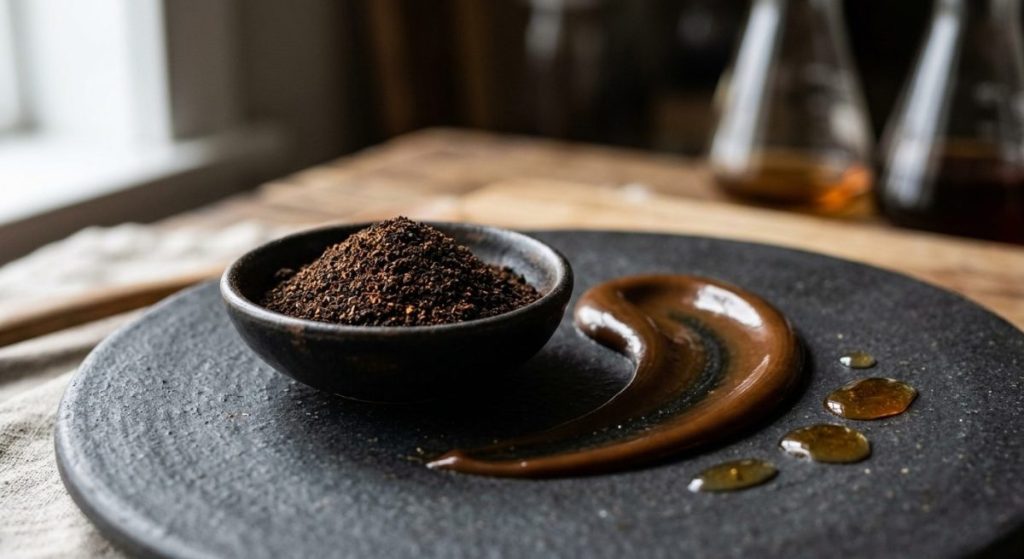
Black tea flavor powder and real black tea powder are not the same ingredient. For beverage and food manufacturers, the difference affects sensory design, ingredient declaration, specification review, sample testing and supplier communication.
Real black tea powder is selected when a formulation needs tea solids, tea color, tea character and a tea-based ingredient identity. Black tea flavor powder is usually selected when a formula needs stronger aroma direction, a specific flavor note or a flavor system that supports a finished product concept.
HERBSEA supplies instant black tea powder for B2B beverage, dry mix and food formulation projects. Buyers can review specification, COA, sample performance, solubility, particle size, packaging and RFQ details before confirming a bulk order.
Quick Buyer Answer
Choose real black tea powder when the finished product needs a tea base ingredient with black tea color, tea solids and application performance.
Choose black tea flavor powder when the finished product needs a designed flavor note, stronger aroma impact or a flavor system that complements another tea base.
Do not compare the two ingredients as direct substitutes without testing. They may solve different formulation problems, and they may create different labeling and documentation questions.
What Real Black Tea Powder Means
Real black tea powder usually refers to a powder made from black tea material or black tea extract that has been processed into a powder format. In B2B sourcing, buyers may use terms such as instant black tea powder, soluble black tea powder, black tea base powder or black tea extract powder depending on the supplier and process.
For beverage and food projects, real black tea powder may provide:
- Tea solids and black tea character
- Cup color or food color contribution
- Tea base identity for formulation
- Solubility or dispersion performance
- Sensory balance in milk tea, RTD tea, dry mix, bakery or dessert systems
- Batch documentation such as specification sheet and COA
If buyers are comparing tea base types, HERBSEA’s black tea powder vs black tea extract guide explains when an instant tea powder or marker-led extract powder may fit a project.
What Black Tea Flavor Powder Means
Black tea flavor powder usually refers to a flavor system designed to deliver black tea aroma or a black-tea-style sensory note. It may use carriers, flavoring ingredients and other formulation aids depending on the supplier’s design.
For food and beverage R&D teams, black tea flavor powder can be useful when the base formula already has structure and color, but the finished product needs a more defined aroma profile. It may also help when a product concept requires a stable flavor direction after processing.
However, buyers should clarify what the material is. A flavor powder is not automatically a tea ingredient, and a tea powder is not automatically a flavor system. The supplier should explain the product identity, application fit, carrier system, declaration support and documentation package.
For US-market projects, buyer-side teams can review 21 CFR 101.22 on spices, flavorings, colorings and chemical preservatives during early label planning. FEMA also maintains a practical flavor labeling resource that points back to FDA flavor-labeling rules.
Decision Table for Buyers
| Buyer question | Real black tea powder | Black tea flavor powder |
|---|---|---|
| Main purpose | Tea base, tea solids, color and tea character | Aroma direction and flavor-system support |
| Typical use | Milk tea, RTD tea, iced tea, bakery, chocolate, dessert and dry mix | Beverage, confectionery, bakery, dessert and flavored powder systems |
| Color contribution | Often contributes tea color | May or may not contribute meaningful color |
| Ingredient identity | Usually tied to tea material or tea extract | Usually tied to flavoring system and carrier |
| COA review | Focuses on tea powder specification and batch data | Focuses on flavor specification, carrier and declaration support |
| Sensory test | Taste, color, sediment, solubility and formula performance | Aroma impact, flavor stability and compatibility |
| Label review | Tea ingredient wording depends on material and market | Flavor declaration depends on flavor type and market |
| Best buyer question | Does this tea powder fit the finished application? | What flavor system and declaration support does this material require? |
This table helps buyers avoid a common sourcing mistake: asking for a “black tea powder” when the project actually needs a flavor system, or asking for a “black tea flavor” when the formula needs a real tea base.
When Real Black Tea Powder Is the Better Starting Point
Real black tea powder is usually the better starting point when the finished product needs a recognizable tea ingredient role. It can support both sensory and technical formulation needs.
Buyers often evaluate real black tea powder for:
- Milk tea and bubble tea bases
- RTD black tea and iced tea
- Dry mix sachets and vending drink powders
- Bakery and dessert applications
- Chocolate or cream filling concepts
- Foodservice beverage powders
- Products where a tea base is part of the ingredient strategy
If the project is beverage-focused, buyers can compare HERBSEA’s instant black tea powder for milk tea article and cold soluble tea powder article before selecting samples.
When Black Tea Flavor Powder May Be the Better Fit
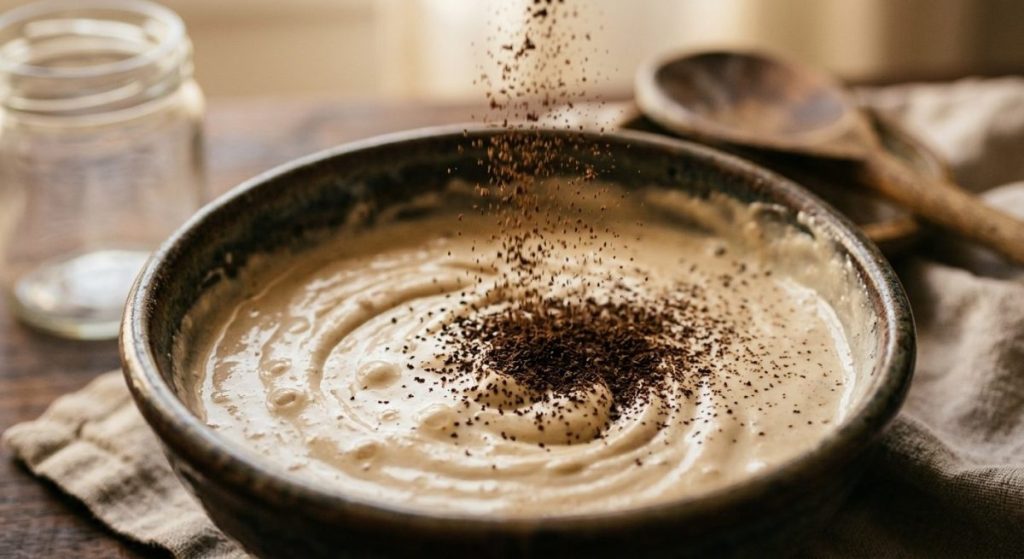
Black tea flavor powder may be useful when a product already has a base ingredient system but needs a stronger or more targeted flavor direction. For example, a chocolate filling, protein drink, dessert mix or bakery product may need a black-tea-style aroma that remains clear after heat, fat, dairy or sweetener systems.
Buyers may consider black tea flavor powder when:
- A real tea powder gives enough color but not enough aroma
- The formula needs a specific black tea, milk tea, lemon tea or dessert-style note
- The project needs flavor stability through processing
- The base formula already has tea solids from another ingredient
- A multi-ingredient premix needs aroma adjustment
The buyer should still request flavor documentation and market-specific label support. FEMA’s Q&As on flavor safety and labeling can help R&D and regulatory teams understand flavor-system conversations, but final label decisions should stay with the brand owner, importer or local advisor.
Can Buyers Use Both Together?
Yes. Many beverage and food projects may evaluate both a real tea powder and a flavor powder. In that case, the tea powder provides the base note, color and tea character, while the flavor powder helps adjust aroma direction.
This approach can be useful in:
- Milk tea powder with a stronger aroma target
- Lemon black tea dry mix
- Chocolate or dessert products where tea flavor competes with cocoa, fat or dairy
- Vending drinks that need repeatable cup aroma
- Bakery products where heat process reduces the tea note
The buyer should define which ingredient performs which role. Otherwise, the formula can become hard to troubleshoot during sample testing.
Application Fit by Product Type
| Finished product | Real black tea powder role | Black tea flavor powder role |
|---|---|---|
| Milk tea | Tea base, color and body | Aroma adjustment or style direction |
| RTD tea | Tea base and beverage identity | Flavor top note or profile adjustment |
| Dry mix sachet | Tea solids and cup color | Stronger aroma after reconstitution |
| Bakery | Tea character in dough or filling | Aroma support after heat processing |
| Chocolate | Tea identity and color in filling or coating | Flavor direction against cocoa and fat |
| Dessert powder | Tea base and prepared color | Profile adjustment in dairy or starch systems |
For food-specific applications, HERBSEA’s black tea powder for bakery, chocolate and dessert applications guide explains particle size, heat process and food-matrix testing in more detail.
Specification and Documentation Differences
Real black tea powder and black tea flavor powder should not share one generic document checklist. Buyers need to request the right documents for the material type.
For real black tea powder, request:
- Product name and tea base description
- Appearance, color and odor
- Solubility or dispersion notes
- Particle size or mesh range
- Moisture limit
- Caffeine or tea solids information, if specified
- Microbiological limits
- Heavy metals limits
- Packaging format and storage conditions
- Batch COA
For black tea flavor powder, request:
- Flavor type and application direction
- Carrier or base system information, where available
- Declaration support for buyer-side review
- Solubility or dispersibility in the target matrix
- Heat, cold, dairy, fat or dry blend application notes
- Allergen-related statement, if applicable
- Specification and batch documentation
- Packaging and storage information
For broader international additive and flavor-related review, buyers may use the Codex General Standard for Food Additives database as an early reference point. Final use and label review should follow the destination market’s requirements.
Label and Ingredient Declaration Questions
The label review path can differ significantly. Real black tea powder may be reviewed as a tea-derived ingredient, while black tea flavor powder may require flavor-related declaration language. A product that tastes like black tea is not automatically made with real black tea powder.
Buyers should ask:
- Is the material a tea powder, tea extract powder, flavor powder or premix?
- Does the material contain a carrier?
- Does the supplier provide declaration support?
- Does the destination market require natural or artificial flavor review?
- Will the finished product name imply real tea content?
- Does the final formula combine tea powder and flavor powder?
For US-market label planning, the FDA Food Labeling Guide can support buyer-side review. The brand owner, importer or local regulatory advisor should confirm finished product label wording.
Sample Testing Workflow
A fair sample test should define the role of each ingredient before the test begins.
- Define the finished product: beverage, dry mix, bakery, chocolate, dessert or foodservice formula.
- Decide whether the project needs a tea base, a flavor system or both.
- Test real black tea powder for color, tea strength, solubility, sediment and formula performance.
- Test black tea flavor powder for aroma profile, process stability and matrix compatibility.
- Compare results in the actual finished formula, not only in water.
- Review specification, COA, carrier information and declaration support.
- Confirm whether the supplier can support bulk packaging, MOQ and lead time.
- Request an adjusted grade or flavor direction if the first sample is close but not aligned with the target.
This workflow keeps the R&D discussion clear. It also helps procurement avoid comparing two materials with different functions as if they were identical.
Supplier Questions to Ask
| Review point | Better supplier response | Weak supplier response | Buyer action |
|---|---|---|---|
| Product identity | Clearly explains whether the material is tea powder, extract, flavor powder or premix | Uses broad names without material definition | Ask for product identity before price comparison |
| Application fit | Connects the sample to beverage, bakery, chocolate, dessert or dry mix use | Sends one generic sample for all applications | Share the finished product and process |
| Flavor role | Explains whether the material provides base tea character or aroma adjustment | Treats tea powder and flavor powder as the same | Define the ingredient role in the formula |
| Documentation | Provides specification, COA and declaration support where applicable | Provides only a sales description | Request documents before sample approval |
| Matrix testing | Discusses hot, cold, fat, dairy or dry blend compatibility | Suggests water tasting only | Test in the real finished formula |
| Packaging and supply | Gives clear MOQ, packaging and lead time | Quotes price without supply details | Include quantity and destination market in the RFQ |
RFQ Details to Send
To help HERBSEA recommend the right material, buyers can send:
- Finished product type
- Whether the project needs tea powder, flavor powder or both
- Target tea strength, aroma direction and color
- Hot, cold, dry blend, dairy, fat or bakery process
- Desired solubility or particle size
- Ingredient declaration questions
- COA and specification requirements
- Packaging format
- Estimated order quantity
- Destination market
- Sample request details
If the buyer still needs a broad supplier checklist, HERBSEA’s bulk instant tea powder supplier guide gives a procurement framework for samples, MOQ, packaging and quotation review.
FAQ
Is black tea flavor powder the same as black tea powder?
No. Black tea powder is usually a tea-derived powder or tea base ingredient. Black tea flavor powder is usually a flavor system designed to deliver a black-tea-style aroma or flavor note.
Which one should a beverage brand choose?
The answer depends on the formula role. If the project needs tea solids, color and tea base identity, start with real black tea powder. If the project needs aroma adjustment or a specific flavor note, evaluate a flavor powder.
Can black tea powder and black tea flavor powder be used together?
Yes. Some projects use real black tea powder as the base and flavor powder to adjust aroma. Buyers should define each ingredient’s role before sample testing.
What should buyers ask before ordering black tea flavor powder?
Buyers should ask about flavor type, carrier system, application fit, declaration support, allergen-related information if applicable, specification, packaging, MOQ and lead time.
Does real black tea powder work better for bakery and dessert applications?
It depends on the target formula. Real black tea powder may support tea character and color, while flavor powder may help aroma stand out after heat, fat or dairy processing. Buyers should test both in the actual food matrix.
Request Black Tea Powder Specifications and Samples
HERBSEA supplies bulk instant black tea powder for beverage, dry mix, bakery, chocolate, dessert and food formulation projects. B2B buyers can compare real black tea powder with flavor-system requirements by reviewing specification, COA, sample performance, packaging, MOQ and lead time before quotation.
To source black tea powder or clarify whether your project needs a tea base, flavor direction or both, send your finished product brief through the HERBSEA contact page.
B2B Sourcing Takeaways
This guide is most useful when it is connected to a real purchasing brief. Buyers can use the topic as a starting point, then confirm tea powder solubility, color, taste profile, caffeine direction, processing fit, packing and COA review before sample approval. HERBSEA works with procurement, R&D and quality teams that need supplier communication, repeatable documentation and practical bulk order planning.
| Review step | Buyer action |
|---|---|
| Define requirement | Clarify the ingredient name, target specification, application format and expected order quantity. |
| Check documents | Request COA, specification sheet, available test data, packing details and export document support. |
| Test sample | Evaluate color, odor, solubility, particle size, flowability and formula compatibility in the intended process. |
| Plan purchase | Confirm MOQ, lead time, packaging, shipment terms, destination market and reorder expectations. |
RFQ Checklist for HERBSEA
- Target ingredient and preferred specification or assay range.
- Finished-product format and key processing requirements.
- Sample quantity, commercial volume estimate and requested packing format.
- Destination country and documents needed for internal quality review.
- Timeline for sample testing, purchase approval and first shipment.
For related ingredient options, review the Instant Tea Powder category. To request a sample, COA or quotation, contact HERBSEA through the plant extract supplier contact page and include the details above so the team can match a suitable grade.
Supplier Comparison Notes
When comparing suppliers, avoid judging the page only by a broad ingredient name. A useful comparison should connect the specification with the intended application, document package and repeat order plan. Two materials with similar names can differ in assay method, particle size, carrier status, sensory profile, packing format and shipment readiness.
For a faster review, send the same RFQ details to each supplier and compare replies side by side. Look for clear answers on available grades, sample timing, COA fields, MOQ, lead time, export documents and whether the supplier can keep future batches aligned with the approved sample. This gives procurement and quality teams a practical basis for shortlisting.
Because ingredient pages can be revisited during later purchasing cycles, keep notes on the approved specification, supplier response, internal sample result and any requested document updates. Those notes make it easier to reopen the project, compare a replacement material or brief a new quality reviewer without starting the sourcing process from zero.
FAQ: Black Tea Flavor Powder vs Real Black Tea Powder
Use it as a sourcing checklist before sample request or supplier comparison. Confirm the target specification, application format, quality documents, MOQ, lead time and packing requirements with HERBSEA.
B2B buyers commonly review the specification sheet, COA, assay method summary, microbiology and heavy metals data, packing details and available export document support.
Custom specification review may be available for qualified projects. Share the desired assay, physical requirements, application, order volume, destination market and document checklist before quotation.