
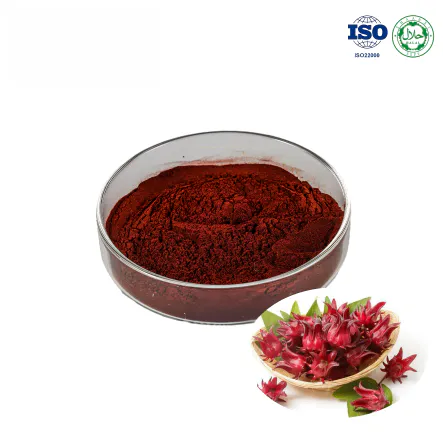
HERBSEA supplies bulk Hibiscus sabdariffa extract powder for B2B food, beverage, supplement and natural color formulation projects. Buyers often evaluate this ingredient for its red to purple-red appearance, botanical identity, anthocyanin specification, sour botanical profile, COA documentation and application fit in powder blends or beverage systems.
This page is written for sourcing managers, R&D teams, contract manufacturers and ingredient distributors that need a practical purchasing checklist. Before requesting a quote, confirm the target application, anthocyanin requirement, assay method, color expectation, sample quantity, destination market and required documents.
Hibiscus Sabdariffa Extract Specification Overview
| Product Name | Hibiscus Sabdariffa Extract Powder |
| Common Name | Roselle Extract, Hibiscus Flower Extract |
| Botanical Source | Hibiscus sabdariffa |
| Plant Part | Flower / calyx, subject to batch specification |
| Appearance | Purple-red to red fine powder |
| Main Specification | Anthocyanins NLT 1.5%, or customized specification by project |
| Assay Method | HPLC or buyer-specified analytical method |
| Application | Beverage powder, tea drink, food color system, supplement powder blend and private label projects |
| Documents | Specification sheet, COA, packing details and available quality documents |
| Packaging | Bulk packing based on order requirement; inner food-grade bag with carton or drum options |
Exact values should be confirmed with the current specification and batch COA. If your formulation requires a specific color shade, acid stability, particle size, carrier preference or custom packing format, include those details in the RFQ.
Why Buyers Source Hibiscus Extract Powder
Hibiscus sabdariffa extract is valued in B2B formulation because it can provide a recognizable botanical identity, a red-purple color contribution and a tart flavor note. For beverage brands, powder drink developers and supplement manufacturers, the main purchasing question is whether the extract matches the target formula and documentation requirements.
Different grades may vary in color, carrier use, sourness, solubility, mesh size and assay target. Buyers should request a sample that matches the intended application instead of evaluating only a generic botanical extract. Color and taste should be tested in the actual formula because pH, minerals, sweeteners and other ingredients can change the final appearance.
Application Fit For Food And Beverage Projects
For beverage projects, hibiscus extract powder is often evaluated in tea drinks, fruit-flavored beverages, instant drink powders and botanical beverage concepts. The buyer should check color intensity, clarity, sediment, taste balance and compatibility with acid systems. If the formula needs a clean red tone, compare samples under the same pH and sweetener conditions planned for production.
For powder blends, flowability, particle size and color uniformity become important. The powder should be tested with the planned excipients, flavors and other botanical ingredients. If the project uses sachets, sticks or capsules, check bulk density and blending behavior before confirming the bulk order.
COA And Quality Document Review
A useful COA should clearly identify the product name, batch number, assay result, method, appearance, moisture or loss on drying, heavy metals, microbiology and any project-specific quality parameters. Buyers should confirm whether the COA belongs to the actual batch or is only a representative document.
When comparing suppliers, ask whether anthocyanins are reported by HPLC or another method, and whether the specification can be repeated for commercial batches. A lower price may not be the best choice if the supplier cannot provide reliable documentation, stable color, appropriate packing or clear lead time communication.
Sample Testing Workflow
- Define the target application, color expectation and specification requirement.
- Request a sample matched to the intended formula format.
- Record supplier grade, batch reference, COA and sample label.
- Test color, taste, solubility, sediment and blending behavior in the actual formula.
- Confirm whether the commercial batch will follow the same specification and packing format.
For commercial projects, keep the approved sample, COA, quotation and test notes together. This makes reorder review easier and helps the buyer avoid approving one grade while purchasing another.
Packaging, Storage And Shipment
Hibiscus extract powder should be protected from moisture, strong heat and unnecessary light exposure during storage and transport. Buyers should confirm net weight per package, inner bag material, carton or drum format, pallet information, storage condition and shipment documents before order confirmation.
For international shipments, share the destination country and required import documents early. If your warehouse or contract manufacturer has special receiving requirements, include those in the quotation request.
Related HERBSEA Resources
- Natural Blue Colorant Supplier Guide for buyers comparing botanical color systems.
- Plant Extract category for botanical extract sourcing options.
- Fruit Powder category for beverage and powder blend formulation projects.
- HERBSEA Sourcing FAQ for sample, MOQ, documents and shipment questions.
FAQ: Hibiscus Sabdariffa Extract Supply
Common purchasing specifications include anthocyanin content, appearance, moisture, particle size and microbiology. Exact values should be confirmed with the current specification and batch COA.
It can be evaluated for beverage powder and botanical drink concepts. Buyers should test color, taste, solubility and sediment in the actual formula before confirming a bulk order.
Buyers can request a specification sheet, COA, packing details and available quality documents based on the project requirement.
Compare assay method, color consistency, sample performance, COA completeness, particle size, packing, lead time and repeat supply capability, not only unit price.
Request Hibiscus Extract Specification And Quote
Send your target application, anthocyanin requirement, color expectation, sample quantity, destination country and document requirements to HERBSEA. Our team can review available Hibiscus sabdariffa extract powder specifications and provide sample or bulk quotation details for qualified B2B projects.
Supplier Decision Notes for Hibiscus Sabdariffa Extract Powder Supplier
This product page should help a buyer move from general interest to a clear RFQ. Before asking for pricing, confirm the target specification, intended application, sample quantity, document requirements and shipment destination. HERBSEA can then respond with a practical sourcing route instead of a generic product name match.
| Decision point | What to verify |
|---|---|
| Specification fit | Review botanical source, active marker or extract ratio, assay method, particle size, appearance, moisture and batch documents against the purchasing brief. |
| Application fit | Confirm whether the material is intended for capsule, tablet, powder blend, beverage, functional food and private label projects. |
| Sample review | Test appearance, odor, color, solubility, particle size, flowability and formula compatibility before purchase approval. |
| Documentation | Check COA, specification sheet, available test data, packing details, shelf-life note and export document support. |
| Commercial readiness | Confirm MOQ, lead time, packaging, shipment terms, reorder plan and communication process with the supplier. |
How to Compare Supplier Replies
Send the same technical brief to each shortlisted supplier and compare replies in one sheet. Useful fields include available grade, assay method, sample timing, COA completeness, packing format, MOQ, lead time, export document support and whether the supplier can keep future batches aligned with the approved sample. This makes the decision easier for procurement, R&D and quality teams.
- Keep the approved sample code, batch number and COA in the purchasing file.
- Record internal sample feedback before requesting a commercial quotation.
- Confirm whether the same grade can support repeat orders or scale-up planning.
- Ask about packing, pallet information and shipment documents before order release.
Next Step for RFQ Preparation
For related ingredients, review the Plant Extract category. To request samples, COA or quotation support, use the HERBSEA contact page and include the product name, target specification, application format, estimated order quantity, destination country and document checklist. Clear RFQ details help the team match the right material and avoid unnecessary back-and-forth.
If the exact specification is not finalized, share the finished-product concept and any constraints such as solubility, taste, color, carrier preference, organic status, packing size or launch timeline. HERBSEA can review available options and suggest a sample direction for the buyer to evaluate internally.
Before releasing a purchase order, align the approved sample with the commercial batch record. The buyer can reference sample feedback, COA values, packing format, label details and shipment notes in the purchasing file. This reduces confusion during reorder communication and gives the supplier a clearer basis for maintaining consistency across future batches.