
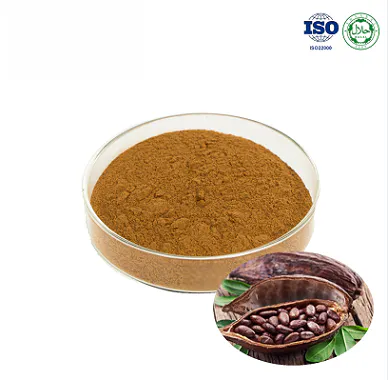
Cocoa Powder Procurement Review
For B2B sourcing, Cocoa Powder should be reviewed as a bulk botanical extract with a clear specification, sample plan and document checklist. HERBSEA supports procurement teams, supplement brands, beverage developers and private label buyers that need stable supply, batch documentation and responsive quotation communication.
| Buyer review area | What to confirm before ordering |
|---|---|
| Specification fit | Confirm botanical source, active marker or extract ratio, assay method, particle size, appearance and batch documents against your internal purchasing brief. |
| Sample evaluation | Check appearance, odor, flowability, blending behavior and process fit in the intended finished-product format. |
| Quality documents | Request COA, specification sheet, available test data, packing details and export document support before purchase approval. |
| Commercial planning | Confirm MOQ, lead time, packaging, shipment terms, destination market requirements and reorder expectations. |
Application Fit and Sample Testing
Common commercial applications for this ingredient include capsules and tablets, powder blends, functional food concepts, brand specification projects. Before approval, buyers should test the sample in the real formula or process instead of relying only on a name match. Color, taste, solubility, particle size, carrier selection and packing format can affect production handling and finished-product consistency.
- Define the target assay, extract ratio or physical specification needed by the project.
- Share the finished-product format so HERBSEA can recommend a practical sample direction.
- Review COA data, microbiology, heavy metals, moisture and packing information before purchase approval.
- Keep sample labels, batch numbers, quotation notes and document files together for reorder review.
Batch Consistency and Documentation
For repeat purchasing, the approved sample should connect clearly with the commercial batch. Procurement teams can keep a simple record that includes supplier item name, batch number, specification version, COA file, packing photo, sample feedback and final quotation. This makes reorder checks easier and helps the buyer confirm whether a later batch follows the same sourcing brief.
If your project has a custom requirement, share it before sample dispatch. HERBSEA can review whether the requested document set, packing format, label wording, shipment timing and sample quantity are practical for the selected botanical extract specification.
Related Sourcing Links
Compare related materials in the Plant Extract category, or send an RFQ through the contact plant extract supplier page. Include the product name, specification target, sample quantity, order volume, destination country and document requirements so the HERBSEA team can reply with the most relevant sourcing option.
FAQ: Cocoa Powder Bulk Supply
Share the target specification, application format, estimated order quantity, destination market, packaging preference, sample request and required documents. This helps HERBSEA match the material and quotation to the project.
Sample support and COA review are available for many qualified B2B projects. Buyers can confirm the grade, specification fit, packing format and document set before moving to a commercial order.
Compare identity, assay method, specification range, batch consistency, particle size, documentation, MOQ, lead time, packaging and communication quality. Unit price should be reviewed together with these sourcing factors.
Supplier Decision Notes for Cocoa Powder
This product page should help a buyer move from general interest to a clear RFQ. Before asking for pricing, confirm the target specification, intended application, sample quantity, document requirements and shipment destination. HERBSEA can then respond with a practical sourcing route instead of a generic product name match.
| Decision point | What to verify |
|---|---|
| Specification fit | Review botanical source, active marker or extract ratio, assay method, particle size, appearance, moisture and batch documents against the purchasing brief. |
| Application fit | Confirm whether the material is intended for capsule, tablet, powder blend, beverage, functional food and private label projects. |
| Sample review | Test appearance, odor, color, solubility, particle size, flowability and formula compatibility before purchase approval. |
| Documentation | Check COA, specification sheet, available test data, packing details, shelf-life note and export document support. |
| Commercial readiness | Confirm MOQ, lead time, packaging, shipment terms, reorder plan and communication process with the supplier. |
How to Compare Supplier Replies
Send the same technical brief to each shortlisted supplier and compare replies in one sheet. Useful fields include available grade, assay method, sample timing, COA completeness, packing format, MOQ, lead time, export document support and whether the supplier can keep future batches aligned with the approved sample. This makes the decision easier for procurement, R&D and quality teams.
- Keep the approved sample code, batch number and COA in the purchasing file.
- Record internal sample feedback before requesting a commercial quotation.
- Confirm whether the same grade can support repeat orders or scale-up planning.
- Ask about packing, pallet information and shipment documents before order release.
Next Step for RFQ Preparation
For related ingredients, review the Plant Extract category. To request samples, COA or quotation support, use the HERBSEA contact page and include the product name, target specification, application format, estimated order quantity, destination country and document checklist. Clear RFQ details help the team match the right material and avoid unnecessary back-and-forth.
If the exact specification is not finalized, share the finished-product concept and any constraints such as solubility, taste, color, carrier preference, organic status, packing size or launch timeline. HERBSEA can review available options and suggest a sample direction for the buyer to evaluate internally.
Before releasing a purchase order, align the approved sample with the commercial batch record. The buyer can reference sample feedback, COA values, packing format, label details and shipment notes in the purchasing file. This reduces confusion during reorder communication and gives the supplier a clearer basis for maintaining consistency across future batches.