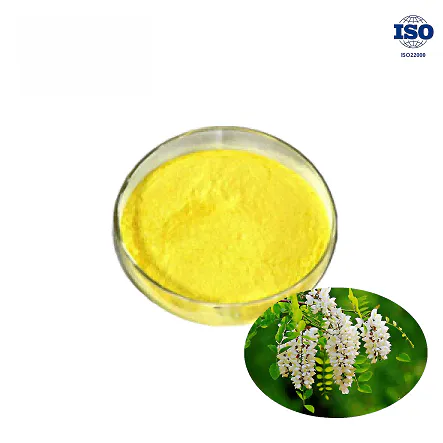
Quercetin
Chemical Formula: C₁₅H₁₀O₇
Molecular Weight: 302.236
CAS No.: 117-39-5
EINECS: 204-187-1
Alias: Oak extract, Quercetin Flavonoid, Pentahydroxyflavonoid, 2-(3,4-Dihydroxy)
Appearance: Yellow needle-like crystalline powder
Flash Point: 248.1℃
Melting Point: 314–317℃
Category: Widely distributed flavonol compound with diverse biological activities
Introduction Of Quercetin
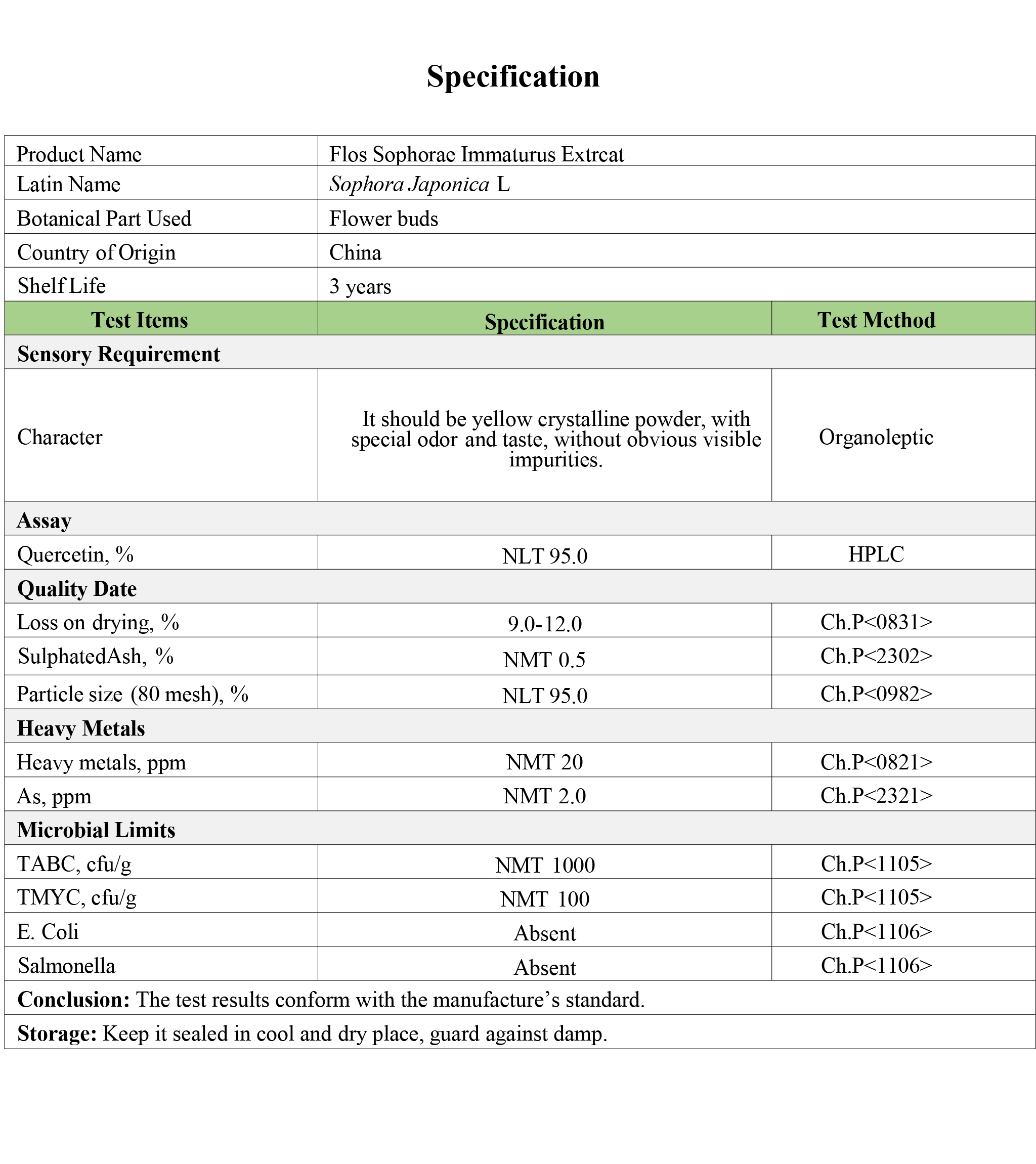
Function Of Quercetin
-
Powerful Antioxidant Effect
Quercetin is a strong natural antioxidant, and its antioxidant capacity is 50 times that of vitamin E and 20 times that of vitamin C. Relevant studies have confirmed that quercetin exerts a significant antioxidant effect in the human body: it has a good scavenging effect on superoxide anion, hydroxyl radical and singlet oxygen, and this scavenging effect shows an obvious dose-effect relationship, which can effectively reduce oxidative damage to cells.
-
Potent Anti-inflammatory Effect
Quercetin exerts anti-inflammatory effects through multiple pathways: it can regulate the NF-κB signaling pathway to reduce the release of inflammatory mediators, inhibit the generation and gene expression of TNF-α as well as the gene expression of other inflammatory mediators. In addition, its inherent antioxidant effect can further assist in alleviating the body’s inflammatory response, achieving a synergistic anti-inflammatory effect.
-
Cardiovascular System Protection
Quercetin plays a comprehensive protective role in the cardiovascular system: it can inhibit the release of endothelin and reduce vascular tension, thereby helping to lower blood pressure; it can reduce the incidence of myocardial infarction and mortality, and also has the function of lowering blood sugar; it can inhibit the increase of total protein content in cardiomyocytes caused by angiotensin Ⅱ, significantly improve the activity of SOD and reduce the content of MDA, thus exerting a significant preventive and therapeutic effect on cardiomyocyte hypertrophy; it can also inhibit the proliferation and hypertrophy of vascular smooth muscle cells and has anti-thrombotic properties, effectively reducing the risk of cardiovascular diseases.
-
Beneficial Effects On Respiratory Diseases
Quercetin has good expectorant, cough-relieving effects and a certain asthma-relieving effect, and has long been used in the adjuvant treatment of chronic bronchitis. Its protective effect on respiratory health is realized through multiple mechanisms such as regulating mucus secretion, resisting viruses, anti-fibrosis and anti-inflammation. In addition, quercetin has a wide range of anti-fibrotic effects, covering hepatic, pulmonary, cardiac and renal fibrosis. The mechanism of action is relatively complex, mainly including inhibiting fibroblast proliferation, suppressing collagen synthesis, preventing oxidative damage and inhibiting angiogenesis.