
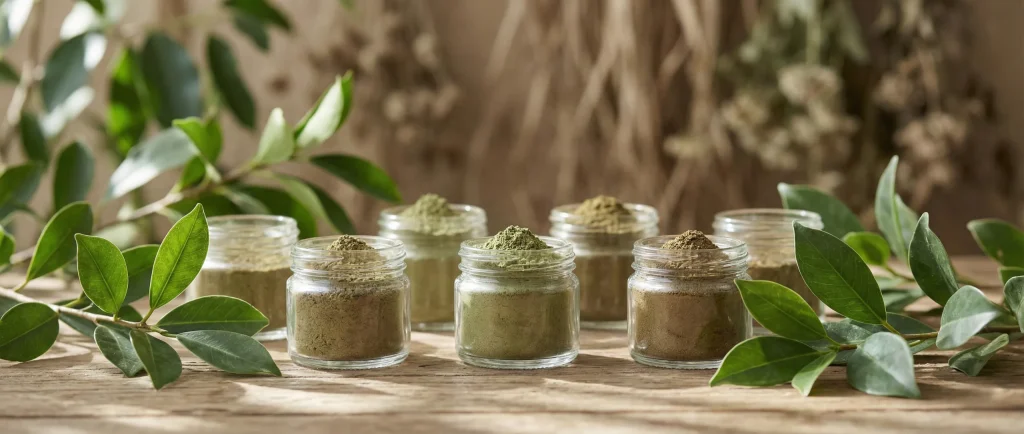
Need to source green tea extract without mixing up catechin, EGCG and caffeine specifications? Start with the finished-product requirement and COA method.
Green Tea Extract Product Path
Choose the Marker Target Before Comparing Price
Green Tea Extract buyers should confirm whether the RFQ needs a broad extract grade, EGCG 98%, L-Theanine or instant green tea powder.
Green tea extract is a B2B botanical ingredient supplied in multiple specification models for supplement, powder, gummy, food and selected beverage projects. The commercial decision is not simply whether a powder is called green tea extract. Buyers need to compare botanical identity, extract description, polyphenols, catechins, EGCG, caffeine, analytical methods, carrier, physical properties, quality files and application behavior.
Define Green Tea Extract Requirements
Write a sourcing brief before asking for price. Include the target marker model, minimum or range, caffeine requirement, method preference, finished format, application level, annual demand, destination market, package preference and required quality documents. State whether the project is a new formula, a replacement supplier or a match to an existing specification.
Separate essential requirements from preferences. A grade may need a specific EGCG range and caffeine maximum, while color or particle size can allow flexibility. Combining the strongest value from several unrelated technical sheets may create a custom specification that no standard grade supports. Ask suppliers to quote an existing grade first and identify any custom option separately.
Raw Material, Plant Part and Extract Description
Confirm the botanical name, plant part and extract description used by the supplier. Green tea extract is generally associated with Camellia sinensis leaf material, but the commercial file should state the supplier’s actual source and grade. The same information should appear consistently on the specification, ingredient statement, sample label and quotation.
If an extract ratio is provided, ask how it is defined and whether it is the primary commercial specification or supporting production information. Ratio alone does not replace marker assays, caffeine limits or quality tests. For standardized grades, the buyer should prioritize the agreed analytical values and methods that will control repeat supply.
Ask whether a carrier is used and how it affects the ingredient statement, assay density and physical properties. Two powders with the same headline catechin value can still differ in carrier, color, flow, taste and application level. Record carrier status in the supplier comparison sheet.
Green Tea Extract Specification Models
| Model | Primary control | Questions | Limit |
|---|---|---|---|
| Polyphenol-standardized | Total polyphenols | Which method, minimum and basis? | Does not define each individual catechin |
| Catechin-standardized | Total catechins or catechin profile | Which compounds are included and is EGCG separate? | Profiles and methods may differ |
| EGCG-standardized | Defined EGCG direction | What range, HPLC method and caffeine limit? | High EGCG alone does not confirm application fit |
| Decaffeinated extract | Tighter caffeine maximum | What caffeine method and marker retention? | Decaffeinated requires a numerical specification |
| L-Theanine green tea extract | L-Theanine range | How are L-Theanine, caffeine and identity controlled? | Not interchangeable with catechin-led extract |
Choose one primary model and add secondary limits needed by the formula. For example, an EGCG-standardized grade may also include total catechins and a caffeine maximum. Keep units, basis and methods consistent across the specification, COA and formulation calculation.
Catechins, EGCG and Analytical Methods
Catechins are a group of tea compounds, while EGCG is one specific catechin. Total catechin results depend on which compounds are included and how they are measured. Buyers should request the method name or reference, reporting basis, units and whether the result is tested on every batch.
HPLC is commonly used when individual catechins or EGCG must be separated and quantified. Other methods may be used for broader polyphenol specifications. The buyer should not assume values from different methods are directly interchangeable. For a supplier change, compare a shared sample or aligned method data before setting a narrow match range.
Review moisture and reporting basis because an as-is result and dry-basis result can differ. The formula calculation should use the same commercial basis as the approved specification. If the supplier changes method, ask whether historical and new results remain comparable.
Caffeine as a Grade-Selection Parameter
Caffeine can be specified as a maximum, range, minimum or report-only value. Select the model according to the complete formulation and other caffeine sources. Do not rely on the word low-caffeine or decaffeinated without a numerical limit and method.
A tighter caffeine grade may have different marker levels, sensory profile, carrier or production economics. Compare caffeine together with polyphenols, catechins and EGCG. Use the caffeine specification guide for COA wording and the decaffeinated supplier guide when a dedicated low limit is required.
COA and Specification Review
| Area | Specification question | COA evidence |
|---|---|---|
| Identity | Botanical source, plant part and extract description | Product name, code and appearance |
| Primary marker | Polyphenols, catechins, EGCG or L-Theanine range | Batch result and method |
| Caffeine | Maximum, range, minimum or report-only | Batch result and method |
| Physical data | Moisture, particle size, density or solubility where relevant | Batch or qualification result |
| Microbiology | Limits suitable for the application | Batch release results |
| Contaminants | Heavy metals, pesticides and residual solvents | Batch or supporting quality data |
| Traceability | Approved grade and revision | Lot, dates and authorization |
The specification is the repeat-supply agreement; the COA reports one lot. Review several recent COAs when process capability matters. Confirm which tests appear on every batch and which supporting files are provided periodically or on request.
Quality Documentation Package
- Current specification and recent batch COA.
- Ingredient statement and carrier declaration.
- Botanical identity and extract description.
- Analytical method information for key markers.
- Microbiology and heavy metal limits.
- Pesticide residue and residual solvent information according to requirements.
- Allergen, GMO and origin statements where needed.
- Safety data, packing, storage and shelf-life information.
- Change communication and document revision process.
Ask for documents early enough for quality and customer review. Separate standard supplier files from destination-specific or customer-specific requests. The finished-product owner and importer remain responsible for market and label decisions, while the ingredient supplier supports them with accurate material data.
Application Fit by Finished Format
Capsules and Tablets
Compare assay density, particle size, bulk density, flow, color and carrier. A concentrated grade may reduce formula space but behave differently during blending, filling or compression. Test the actual supplier grade with the contract manufacturer.
Powders, Gummies and Foods
Evaluate bitterness, astringency, color and interaction with acids, minerals, proteins, sweeteners and flavors. Use the intended process and record addition order, mixing and heat exposure. A passing assay specification does not guarantee acceptable sensory performance.
Beverages
Review solubility, clarity, sediment, pH interaction, color and taste. A marker-led extract is not automatically a complete tea beverage base. Compare instant green tea powder when tea identity and convenient preparation are primary.
Sample Qualification Workflow
- Screen the specification and document package before accepting samples.
- Confirm sample product code, lot, COA and quotation identity.
- Run matched samples in the complete formulation.
- Record physical, sensory and manufacturing observations.
- Retain the approved sample, formula and specification revision.
- Compare the first commercial lot with the pilot material.
- Trend critical assay and physical data across repeat orders.
For replacement suppliers, test current and proposed grades side by side. Mark which attributes must match and which can change. A similar assay does not guarantee the same color, carrier, flow or taste. Require final commercial documents and a representative grade sample before approval.
Supplier Replacement Workflow
- Collect the current approved specification, recent COAs, application record and retained sample.
- Identify essential marker, caffeine, method, carrier and physical requirements.
- Send the same match brief to candidate suppliers and require completed exceptions.
- Compare documents before requesting broad sample quantities.
- Run current and proposed grades side by side in the same formula and process.
- Review quality, application and commercial differences with the contract manufacturer.
- Approve a new product code, specification and reference sample before switching purchase orders.
A replacement should solve a defined supply, quality, cost or service requirement. Record the reason for change and the evidence used to approve the new grade. If the proposed material requires formula or label changes, manage those as part of the project rather than describing the ingredient as a direct match.
Incoming Quality and Batch Trend Review
At receipt, verify product code, lot, package condition, quantity and COA against the purchase order. Confirm identity and selected critical attributes under the buyer’s quality system. Appearance and physical comparison can support review but should be combined with appropriate documents and analytical controls.
Trend polyphenols, catechins, EGCG, caffeine, moisture and relevant physical observations across commercial lots. A result can pass while moving toward an edge of the range. Trend data helps the supplier and buyer discuss method, raw material or production variation before it affects the formula.
Define how unexpected results are investigated, including sample retention, confirmation testing and method comparison. Do not replace the written specification with repeated one-time exceptions. If the commercial range no longer fits the process, review and approve a formal revision.
Common Green Tea Extract Sourcing Errors
- Comparing only the highest headline assay.
- Using total polyphenols, total catechins and EGCG as interchangeable values.
- Ignoring caffeine, method, reporting basis and carrier.
- Approving a sample that cannot be traced to the quoted grade.
- Using one favorable COA as the expected value for every future batch.
- Skipping finished-formula testing because the analytical specification passes.
- Requesting destination documents only after bulk material is ready to ship.
- Changing suppliers without a controlled side-by-side trial.
A complete supplier decision combines specification fit, quality evidence, application performance, commercial terms and repeat-supply capability. No single assay, certificate or sample replaces the other parts of qualification.
Choose the Next Green Tea Resource by Intent
Use this page as the core catechin, specification and COA guide. For caffeine limits, continue to the caffeine specification page. For a dedicated low-caffeine route, use the decaffeinated extract guide. For L-Theanine-led sourcing, use the L-Theanine HPLC and COA guide. Beverage teams deciding between tea character and extract markers should review instant green tea powder vs green tea extract powder.
Annual Supplier and Specification Review
Review the approved green tea extract supplier at a defined interval and when important changes occur. Compare recent COA trends, deviations, delivery performance, document revisions, complaints, forecast and upcoming market requirements. Confirm that the current specification still matches the active formula and contract manufacturer process.
Ask the supplier to confirm product code, manufacturing site, botanical source, carrier, analytical methods, packing and standard lead time. If any item changed, determine whether the existing qualification remains valid. Record the review and resulting actions so future purchasing decisions use the current grade rather than an outdated technical sheet.
Annual review is also a practical time to discuss forecast, larger-volume pricing, alternate packing and backup supply planning. Commercial changes should not bypass technical approval; any alternate grade should follow the same specification, sample and application workflow.
Supplier Qualification and Commercial Review
| Area | Strong evidence | Weak evidence |
|---|---|---|
| Specification clarity | Markers, caffeine, methods and basis are defined | Only a product name and headline percentage |
| Sample traceability | Sample lot connects to COA, grade and quotation | Unlabeled sample or generic technical sheet |
| Quality package | Current files aligned with buyer requirements | Documents unavailable until after ordering |
| Application support | Supplier asks about format and technical target | Same grade proposed for every use |
| Commercial fit | MOQ, packing and lead time match project stage | Price quoted without grade or delivery basis |
| Repeat supply | Specification and change process support future lots | Approval depends on one sample result |
Compare landed cost only after technical alignment. Include assay density, application level, package utilization, testing needs, freight, MOQ and lead time. A lower kilogram price can be misleading when the grade needs more formula space, additional flavor support or extra quality work.
Green Tea Extract RFQ Template
Send the target specification model, marker range, caffeine requirement, methods, finished format, application level, annual volume, destination market, sample quantity, packing and required documents. State whether a standard grade is preferred and ask suppliers to explain any custom requirement, MOQ or lead-time difference.
Review the green tea extract product page for direct sourcing, the L-Theanine HPLC guide for L-Theanine-led grades and the caffeine formulation guide for ingredient-route decisions. Send the completed brief through the HERBSEA inquiry page.
Summary
- Choose a clear polyphenol, catechin, EGCG, decaffeinated or L-Theanine specification model.
- Align assays with methods, units, basis and caffeine requirements.
- Review the specification, COA and complete quality package.
- Test the actual grade in the finished manufacturing system.
- Approve repeat supply through traceable samples, documents and change control.
▶ Request the “Green Tea Extract Specification, COA and RFQ Checklist” with sample and quotation support.
Define the primary marker model, range, caffeine, analytical methods, physical requirements, finished format and quality documents.
Catechins are a group of tea compounds; EGCG is one individual catechin that may be controlled separately by HPLC.
Check product identity, lot, marker assays, caffeine, methods, moisture, microbiology, contaminants and alignment with the approved specification.
Yes. Assay approval should be combined with manufacturing, physical and sensory testing in the intended capsule, powder, gummy, food or beverage.