
In the rapidly evolving global wellness market, few botanical ingredients command as much respect and consistent demand as American Ginseng (Panax quinquefolius). As consumers shift their focus toward preventative health and transparency, the demand for bulk organic American ginseng root for wholesale has reached an all-time high.
This comprehensive guide explores everything a business needs to know about sourcing, evaluating, and marketing premium organic American ginseng in 2026.
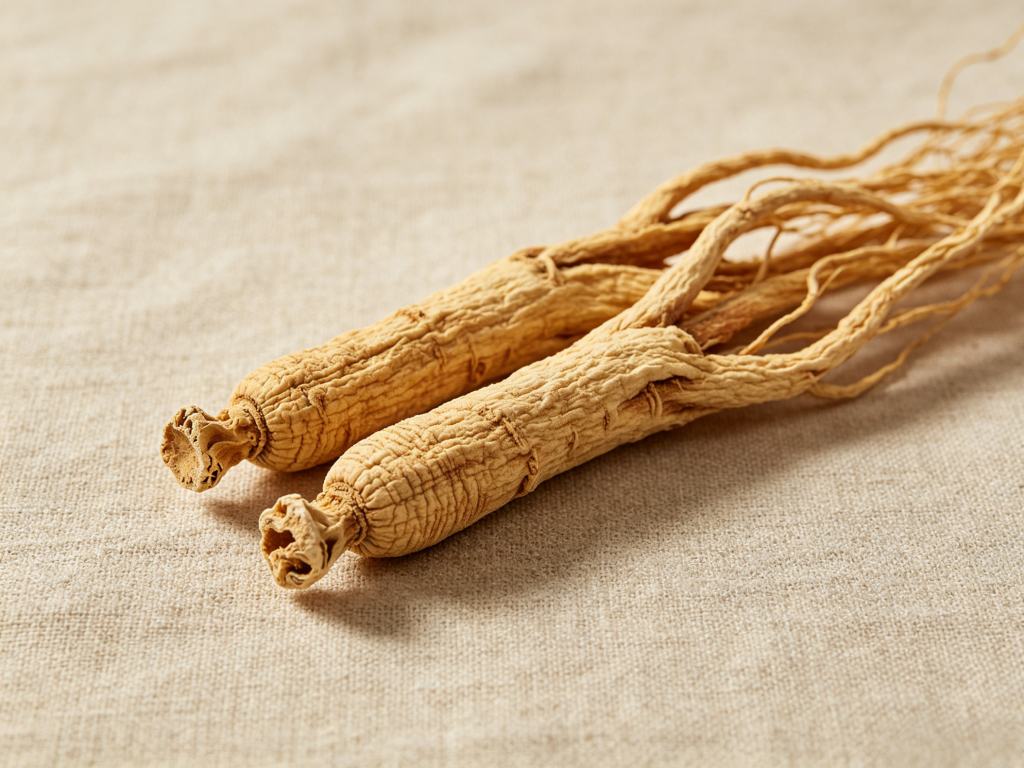
1. The Botanical and Therapeutic Profile of Panax quinquefolius
Unlike its Asian counterpart (Panax ginseng), which is known for its “warming” or stimulating properties, American Ginseng is prized in Traditional Chinese Medicine (TCM) and modern herbalism for its “cooling” effect.
Chemical Composition: The Role of Ginsenosides
The primary bioactive compounds in ginseng are saponins known as ginsenosides. American ginseng specifically contains a unique ratio of Rb1 to Rg1, which contributes to its adaptogenic properties—helping the body manage stress without the jitters associated with caffeine or other stimulants.
Key Health Benefits Driving Wholesale Demand:
- Cognitive Support: Studies suggest it enhances memory and mental clarity.
- Immune Modulation: Regular intake is linked to a strengthened immune response.
- Blood Sugar Regulation: Research published in journals like the Journal of Ethnopharmacology highlights its potential in improving glycemic control.
2. Why “Organic” Certification is Non-Negotiable
When purchasing bulk organic American ginseng root for wholesale, the “organic” label is more than just a marketing buzzword; it is a critical quality indicator.
Pesticide and Heavy Metal Control
Ginseng is a slow-growing perennial, often staying in the ground for 4 to 10 years. During this time, conventionally grown roots are susceptible to absorbing soil contaminants and pesticides used to prevent fungal infections.
- USDA Organic Certification ensures that the roots are grown without synthetic fertilizers or prohibited pesticides.
- Soil Quality: Organic farming practices focus on regenerative soil health, which directly correlates to the nutrient density of the root.
3. Global Market Trends and the 2026 Outlook
The wholesale market for American ginseng has stabilized after the supply chain disruptions of previous years. However, new trends are emerging:
The Rise of “Wild-Simulated” Organic Roots
While purely “Wild” ginseng is heavily regulated by CITES (Convention on International Trade in Endangered Species of Wild Fauna and Flora), “wild-simulated” ginseng—where seeds are planted in natural forest environments but managed organically—is gaining traction in the wholesale sector for its high ginsenoside content.
Geographic Demand
While North America remains a significant consumer, the export market to Asia (specifically China, Hong Kong, and Taiwan) continues to dominate the wholesale landscape. Western Europe is also seeing a 15% year-over-year increase in demand for organic ginseng extracts and powders.
4. How to Evaluate Bulk Ginseng Quality
For a wholesale buyer, visual inspection and laboratory testing are the two pillars of quality assurance.
Physical Characteristics
- Age: Look for distinct “rings” on the root neck. Roots aged 5 years or older are generally considered the gold standard.
- Density: A high-quality root should feel heavy for its size, indicating a rich concentration of starches and ginsenosides.
- Color: Premium organic roots should have a creamy white to light brown exterior without dark “pitting” or mold spots.
Technical Specifications (COA)
Always request a Certificate of Analysis (COA). This document should verify:
- Ginsenoside Content: Typically 4% to 7% for high-grade roots.
- Moisture Content: Should be below 10% to prevent microbial growth during shipping.
- Microbial Limits: Testing for E. coli, Salmonella, and yeast/mold.
5. Sourcing Strategy: Choosing the Right Wholesale Partner
Buying in bulk requires a partner that understands both the agricultural and regulatory sides of the business.
Key Questions for Suppliers:
- Do you provide CITES permits for international shipping?
- Is your organic certification verifiable through the Integrity Database?
- Can you provide sliced, powdered, or whole-root formats depending on our manufacturing needs?
6. Sustainable Harvesting and Ethics
The long growth cycle of ginseng makes it vulnerable to overharvesting. Ethical wholesale suppliers prioritize:
- Legal Compliance: Ensuring all roots are harvested in accordance with state and federal laws (e.g., in Wisconsin or Ontario).
- Replanting Initiatives: Contributing to the long-term viability of the species.
7. Useful Resources and External Links
To further your research into the efficacy and regulation of American Ginseng, consult these authoritative sources:
- NIH Office of Dietary Supplements: For clinical perspectives on Ginseng health benefits.
- American Herbal Products Association (AHPA): For industry standards on Ginseng labeling and safety.
- CITES Official Website: To understand international trade regulations for threatened plant species.
- USDA National Organic Program: To verify organic compliance standards.
8. Conclusion: The Value of Transparency
Investing in bulk organic American ginseng root for wholesale is an investment in consumer trust. By focusing on certified organic sources, verifying ginsenoside potency, and ensuring sustainable harvesting practices, your business can capitalize on the growing “clean label” movement.
Whether you are formulating a new longevity supplement, an adaptogenic tea blend, or a traditional herbal remedy, the quality of your base ingredient—the American ginseng root—will define the success of your product in a competitive 2026 marketplace.