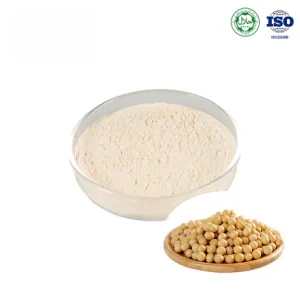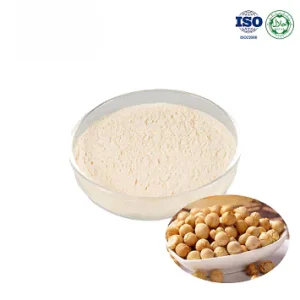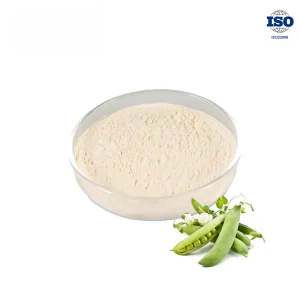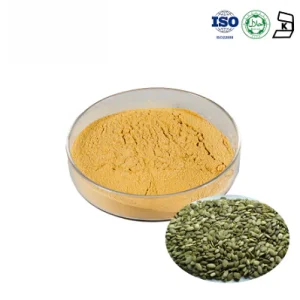
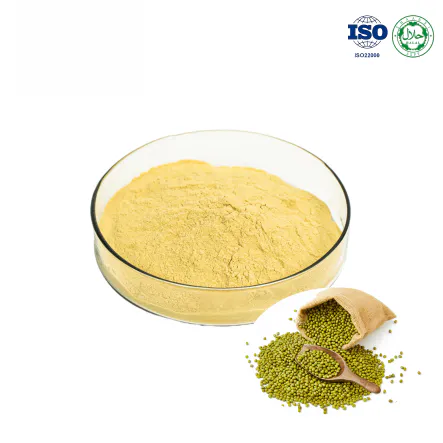
Mung Bean Protein (Vigna radiata)
The Gold Standard for Hypoallergenic, Kidney-Friendly Plant Protein
1. Botanical Origin and “Cooling” Heritage
Mung Bean Protein is derived from the seeds of Vigna radiata, a legume native to the Indian subcontinent and widely cultivated throughout East Asia. For over 2,000 years, mung beans have been a cornerstone of traditional wellness, categorized as a “cooling” food capable of clearing internal heat and neutralizing toxins.
Selection & Cultivation: Our mung beans are sourced from non-GMO, sustainable farms in regions with optimal loamy soil and consistent rainfall. The seeds are harvested at peak nutritional maturity to ensure a high yield of storage proteins (globulins and albumins). Unlike other legumes, the mung bean possesses a robust defense system against environmental stressors, which translates into a resilient and bioactive protein profile for human consumption.
2. Advanced Specification: The 80% Purity Benchmark
Our Mung Bean Protein is a high-concentration isolate (80% Protein) processed through low-temperature physical extraction. This ensures that the delicate molecular bonds are not denatured, preserving the “living” quality of the nutrients.
2.1 The Amino Acid Profile
Mung bean protein is particularly rich in Leucine, Phenylalanine, and Lysine. While many plant proteins are limited by their amino acid scores, the mung bean offers a highly balanced profile that mirrors the human body’s requirements for tissue repair and enzyme production.
2.2 Superior Solubility and Mouthfeel
One of the primary hurdles in plant protein adoption is the “gritty” texture. Our High-Tech Milling Technology reduces particle size to a sub-micron level, achieving:
-
Instant Dispersion: Rapidly dissolves in liquids under 60°C without clumping.
-
Neutral Flavor: Unlike the “beany” aftertaste associated with soy or pea, our mung bean protein maintains a clean, refreshing profile that complements both sweet and savory formulations.
For more on the nutritional chemistry of pulses, visit the Global Pulse Confederation.
3. Core Functions: Beyond Basic Nutrition
3.1 Targeted Kidney Protection (Renal Guardian)
The most significant differentiator of mung bean protein is its positive impact on renal health.
-
Azotemia Prevention: Mung beans contain natural trypsin inhibitors. By modulating protein decomposition rates, the extract reduces the accumulation of nitrogenous waste in the blood, thereby lowering the filtration burden on the kidneys.
-
Immune Repair: The bioactive peptides found in Vigna radiata help repair damaged kidney tissues and enhance the localized immune response of the renal system.
3.2 Metabolic and Blood Sugar Regulation
Mung bean protein has a significantly lower glycemic response than cereal-based proteins.
-
Insulin Sensitivity: High-quality plant protein assists in stabilizing post-meal glucose spikes.
-
Weight Management: Its high satiety index makes it an ideal tool for those practicing caloric restriction or managing metabolic syndrome.
3.3 Muscle Synthesis and Bone Health
By promoting Calcium Absorption, this protein powder does double duty: it provides the nitrogen required for myofibril (muscle) repair while ensuring the skeletal system remains dense and strong.
Scientific Insight: Research into the antihypertensive and antioxidant properties of mung bean peptides can be found on ScienceDirect.
4. Why Choose Our Mung Bean Protein?
In a market crowded with soy and whey, our Mung Bean Protein (80%) offers a specialized alternative:
-
Hypoallergenic & Safe: It is naturally gluten-free, soy-free, and dairy-free. It is the perfect solution for consumers with “leaky gut” or multiple food sensitivities.
-
Triple Certified: Our production line adheres to ISO22000, Kosher, and Halal standards, making it eligible for global distribution.
-
Low-Temperature Processing: We avoid high-heat spray drying, which can destroy the “Natural Detoxification” enzymes inherent in the mung bean.
-
Eco-Friendly: Mung beans have a low water footprint and improve soil fertility through nitrogen fixation, aligning with modern ESG (Environmental, Social, and Governance) goals.
5. Application Scenarios & Global Trends
The “Clean Label” Food Industry
-
Vegan Egg Alternatives: Mung bean protein is the functional backbone of the world’s most successful plant-based egg products due to its unique coagulation properties when heated.
-
Sports Nutrition: An excellent base for “Clean Lean” protein shakes targeted at athletes who find whey too bloating.
Clinical & Geriatric Nutrition
-
Elderly Care: Its easy-to-digest nature and kidney-friendly profile make it the preferred protein source for seniors with declining digestive and renal functions.
-
Detox Blends: Often used as a base for holistic “Body Cleansing” powders.
Market Forecast: To understand the growth of the mung bean protein market, refer to current reports by Grand View Research.
6. Usage & Storage Guidelines
For optimal results, we recommend a daily intake of 15-20g.
-
Pro-Tip: Blend into a morning smoothie with banana and almond milk for a nutrient-dense, refreshing start to the day.
-
Storage: Keep in a cool, dry place. Our stabilized formula ensures a 2-year shelf life without the need for artificial preservatives.