
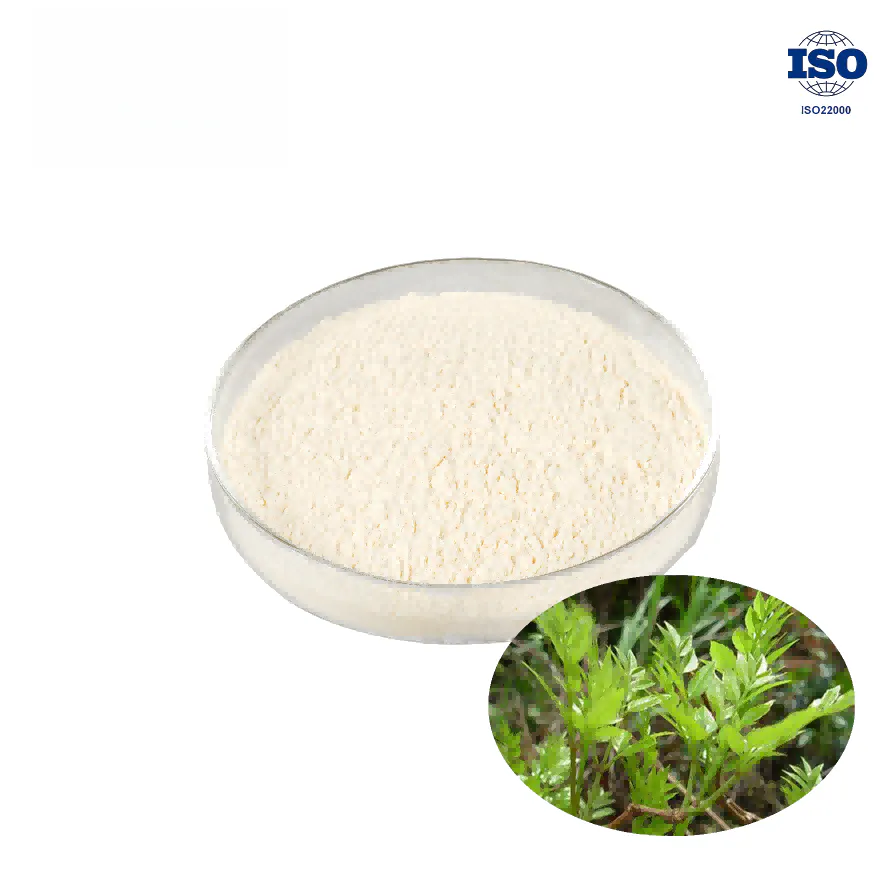
Dihydromyricetin 90% Supplier for B2B Formulation
HERBSEA supplies bulk Dihydromyricetin 90% powder for supplement, powder blend, beverage, functional food and private-label formulation projects. B2B buyers can use this page to review Vine Tea source, DHM assay direction, HPLC method, appearance, particle size, COA, sample behavior, packaging, MOQ and quotation requirements before selecting a commercial grade.
If your project is still comparing tea-origin and botanical extract options, start with the Instant Tea Powder Supplier category and the Plant Extract Supplier hub, then compare Dihydromyricetin 90% with Hovenia dulcis extract and other specification-led botanical powders.
Dihydromyricetin 90% Sourcing Summary
| Buyer question | Practical sourcing answer |
|---|---|
| What is this page for? | A B2B supplier page for Dihydromyricetin 90% powder used in supplement, powder blend, beverage and private-label projects. |
| What should buyers check first? | Botanical source, DHM percentage, HPLC assay method, color, particle size, COA, sample lot, MOQ, packaging and lead time. |
| When is 90% useful? | DHM 90% can fit projects that need a defined high-purity marker while still reviewing cost, handling, color and formula compatibility. |
| When should buyers ask about 98%? | DHM 98% may be reviewed when the formula brief requires a higher marker direction or a narrower specification target. |
| What RFQ details help? | Application, target DHM percentage, assay method requirement, sample request, estimated order volume, destination market, packaging size and required documents. |
Technical Specification Review
| Product name | Dihydromyricetin 90% |
| Botanical source | Ampelopsis grossedentata, commonly reviewed as Vine Tea source material |
| Specification direction | Dihydromyricetin 90%; 98% option may be discussed by project |
| Assay method | HPLC, subject to agreed specification and batch documentation |
| Appearance | White to light yellow powder, subject to grade and lot |
| Application direction | Capsules, tablets, powder blends, drink powders, gummies and functional food formulation projects |
| Quality review | Appearance, assay, particle size, moisture, ash, microbiology, heavy metals and other project-specific tests where needed |
| Document support | COA, specification sheet, flow chart, allergen statement, packaging information and quality questionnaire support on request |
Dihydromyricetin 90% vs 98% Buyer Review
| Review point | DHM 90% | DHM 98% |
|---|---|---|
| Marker direction | High-purity DHM grade for commercial formulation review | Higher marker direction for projects with a tighter specification target |
| Quotation comparison | Often reviewed for balance of specification, handling and commercial cost | Often reviewed when purity target is the main decision point |
| Sample testing | Check color, flow, particle size, taste impact and formula compatibility | Check the same handling points plus assay documentation alignment |
| Document check | Confirm COA, HPLC method and representative lot data | Confirm COA, HPLC method and tighter marker acceptance range |
Sample Testing Checklist
- Capsules and tablets: review particle size, color impact, flow, blend uniformity, excipient compatibility and production handling.
- Powder blends and stick packs: test dispersion, dust, caking tendency, taste impact, carrier compatibility and packing behavior.
- Beverage or functional food concepts: check color, sediment, taste direction, acid or sweetener compatibility and storage observation.
- Private-label projects: confirm sample lot, specification sheet, COA, packaging size, label panel needs and destination-market document list.
Related Botanical Extract Options
For adjacent sourcing decisions, compare Hovenia Dulcis Extract, Green Tea Extract L-Theanine HPLC, EGCG 98%, tea extract powder supplier options and bulk plant extract supplier options.
Dihydromyricetin 90% FAQ for B2B Buyers
Ask about Vine Tea source, DHM percentage, HPLC assay method, COA, sample lot, particle size, color, MOQ, lead time, packing size and export document support.
The COA should identify the product name, batch number, DHM assay result, method reference, appearance and other quality items agreed in the specification.
The choice depends on the target marker direction, formula format, handling requirements, price review and documentation needs. Buyers should test samples from the grade intended for bulk quotation.
Include the finished-product format, target DHM percentage, assay method requirement, sample request, estimated order volume, destination market, packaging preference and required documents such as COA, specification sheet and flow chart.
Request Dihydromyricetin 90% Samples and COA
Share the target application, DHM percentage, assay method requirement, sample quantity, estimated order volume, destination market, packaging preference and required document list. HERBSEA will confirm specification fit, sample support, COA package, MOQ and lead time.
Contact HERBSEA to request Dihydromyricetin 90% specifications, COA, samples and quotation details.
Supplier Decision Notes for Dihydromyricetin 90%
This product page should help a buyer move from general interest to a clear RFQ. Before asking for pricing, confirm the target specification, intended application, sample quantity, document requirements and shipment destination. HERBSEA can then respond with a practical sourcing route instead of a generic product name match.
| Decision point | What to verify |
|---|---|
| Specification fit | Review solubility target, tea solids, taste profile, color, caffeine direction, carrier status and process temperature against the purchasing brief. |
| Application fit | Confirm whether the material is intended for RTD tea, iced tea, milk tea, instant drink powder, foodservice and dry mix projects. |
| Sample review | Test appearance, odor, color, solubility, particle size, flowability and formula compatibility before purchase approval. |
| Documentation | Check COA, specification sheet, available test data, packing details, shelf-life note and export document support. |
| Commercial readiness | Confirm MOQ, lead time, packaging, shipment terms, reorder plan and communication process with the supplier. |
How to Compare Supplier Replies
Send the same technical brief to each shortlisted supplier and compare replies in one sheet. Useful fields include available grade, assay method, sample timing, COA completeness, packing format, MOQ, lead time, export document support and whether the supplier can keep future batches aligned with the approved sample. This makes the decision easier for procurement, R&D and quality teams.
- Keep the approved sample code, batch number and COA in the purchasing file.
- Record internal sample feedback before requesting a commercial quotation.
- Confirm whether the same grade can support repeat orders or scale-up planning.
- Ask about packing, pallet information and shipment documents before order release.
Next Step for RFQ Preparation
For related ingredients, review the Instant Tea Powder category. To request samples, COA or quotation support, use the HERBSEA contact page and include the product name, target specification, application format, estimated order quantity, destination country and document checklist. Clear RFQ details help the team match the right material and avoid unnecessary back-and-forth.
If the exact specification is not finalized, share the finished-product concept and any constraints such as solubility, taste, color, carrier preference, organic status, packing size or launch timeline. HERBSEA can review available options and suggest a sample direction for the buyer to evaluate internally.
Before releasing a purchase order, align the approved sample with the commercial batch record. The buyer can reference sample feedback, COA values, packing format, label details and shipment notes in the purchasing file. This reduces confusion during reorder communication and gives the supplier a clearer basis for maintaining consistency across future batches.