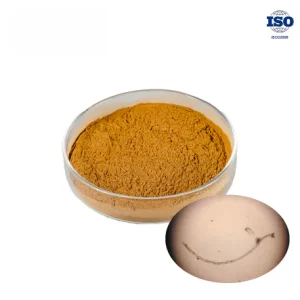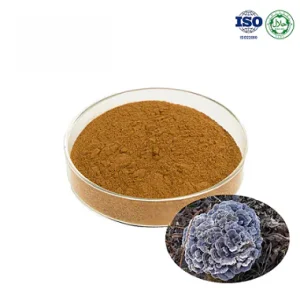
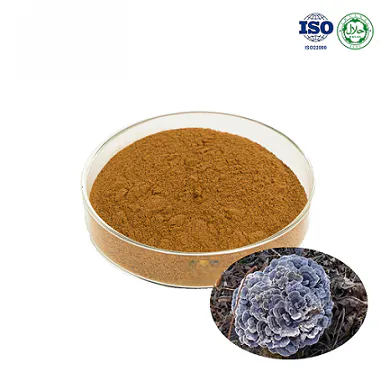
Polystictus Glycopeptide
Product Code: N/A
Specification: Saccharide≥35%;Peptide≥20%
Extract Source: Coriolus Versicolor (Turkey Tail Mushroom)
Botanical Part Used: Fruiting Body
Extract Solvent: Ethanol/Water
Assay Method: HPLC; Enterprise Method
Character: Brown To Dark Brown
Certification: ISO22000
HS Code: 1302199099
Shelf Life: 2 Years
Introduction Of Polystictus Glycopeptide
Function Of Polystictus Glycopeptide
-
Enhance Reticuloendothelial System (RES) Function
Polystictus Glycopeptide (Yunzhi extract intracellular glycopeptide) can enhance the function of the reticuloendothelial system (RES) by boosting the proliferation of monocytes and activating the intrinsic phagocytic function of various phagocytes, strengthening the body’s innate immune defense line.
-
Protect Liver & Improve Hepatitis B Symptoms
Polystictus Glycopeptide can significantly inhibit the elevation of SGPT levels, reduce the rate of hepatocyte steatosis compared with the control group, and completely avoid the occurrence of focal liver necrosis. Clinical observations have confirmed that this ingredient has excellent efficacy in the adjuvant treatment of hepatitis B: it can reduce the titer of HBsAg or make it turn negative, decrease the level of immune complexes (CIC), restore the phagocytic function of the liver in patients with severe hepatitis, clear endotoxemia, and ultimately reduce the mortality rate of severe hepatitis.
-
Adjuvant Anti-cancer Efficacy
As a high-value Turkey Tail Mushroom extract, Polystictus Glycopeptide can be combined with anti-cancer drugs to enhance the efficacy of chemotherapy or targeted therapy. In addition, it can effectively inhibit tumor angiogenesis and the growth of transplanted breast cancer by reducing the level of transforming growth factor TGF-β1, exerting a dual anti-tumor effect of inhibiting tumor growth and metastasis.
-
Anti-infection & Anti-shock
Polystictus Glycopeptide can strongly activate the body’s own defense immune system, exerting secondary non-specific anti-infection and anti-shock effects. It can significantly reduce the mortality rate caused by infections with common pathogenic bacteria such as Staphylococcus aureus, Escherichia coli and Bacillus dysenteriae.