Rutin 95% UV / NF11
Chemical Formula: C₂₇H₃₀O₁₆
Molecular Weight: 610.518
CAS No.: 153-18-4
EINECS: 205-814-1
Flash Point: 325.4℃
Melting Point: 195℃
Product Standard: U.S. Pharmacopoeia NF11
Content Specification: ≥95%
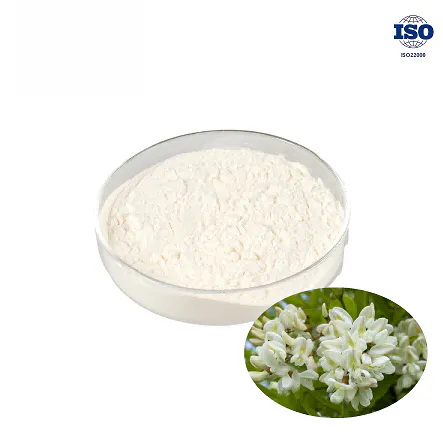
Physical Character: White or off-white crystalline powder, odorless
Introduction Of Rutin 95% UV / NF11
Rutin is a naturally occurring bioflavonoid (also known as plant pigment) that is widely distributed in common foods and medicinal plants. It is a key component that endows plants with natural colors ranging from yellow to yellow-green. For humans and animals, rutin has important application value in anti-inflammatory treatments and repairing weakened blood vessels.
The natural sources of this bioflavonoid are abundant, including buckwheat, oranges, apples, St. John’s wort, elderflower, rue, ginkgo biloba, eucalyptus and hawthorn. Although it is not theoretically classified as a vitamin, rutin and other flavonoids are often referred to as vitamin P or citrulline due to their similar beneficial effects on the body.
Our Rutin 95% UV / NF11 strictly complies with the U.S. Pharmacopoeia NF11 standard, with a rutin content of more than 95%. The finished product is a white or off-white crystalline powder with no odor, featuring excellent solubility—easily soluble in water, ethanol and dimethyl methacrylate, and insoluble in ether, which makes it adaptable to a variety of production and application systems.
Function Of Rutin 95% UV / NF11
The research and application of rutin are closely related to its core function of strengthening blood vessels. It is widely used in the prevention and treatment of vascular-related diseases such as hypertensive cerebral hemorrhage, diabetic retinal hemorrhage and hemorrhagic purpura. In addition, it also serves as a high-quality food antioxidant and natural pigment, playing a dual role in preservation and coloring in the food industry.
Notably, rutin is the main raw material for synthesizing Troxerutin—a classic cardiovascular and cerebrovascular drug that can effectively inhibit platelet aggregation and prevent thrombosis.
In clinical and daily health care scenarios, rutin can be used to treat conditions such as hemorrhoids and general internal bleeding. For healthy people, it can act as a preventive agent to reduce the risk of hemorrhagic strokes caused by cerebral blood stasis and vascular rupture.
Rutin also has significant anti-inflammatory properties. It can be combined with specific medications to assist in the treatment of arthritis such as osteoarthritis. Early trials have further found that rutin may have a preventive effect on certain types of cancer, and can alleviate inflammation caused by cancer treatments, expanding its application potential in the field of adjuvant cancer therapy.