1. Introduction
Kaempferia parviflora (KP), commonly known as Black Ginger or Thai Ginseng, is a medicinal plant in the Zingiberaceae family. For centuries, it has been used in Southeast Asian traditional medicine as a tonic for enhancing vitality and treating various ailments.
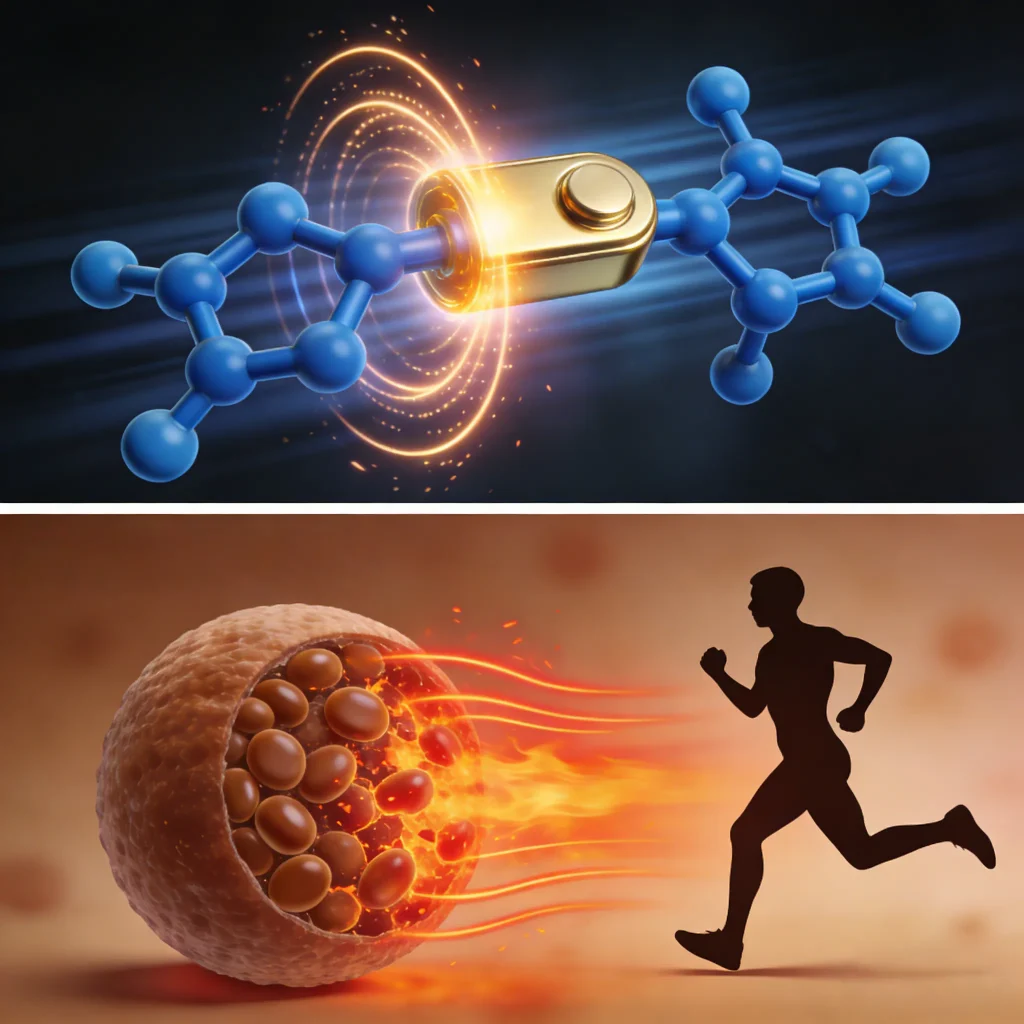
The primary bioactive constituents of KP are polymethoxyflavones (PMFs), specifically 5,7-dimethoxyflavone (DMF) and 5,7,4′-trimethoxyflavone. Recent pharmacological research has identified these compounds as potent regulators of cellular energy metabolism, primarily through the activation of the AMP-activated protein kinase (AMPK) pathway and the enhancement of nitric oxide (NO) production.
2. Ergogenic Effects: Physical Performance and Muscle Physiology
Black Ginger has gained significant attention in sports nutrition for its ability to improve endurance and muscle strength without the stimulatory side effects of caffeine.
2.1 Human Clinical Evidence
A landmark double-blind, placebo-controlled study investigated the effects of KP extract on physical fitness in 45 elderly participants.
- Methodology: 25 mg or 90 mg of KP extract daily for 8 weeks.
- Key Findings: Participants showed significant improvements in the 30-second chair stand test (lower limb strength) and the 6-minute walk test (aerobic endurance).
- Data Insight: The 90 mg group showed a 15% increase in grip strength compared to the placebo group (p < 0.05).
2.2 Animal and Mechanistic Data
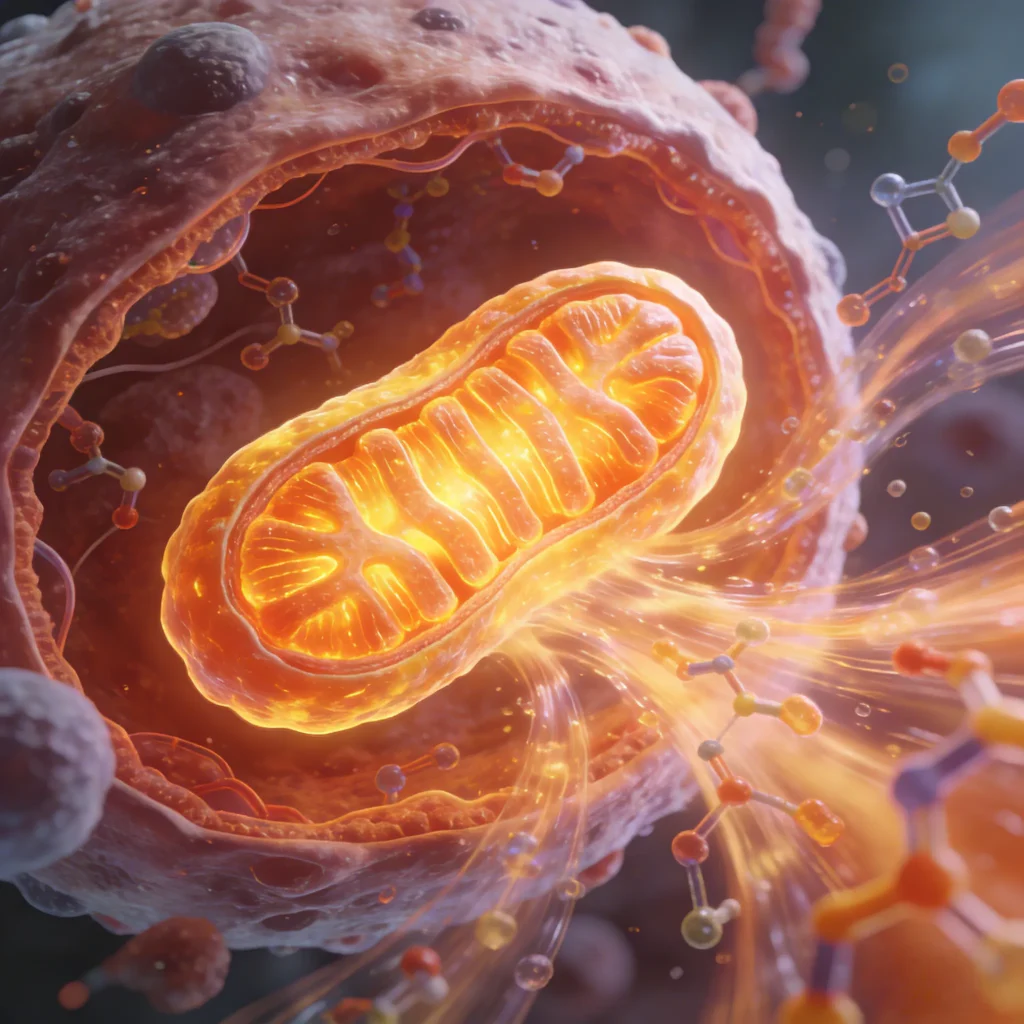
In murine models, KP administration has been shown to increase the expression of PGC-1α (Peroxisome proliferator-activated receptor-gamma coactivator 1-alpha), the master regulator of mitochondrial biogenesis.
- Mitochondrial Function: PMFs enhance mitochondrial density in skeletal muscle, allowing for more efficient ATP production.
- Glycogen Sparing: Animal studies indicate that KP promotes fatty acid oxidation, sparing muscle glycogen during prolonged exercise, which delays the onset of fatigue.
3. Cardiovascular Health and Blood Circulation
The circulatory benefits of Black Ginger are primarily attributed to its vasodilatory properties, mediated by the activation of the Nitric Oxide (NO) pathway.
3.1 Vasodilation and Endothelial Function
PMFs stimulate the enzyme Endothelial Nitric Oxide Synthase (eNOS). Increased NO levels relax the smooth muscles of blood vessels, leading to improved blood flow.
- Clinical Observation: A study involving healthy males demonstrated that a single dose of 100 mg of KP extract significantly improved peripheral blood flow within 60 minutes, measured via laser Doppler flowmetry.
- Erectile Health: Due to its PDE5 inhibitory activity (mild) and NO-enhancing effects, KP is frequently studied for its role in supporting male sexual health and microcirculation.
3.2 Key Data Summary: Circulatory Markers
| Marker | Effect of KP Extract | Mechanism |
| Nitric Oxide (NO) | Increase (+20-30%) | eNOS Activation |
| Peripheral Blood Flow | Significant Improvement | Vasodilation |
| Blood Pressure | Modest Reduction | Reduction in systemic vascular resistance |
4. Metabolic Health and Weight Management
KP extract is a potent “metabolic activator.” Its role in managing obesity and metabolic syndrome is one of the most robust areas of current research.
4.1 Activation of Brown Adipose Tissue (BAT)
Unlike white fat, which stores energy, brown fat burns energy to produce heat (thermogenesis).
- Human Study: Clinical research on 13 healthy individuals showed that a single dose of KP extract (containing 12 mg of PMFs) increased Whole-Body Energy Expenditure (EE) by activating BAT.
- Mechanism: PMFs upregulate UCP1 (Uncoupling Protein 1) in mitochondria, which “uncouples” the respiratory chain, leading to calorie burning as heat rather than ATP storage.
4.2 Glucose and Lipid Metabolism
- Insulin Sensitivity: In diabetic rat models, KP extract significantly reduced plasma glucose and triglyceride levels.
- Adipogenesis: In vitro studies show that KP inhibits the differentiation of pre-adipocytes into mature fat cells by downregulating PPAR-gamma.
5. Standardized Dosage and Safety Profile
Based on clinical literature, the following dosage ranges are established:
- General Vitality/Metabolism: 100–150 mg of standardized extract (min. 2.5% PMFs) per day.
- Sports Performance: 150–250 mg per day.
Safety: Clinical trials up to 12 weeks have reported no significant adverse effects on hepatic or renal function. KP does not significantly alter heart rate, making it a “cold” energy booster compared to stimulants.
6. Summary of Bioactive Mechanisms
The multi-targeted approach of Black Ginger can be summarized as follows:
1.AMPK Activation: The “metabolic master switch” that stimulates glucose uptake and fatty acid oxidation.
2.PDE Inhibition: Increases cyclic GMP (cGMP) levels, aiding in muscle relaxation and blood flow.
3.Antioxidant Activity: Reduces oxidative stress in muscle tissue post-exercise.
7. References (Abridged)
1.Wattanathorn, J., et al. (2012). “Positive Modulation of Kaempferia parviflora on Physical Performance.” Journal of Ethnopharmacology.
2.Toda, K., et al. (2016). “Black Ginger Extract Increases Energy Expenditure via Activation of Brown Adipose Tissue in Humans.” Heliyon.
3.Saokaew, S., et al. (2017). “Clinical Efficacy and Safety of Kaempferia parviflora: A Systematic Review.” Evidence-Based Complementary and Alternative Medicine.
4.Kim, M. B., et al. (2018). “Polymethoxyflavones from Kaempferia parviflora Attenuate Obesity-Induced Metabolic Disorders.” Journal of Medicinal Food.
5.Promthep, K., et al. (2015). “Effect of Kaempferia parviflora on Physical Performance of Soccer Players.” Journal of the Medical Association of Thailand.
Conclusion
Kaempferia parviflora represents a unique botanical intervention that bridges the gap between metabolic health and physical performance. By enhancing mitochondrial biogenesis and improving circulatory efficiency, it serves as a valuable tool for aging populations seeking vitality and athletes aiming for natural ergogenic support.