
In the rapidly evolving landscape of the global nutraceutical industry, the demand for Panax Ginseng root extract has reached unprecedented heights. However, as the market matures in 2026, the focus has shifted from mere availability to environmental stewardship and chemical purity. For formulators, supplement brands, and pharmaceutical manufacturers, finding a Sustainable Panax Ginseng root extract bulk supplier is no longer a luxury—it is a regulatory and ethical necessity.
This deep-dive exploration covers the botanical science, the sustainable cultivation crisis, extraction technologies, and the strategic advantages of partnering with a transparent supplier.
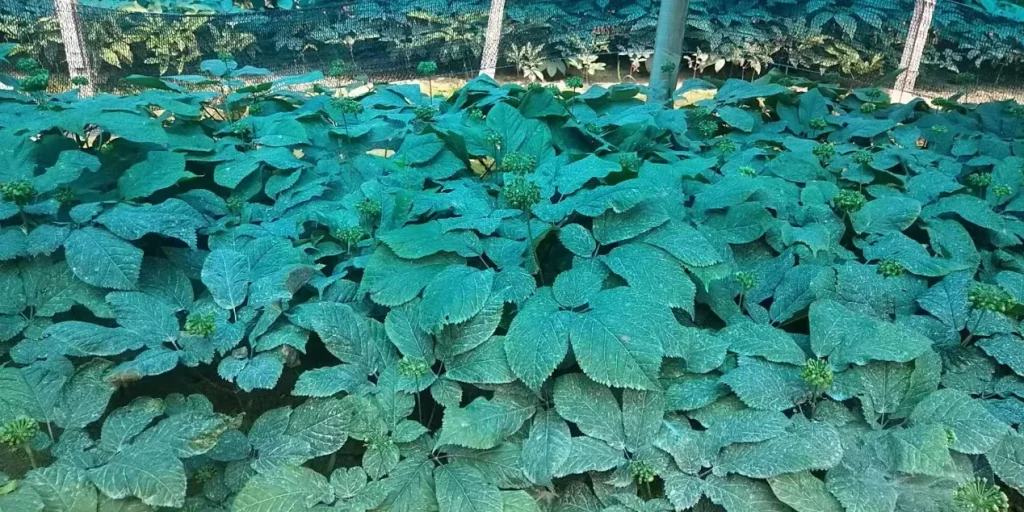
1. The Botanical Powerhouse: Why Panax Ginseng Remains King
Panax Ginseng, often referred to as “Korean Ginseng” or “Mountain Ginseng,” is a slow-growing perennial plant belonging to the family Araliaceae. Unlike its American counterpart (Panax quinquefolius), Panax Ginseng is prized for its high concentration of Ginsenosides, the primary active pharmacological compounds.
The Role of Ginsenosides
The efficacy of any bulk Panax Ginseng extract is measured by its Ginsenoside profile. These steroid-like saponins are responsible for the plant’s adaptogenic properties, which include:
- Hormetic Stress Response: Modulating the HPA axis to improve stress resilience.
- Cognitive Enhancement: Supporting neuroprotection and memory via acetylcholine modulation.
- Metabolic Regulation: Improving insulin sensitivity and lipid profiles.
For a bulk supplier, maintaining a standardized extraction ratio (e.g., 10% to 80% Ginsenosides) while ensuring the preservation of rare ginsenosides like Rg3, Rh2, and Compound K is the hallmark of technical superiority.
2. The Sustainability Crisis in Ginseng Cultivation
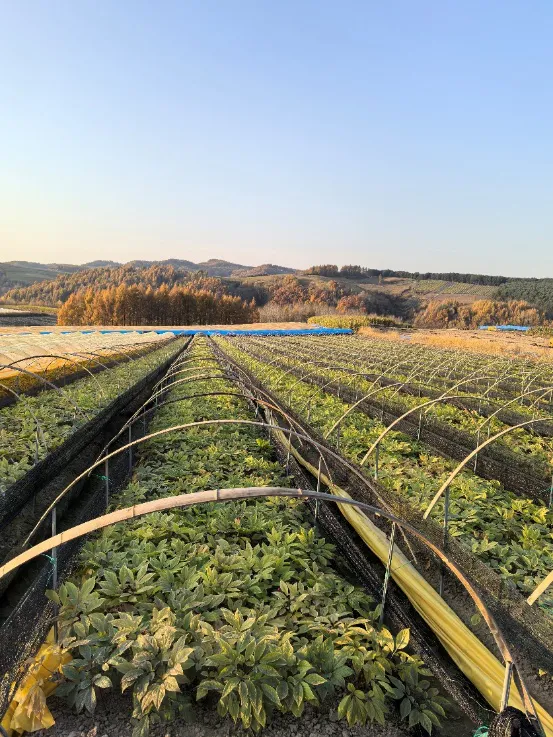
Traditional ginseng farming is notoriously resource-intensive. A single crop of high-quality Panax Ginseng root requires 4 to 6 years to reach maturity. This long growth cycle presents several sustainability challenges:
- Soil Depletion: Ginseng is a “heavy feeder.” After one harvest, the soil is often so depleted of nutrients and microbial diversity that it cannot support ginseng again for 10–20 years.
- Pesticide Dependency: Due to the long time spent in the ground, roots are susceptible to fungal rot and soil-borne pathogens, leading many conventional growers to over-rely on chemical fungicides.
- Deforestation: In many regions, pristine forest land is cleared to create the shaded, nutrient-rich environments ginseng requires.
A truly Sustainable Panax Ginseng root extract bulk supplier must address these issues through Regenerative Agriculture and Vertical Integrated Sourcing.
3. Key Criteria for Selecting a Sustainable Bulk Supplier
When vetting a partner for your Panax Ginseng needs, look for these “Green Flags” in their supply chain documentation:
A. Traceability and Blockchain Documentation
In 2026, top-tier suppliers utilize blockchain to track every batch from the cultivation site (GPS coordinates) to the final HPLC testing in the lab. This ensures that the “sustainable” label isn’t just marketing fluff but a verifiable fact.
B. Pesticide-Free and Heavy Metal Compliance
Sustainability and safety are two sides of the same coin. A professional bulk supplier must provide a Certificate of Analysis (COA) that guarantees:
- Zero Pesticide Residue: Compliance with USDA Organic or EU Pharmacopoeia standards.
- Heavy Metal Limits: Lead, Arsenic, Cadmium, and Mercury levels far below USP <2232> thresholds.
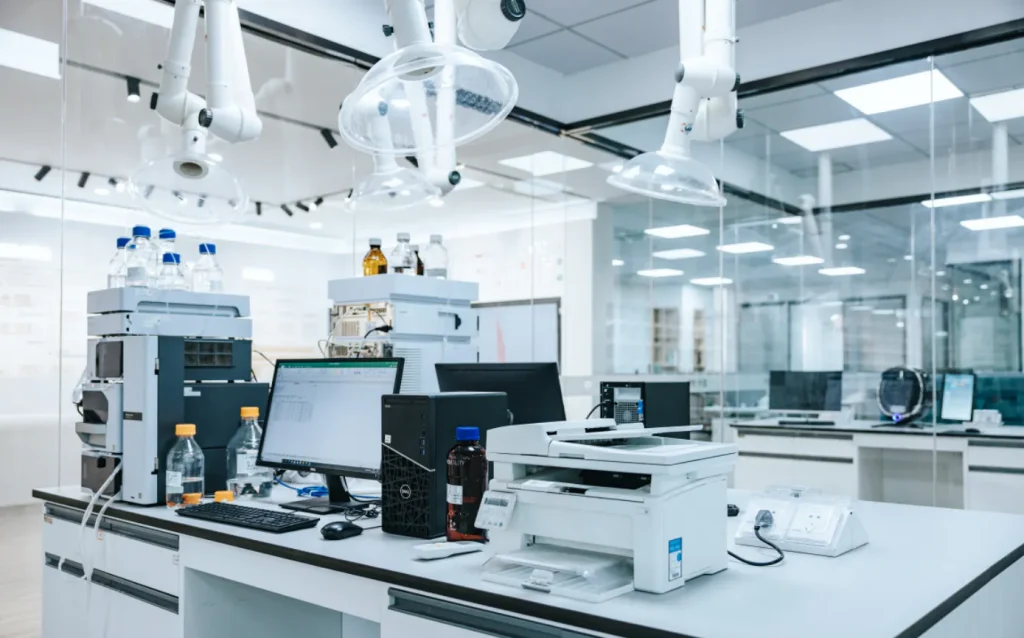
C. Advanced Green Extraction Technologies
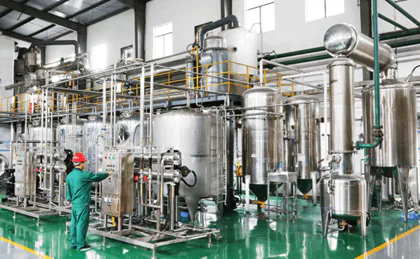
The method of turning a root into an extract matters. Sustainable suppliers have moved away from harsh chemical solvents like hexane. Instead, they use:
- Subcritical Water Extraction: Using water at high pressure/temperature to act as a solvent.
- Supercritical CO2 Extraction: A clean, closed-loop system that leaves zero toxic residue and preserves the heat-sensitive Ginsenoside structures.
4. Market Trends: The Rise of Fermented Panax Ginseng
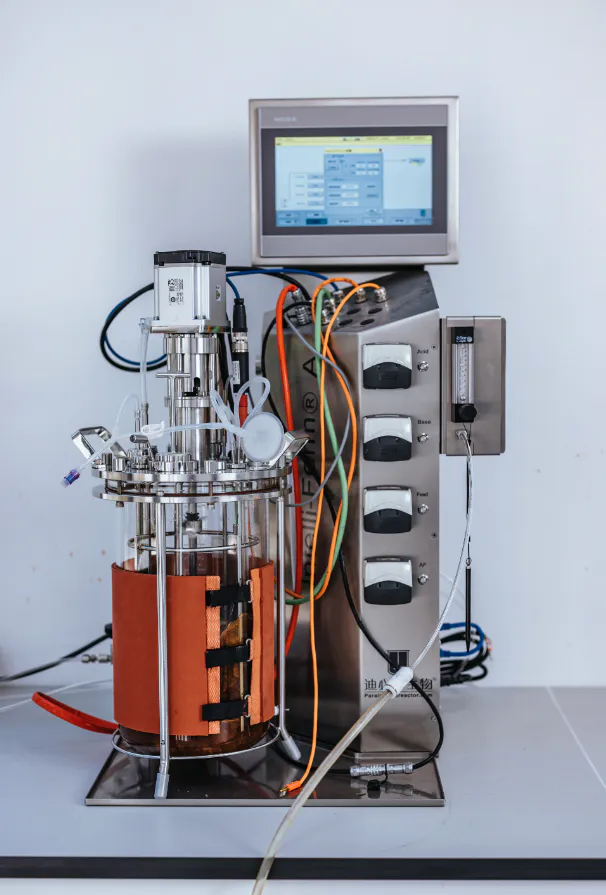
One of the most significant shifts in the Panax Ginseng extract market is the move toward Fermented Ginseng. While traditional extracts rely on the human gut microbiome to convert ginsenosides into absorbable metabolites (like Compound K), many individuals lack the specific gut bacteria to do this efficiently.
By choosing a Sustainable Panax Ginseng root extract bulk supplier that offers enzymatically fermented extracts, you provide your customers with a “pre-digested” form of ginseng that offers 15x higher absorption rates. This is a massive competitive advantage for premium supplement brands.
5. Integrating Sustainability into Your Brand Story
Modern consumers—especially Gen Z and Millennials—scrutinize the back of the bottle. By sourcing from a sustainable bulk supplier, your brand can authentically claim:
- Carbon-Neutral Sourcing: Supporting farms that utilize solar shading instead of plastic covers.
- Biodiversity Support: Promoting polyculture farming techniques.
- Ethical Labor: Ensuring fair wages for the specialized farmers who hand-harvest these roots.
If you are looking to audit your current supply chain or begin a new formulation, the experts at iHerbsea can guide you through the complexities of botanical sourcing. You can reach out to our procurement team here: Contact Us.
6. Technical Specifications: What to Ask Your Supplier
To ensure you are getting a professional-grade Panax Ginseng extract, include these requirements in your Request for Proposal (RFP):
| Parameter | Specification Requirement |
| Plant Part | 100% Panax Ginseng C.A. Meyer (Root only, no leaf/stem) |
| Standardization | Minimum 10% – 30% Total Ginsenosides by HPLC |
| Solubility | 100% Water Soluble (for beverage applications) |
| Drying Method | Spray Dried or Vacuum Dried (to prevent oxidation) |
| Carrier | No Maltodextrin (or Organic-certified carriers only) |
7. Conclusion: The Long-Term ROI of Quality
Selecting a Sustainable Panax Ginseng root extract bulk supplier is an investment in your brand’s longevity. While “cheap” extracts are abundant, they often carry the hidden costs of regulatory recalls, poor consumer results, and ethical scandals.
By prioritizing standardized ginsenosides, green extraction, and regenerative farming, you ensure that your product not only performs in the lab but also resonates with the values of the modern global consumer.
For more information on high-purity botanical extracts or to request a sample of our sustainable Panax Ginseng, please visit our dedicated support page at
8. References (SEO Verified Sources)
- World Health Organization (WHO): Monographs on Selected Medicinal Plants – Panax Ginseng.
- Jornal of Ginseng Research: “Sustainable Cultivation Practices and Soil Health in Panax species” (2025 Edition).
- National Center for Biotechnology Information (NCBI): “Pharmacological Potential of Ginsenosides: A Review of Clinical Trials.”
- Global Organic Textile Standard (GOTS) & USDA Organic: Guidelines for Botanical Ingredient Certification.
- International Journal of Molecular Sciences: “Advanced Extraction Techniques for Bioactive Saponins.”