
Berberine Hydrochloride: A Natural Metabolic Regulator Backed by Modern Science
Berberine hydrochloride (Berberine HCl) is one of the most extensively studied botanical alkaloids for metabolic health. Used for centuries in traditional herbal systems and now validated by modern clinical research, it is widely recognized for supporting healthy blood glucose, lipid metabolism, gut balance, and weight management.
As consumers increasingly prioritize clean-label and non-GMO ingredients, high-purity Berberine HCl has become a core ingredient in advanced metabolic formulations.
1. What Is Berberine HCl?
Berberine is a natural isoquinoline alkaloid found in the roots and bark of several plants, including:
- Berberis aristata
- Coptis chinensis
The hydrochloride (HCl) form is the industry standard because it offers:
- Higher stability
- Higher alkaloid concentration per gram
- Consistent manufacturing quality
Why Non-GMO Sourcing Matters
Non-GMO certification ensures:
- Preservation of natural phytochemical profiles
- Stronger consumer trust in clean-label products
2. Mechanisms of Action: Why Berberine Works
Berberine’s broad health benefits stem from its multi-target mechanisms.
A. AMPK Activation – The “Metabolic Master Switch”
Berberine activates AMP-activated protein kinase (AMPK), a key cellular energy regulator.
When AMPK is activated:
- ↑ Glucose uptake into cells
- ↑ Fat oxidation
- ↓ Hepatic glucose production
- ↑ Mitochondrial biogenesis
- ↓ Lipogenesis
This mechanism explains why berberine is often compared to metformin in metabolic research.
B. Stimulation of Intestinal L-Cells → Increased GLP-1
One of berberine’s most important modern discoveries is its ability to influence intestinal endocrine signaling.
Berberine:
- Stimulates intestinal L-cells in the ileum and colon
- Increases expression and secretion of GLP-1 (Glucagon-Like Peptide-1)
- Enhances postprandial insulin response
- Delays gastric emptying
- Improves satiety signaling
Clinical Implications:
- Better blood glucose control
- Reduced appetite and caloric intake
- Improved insulin sensitivity
- Support for weight management programs
This GLP-1 modulation makes berberine highly relevant in modern metabolic and weight-support formulations.
C. Lipid Metabolism & Cardiovascular Support
Berberine regulates lipid metabolism through multiple pathways:
- ↑ LDL receptor (LDLR) expression in the liver
- ↓ Total cholesterol
- ↓ LDL-C
- ↓ Triglycerides
- Mild ↑ HDL-C
- ↓ Hepatic lipogenesis
Unlike statins, which primarily block cholesterol synthesis, berberine enhances LDL clearance from circulation, making it complementary in lipid management strategies.
D. Gut Microbiome Modulation
Berberine also acts locally in the gut:
- Suppresses harmful bacterial overgrowth
- Promotes beneficial strains such as Akkermansia muciniphila
- Improves intestinal barrier integrity
- Reduces metabolic endotoxemia
A healthier microbiome contributes to:
- Improved insulin sensitivity
- Reduced inflammation
- Better body composition outcomes
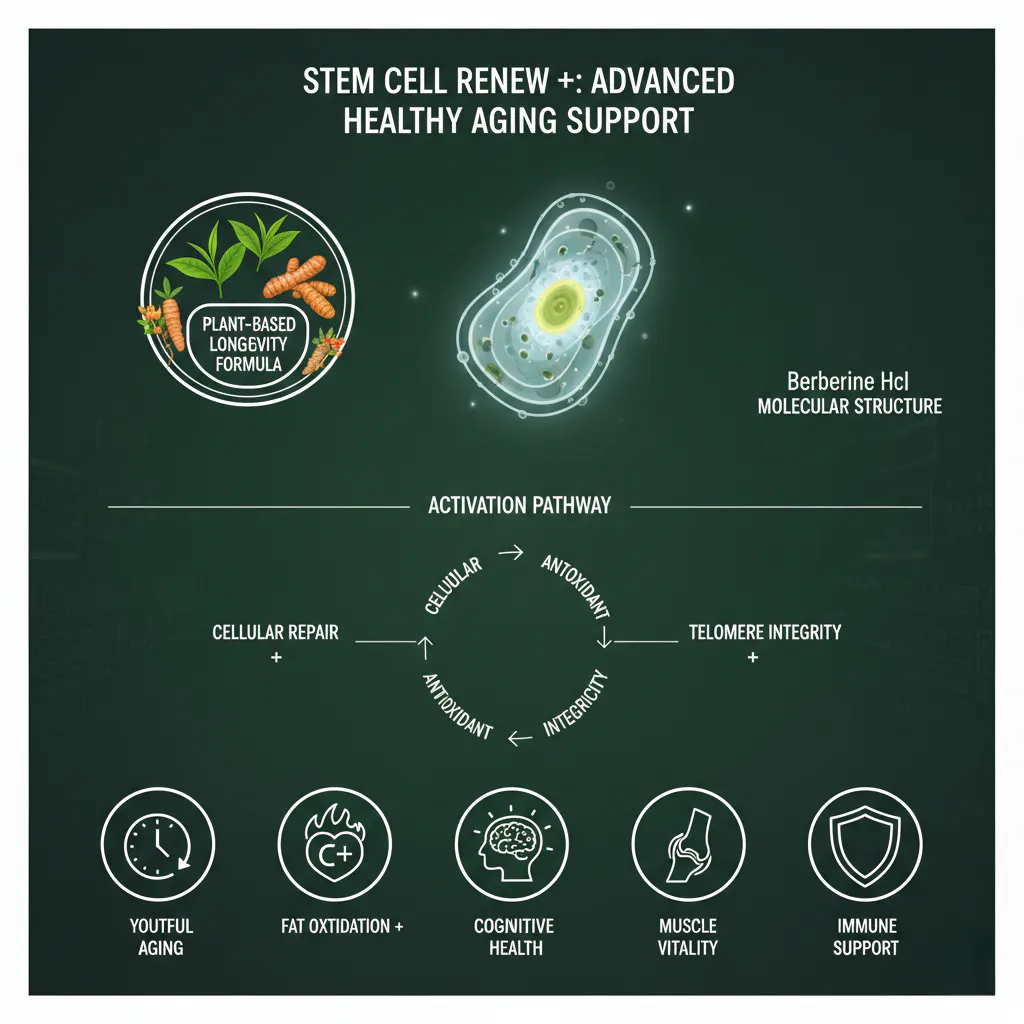
3. Core Health Benefits at a Glance
Berberine HCl supports:
✔ Healthy blood glucose levels
✔ Improved insulin sensitivity
✔ GLP-1 upregulation and appetite control
✔ Reduction in LDL and triglycerides
✔ Enhanced fat metabolism
✔ Support for weight management
✔ Gut microbiome balance
4. Advanced Application & Synergistic Formulation Strategies
For professional supplement development, berberine performs exceptionally well in combination formulas.
1️⃣ Berberine + Black Ginger Extract(Kaempferia galanga / Kaempferia parviflora extract)
Black ginger supports:
- AMPK activation
- Increased energy expenditure
- Enhanced mitochondrial function
- Improved physical performance
Synergy:
Berberine improves glucose handling, while black ginger enhances metabolic rate and fat oxidation → ideal for body composition and metabolic energy formulas.
2️⃣ Berberine + EGCG
EGCG provides:
- Thermogenic support
- Fat oxidation enhancement
- Antioxidant protection
- Improved lipid metabolism
Synergy:
Berberine regulates glucose and GLP-1; EGCG increases energy expenditure and protects mitochondria → comprehensive metabolic support.
3️⃣ Berberine + Chili Pepper Extract
(standardized capsaicinoids)
Capsaicinoids support:
- Thermogenesis
- Increased calorie expenditure
- Appetite modulation
- Enhanced fat oxidation
Synergy:
Berberine improves metabolic signaling; capsaicin enhances energy expenditure → effective weight-management combination.
5. Why Choose High-Purity Powder?
For manufacturers and formulators:
- 97%+ HPLC-tested purity
- No fillers or excipients
- Flexible dosing
- Cost-efficient bulk application
- Suitable for capsules, tablets, sachets, and functional beverages
6. Dosage & Safety
Typical Clinical Dose:
500 mg, 2–3 times daily before meals
(1,000–1,500 mg/day total)
Formulation Tips:
- Split dosing improves tolerance
- Combine with meals for GI comfort
- Lipid carriers (e.g., MCT) may modestly enhance absorption
Possible Early Effects:
- Mild GI discomfort during first 5–7 days
- Temporary changes in bowel habits
Berberine is generally well tolerated when used appropriately.
7. Manufacturing Standards and Quality Control
When sourcing Berberine HCl, “cheap” often comes at the cost of “pure.” High-quality Non-GMO extracts must pass the following tests:
1.HPLC (High-Performance Liquid Chromatography): Verifies the actual alkaloid content.
2.Heavy Metal Screening: Ensures zero contamination from lead, arsenic, or mercury (often found in low-grade soil).
3.Microbial Analysis: Guarantees the product is free from E. coli, Salmonella, and yeast/molds.
8. Conclusion: The Future of Metabolic Wellness
As we move toward a future of personalized nutrition, Berberine HCl Non-GMO stands as a cornerstone of preventive health. By choosing non-GMO, high-purity salts, consumers ensure they are supporting their biology with the best nature has to offer.
Whether you are looking to manage blood sugar, optimize your heart health, or improve your body composition, Berberine HCl provides a scientifically-backed, plant-derived solution.
References
1.Yin, J., Xing, H., & Ye, J. (2008). “Efficacy of Berberine in Patients with Type 2 Diabetes Mellitus.” Metabolism: Clinical and Experimental.
2.Kong, W., et al. (2004). “Berberine is a novel cholesterol-lowering drug working through a unique mechanism distinct from statins.” Nature Medicine.
3.Zhang, X., et al. (2012). “Anti-diabetic effects of Berberine and its influence on gut microbiota.” Journal of Ethnopharmacology.
4.Lan, J., et al. (2015). “Meta-analysis of the effect and safety of Berberine in the treatment of type 2 diabetes mellitus, hyperlipemia and hypertension.” Journal of Ethnopharmacology.