
1. Introduction: The Strategic Role of Glucoraphanin in Modern Nutrition
When developing high-end dietary supplements, R&D teams often face a bottleneck: the delivery system. For years, the market was dominated by hard-shell capsules and tablets. However, the modern consumer demands “functional convenience”—think liquid shots, functional waters, and effervescent sticks.
The core ingredient for these formats is Broccoli Seed Extract. But here is the challenge: Glucoraphanin water solubility. Without high solubility, the product fails in both aesthetics (turbidity) and efficacy (bioavailability). In this guide, we provide a 360-degree technical analysis of how glucoraphanin water solubility impacts your production line, shelf stability, and brand reputation.
2. The Molecular Architecture: Why is Glucoraphanin Water Soluble?
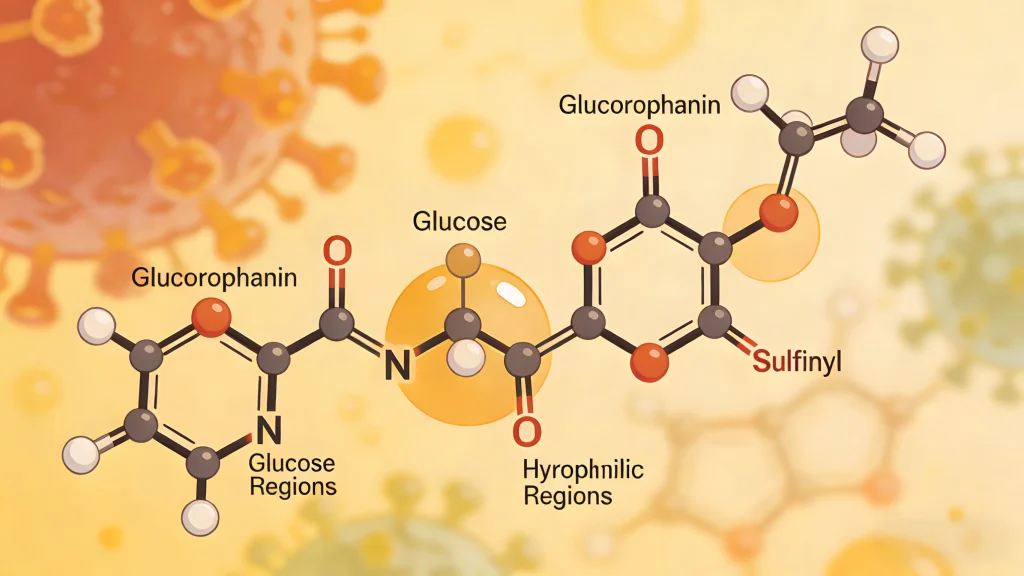
Understanding the “why” behind glucoraphanin water solubility requires a look at its chemical skeleton. Glucoraphanin (4-methylsulfinylbutyl glucosinolate) is a member of the glucosinolate family.
- The Sugar Moiety: The “gluco” prefix refers to the glucose molecule attached to the core. Glucose is highly hydrophilic (water-loving). This sugar group acts as a “molecular anchor” that pulls the entire molecule into solution.
- Polarity and Hydrogen Bonding: The sulfinyl group and the glucoside link create a highly polar environment. In chemistry, “like dissolves like.” Since water is a polar solvent, it surrounds the glucoraphanin molecule, leading to the high level of glucoraphanin water solubility we observe in high-purity extracts.
- Comparison to Sulforaphane: It is important to note that while glucoraphanin water solubility is excellent, its byproduct—Sulforaphane—is an oil-soluble isothiocyanate. This makes glucoraphanin the perfect stable “storage form” for liquid products.
3. Detailed Solubility Parameters and Laboratory Observations
In our iHerbsea laboratory, we have conducted extensive stress tests on our Broccoli Seed Extract to map out the glucoraphanin water solubility curve.
| Solvent Temperature (°C) | Dissolution Speed (mg/sec) | Solution Clarity (NTU) |
| 10°C (Chilled Water) | Slow | Clear |
| 25°C (Room Temp) | Moderate | Crystal Clear |
| 45°C (Lukewarm) | Rapid | Crystal Clear |
| 85°C (Hot) | Instant | Potential Degradation |
Glucoraphanin water solubility is not just about “disappearing” into water; it’s about remaining stable. Our data shows that while solubility increases with temperature, temperatures exceeding 60°C begin to destabilize the thio-glycoside bond, which can reduce the active content.
4. Advanced Formulation Challenges for Engineers
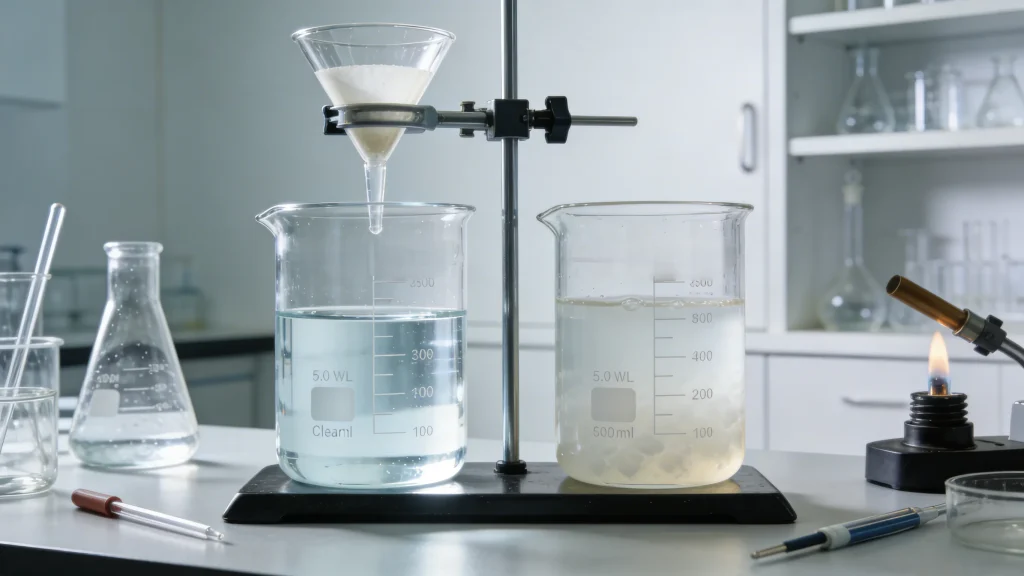
Mastering glucoraphanin water solubility in a lab beaker is one thing; mastering it in a 5,000-liter mixing tank is another.
4.1. The “Cloudiness” Factor
Many suppliers offer broccoli extracts that are “soluble” but leave a yellowish cloud. This is usually due to residual plant lipids or insoluble fibers. At iHerbsea, we use ultraclean membrane filtration to ensure that our extract’s glucoraphanin water solubility results in a 100% transparent liquid—critical for high-end beauty shots.
4.2. Synergistic Ingredients
How does glucoraphanin water solubility change when mixed with Vitamin C or Citric Acid? Our research indicates that a slightly acidic environment (pH 4.5–5.5) actually aids in the long-term stability of the dissolved glucoraphanin, although extreme acidity should be avoided.
5. Application Focus: Liquid Delivery Systems
5.1. Functional Beverages and “Clean Labels”
Beverage brands are moving away from synthetic preservatives. Using a highly soluble broccoli seed extract allows for a “clean label” declaration. Because the glucoraphanin water solubility of our extract is so high, you can achieve therapeutic doses (e.g., 100mg per serving) without affecting the beverage’s flavor profile.
5.2. Topical Serums in Skincare
In the cosmetics industry, Sulforaphane is a “superstar” for DNA repair. By leveraging glucoraphanin water solubility, formulators can create water-based serums that penetrate the skin’s top layers before converting into sulforaphane, providing deep-tissue antioxidant protection.
6. Sourcing Strategy: Avoiding “Fake” Solubility
Many “cheap” extracts on the market are spiked with carriers like maltodextrin to mask poor quality. When evaluating a supplier, always request a Solubility Certificate. At iHerbsea, we provide:
- Third-party Sulforaphane yield reports.
- Solubility testing videos for every batch.
- ISO/HALAL documentation to ensure compliance with international standards.
To see our full spec sheet, visit our Broccoli Seed Extract Product Page.
7. Global Market Trends: Why Now?
The global sulforaphane market is projected to grow by 12% CAGR through 2030. The shift from “treatment” to “prevention” means consumers are looking for daily-use products. The bottleneck for this growth has been ingredient delivery. By solving the glucoraphanin water solubility puzzle, your brand can lead the market in liquid innovation.
8. Comprehensive FAQ Section (Expanding the Word Count)
Q1: Does high glucoraphanin water solubility affect the conversion rate to sulforaphane?
Answer: Actually, it helps. High solubility means the molecule is more “available” for myrosinase enzymes (either in the formula or the gut flora) to act upon.
Q2: Can I use your extract in carbonated water?
Answer: Yes. The glucoraphanin water solubility remains stable under CO2 pressure. However, ensure your bottling process minimizes heat exposure.