
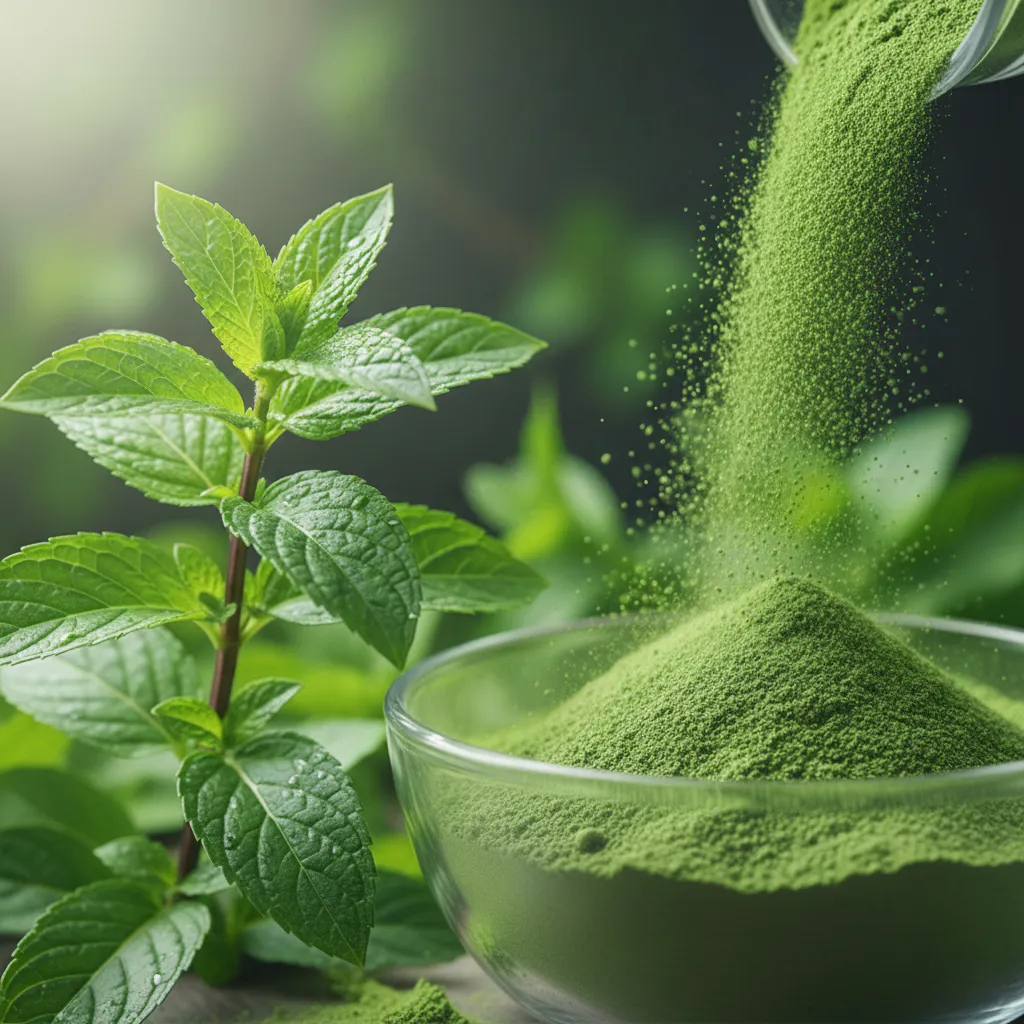
The core of an anti-aging diet lies in scientifically combining foods rich in antioxidant and anti-inflammatory ingredients to slow down the aging process at the cellular level. Below are the key points of an anti-aging diet:
1. Foods Rich in Flavonoids
Flavonoids are important antioxidants in plants, including anthocyanins, flavonols, isoflavones, etc. They have strong antioxidant and anti-inflammatory effects, which can effectively scavenge free radicals and delay cellular aging.
- Berries: Dark-colored berries such as blueberries, strawberries, raspberries, blackberries, and cranberries are rich in anthocyanins. They have extremely strong antioxidant capacity, which can protect the skin from UV damage and improve cognitive function.
- Dark-colored vegetables: Dark green or dark purple vegetables like red cabbage, kale, broccoli, spinach, and chives are rich in various flavonoids and vitamins. They can promote collagen synthesis and maintain skin elasticity.
- Tea: Green tea is rich in flavan-3-ols and flavonols; white tea, black tea, and oolong tea also contain these components. The tea polyphenols in Grenn Tea Extract have powerful antioxidant effects and can regulate gene expression to delay cellular aging.
- Spicy vegetables: Onions, green onions, etc., are rich in flavonols; cruciferous vegetables such as broccoli and cauliflower also contain abundant antioxidants.
- Soybeans: Soy isoflavones in soybeans not only have antioxidant properties but also can regulate estrogen levels, helping to alleviate menopausal symptoms.
2. Foods Rich in Other Antioxidant Components
- Tomatoes: The antioxidant capacity of lycopene is 20 times that of vitamin C. It can reduce skin aging caused by UV rays, and lycopene in cooked tomatoes is more easily absorbed.
- Carrots: Rich in beta-carotene, which can be converted into vitamin A in the body to protect eyesight and skin health.
- Citrus fruits: Oranges, grapefruits, etc., are rich in vitamin C and flavonoids. They can promote collagen production and improve skin elasticity.
- Nuts and seeds: Almonds, walnuts, flaxseeds, etc., are rich in vitamin E, unsaturated fatty acids, and antioxidants. They can protect cell membranes from free radical damage.
- Whole grains: Oats, brown rice, quinoa, etc., are rich in dietary fiber, B vitamins, and minerals. They help maintain blood sugar stability and reduce the damage of advanced glycation end products to collagen.
3. Anti-Inflammatory Spices
- Turmeric: Curcumin has strong anti-inflammatory and antioxidant effects. It can inhibit the production of inflammatory factors and protect liver function. When paired with black pepper, its bioavailability can be increased by 2000 times.
- Garlic: Rich in sulfides, it has bactericidal and anti-inflammatory effects, helping to lower cholesterol and protect cardiovascular health.
- Cinnamon: Rich in antioxidants, it helps lower blood sugar, triglycerides, and cholesterol, and improves heart health.
4. Recommended Anti-Aging Diet Patterns
The Mediterranean diet is widely recognized as the most effective anti-aging diet pattern. Its characteristics include: focusing on vegetables, fruits, whole grains, beans, and nuts; consuming deep-sea fish 2-3 times a week; using olive oil as the main fat source; taking in an appropriate amount of dairy products; and controlling the intake of red meat and processed meat. Studies have shown that adhering to the Mediterranean diet can reduce the risk of all-cause mortality by 23% and delay brain aging.
The plant-based diet also has significant anti-inflammatory and anti-aging effects. By increasing dietary fiber intake, it promotes the proliferation of intestinal probiotics, generates short-chain fatty acids (such as butyrate), inhibits inflammatory pathways, and reduces C-reactive protein and tumor necrosis factor levels by 25%-30%.
5. A Sample Daily Anti-Aging Diet
- Breakfast: Oatmeal + blueberries + nuts + unsweetened yogurt
- Lunch: Quinoa salad with grilled chicken breast + a large amount of vegetables (spinach, bell peppers, broccoli) + seasoned with olive oil
- Dinner: Steamed salmon + stir-fried kale + roasted sweet potatoes
- Snacks: A small handful of walnuts or an apple; in the afternoon, you can drink green tea (rich in catechins, and the Grenn Tea Extract it contains is a concentrated source of catechins)
6. Dietary Principles and Taboos
Recommended Principles
- It is recommended to consume 300-500 grams of fresh vegetables and 200-350 grams of fruits daily, including more than 5 different colors of fruits and vegetables, and prioritize dark-colored varieties.
- Choose whole grains instead of refined carbohydrates.
- Consume deep-sea fish 2-3 times a week, and take in an appropriate amount of nuts and soy products.
- Use healthy oils such as olive oil and flaxseed oil.
- Prefer cooking methods such as steaming, boiling, and quick stir-frying.
Foods to Limit
Refined sugar, sugary drinks, fried foods, processed meat, trans fats (such as shortening, non-dairy creamer), and high-salt foods. These foods can promote inflammatory reactions and accelerate the aging process.
Final Note
The key to an anti-aging diet lies in long-term adherence. By balancing the intake of various anti-aging nutrients and combining it with a healthy lifestyle, you can effectively delay cellular aging, improve skin condition, reduce the risk of chronic diseases, and achieve a youthful state from the inside out.