
Introduction
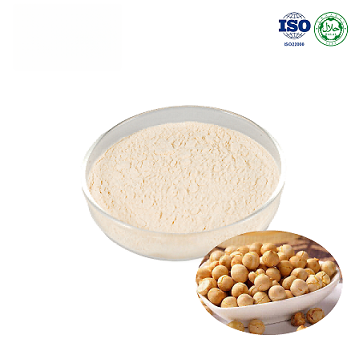
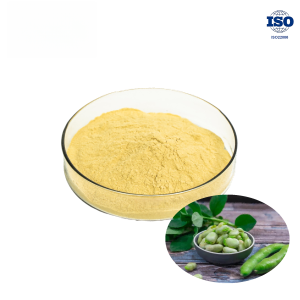
Chickpea is rich in nutrients, mainly including protein, polysaccharide, dietary fiber and fat, etc. . The sugar in chickpea mainly includes galactose, ribose, fructose, glucose, maltose and sucrose, etc. . It has anti-oxidation, anti-fatigue and regulation of cholesterol and other physiological activities The content of protein in chickpea is rich, about 12.6% ~ 30.5% , which is higher than many kinds of cereals such as walnut and oat, there are 18 species, mainly including leucine, L-Aspartic Acid and glutamic acid.
Function
1. Add nutrients: chickpeas are a highly nutritious bean food. When eaten in moderation, chickpeas are rich in plant protein and amino acids, vitamins and fiber, and micronutrient calcium, iron and magnesium are also the most important nutrients in chickpeas, they can be quickly absorbed and utilized by the human body, can promote the body’s metabolism, improve the function of the body organs.
2. High blood sugar can also prevent high blood pressure. It contains micronutrient potassium, which can promote sodium metabolism in the body, and it can regulate the secretion of adrenal hormones, it keeps people’s blood pressure stable. Chickpeas are also a particularly low-sugar legume that promotes insulin secretion and increases the body’s sugar tolerance, preventing high blood sugar levels and restoring them to normal levels
Application

评价
目前还没有评价